













Long before fast food chains and grocery delivery apps, the modern world was already changing what people ate and how they ate it. Railways connected distant farms to hungry city workers, factories made food cheaper and faster to produce, and crowded urban streets created a huge demand for quick, affordable meals.
Many of the foods we love today were shaped by these forces of industry and movement. You might be surprised to learn just how many everyday favorites got their big break from a steam engine or a factory floor.
1. The Hot Dog
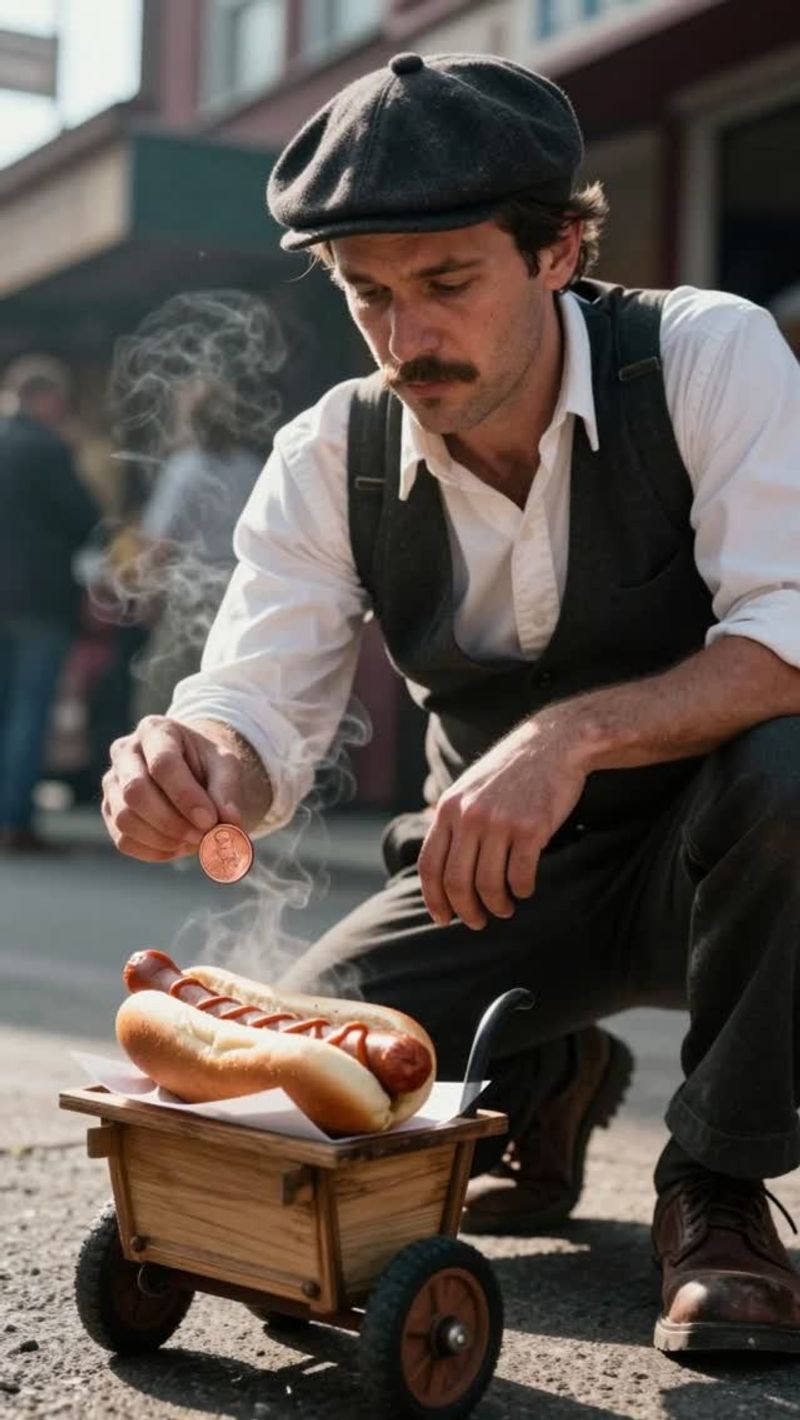
Street vendors near busy train stations needed something fast, cheap, and easy to eat while standing up. The hot dog was practically built for that job.
Sausages had been around for centuries, but it was the rise of city crowds and railway hubs that turned them into a street food sensation.
Factory production made sausage casings and processed meat affordable for everyday workers. By the time hot dogs appeared at the 1904 World's Fair, they were already a city staple.
2. Canned Sardines
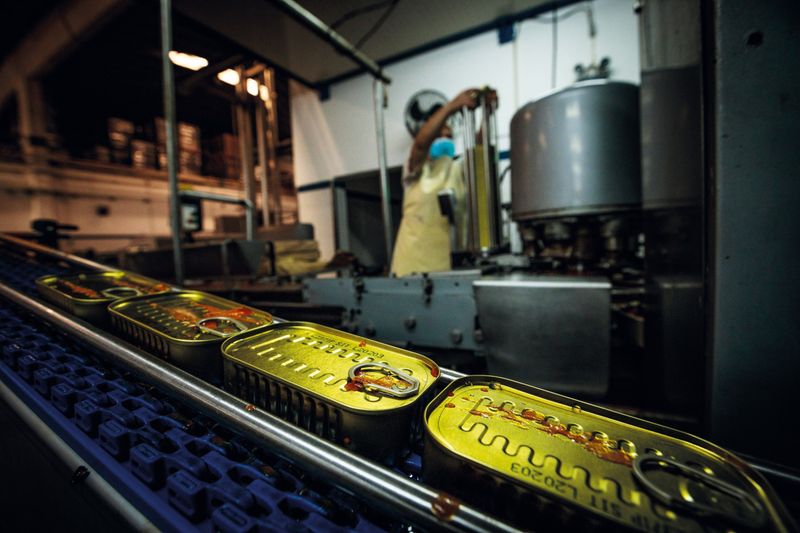
Canning technology changed everything for fish like sardines. Before factories, fresh fish spoiled fast and could only feed people who lived near the coast.
Canning made it possible to ship sardines by rail to landlocked cities across the country without losing freshness.
Factory workers and urban families loved sardines because they were cheap, filling, and required no cooking. A tin of sardines became a lunchbox regular for millions of working-class people throughout the late 1800s and early 1900s.
3. White Bread
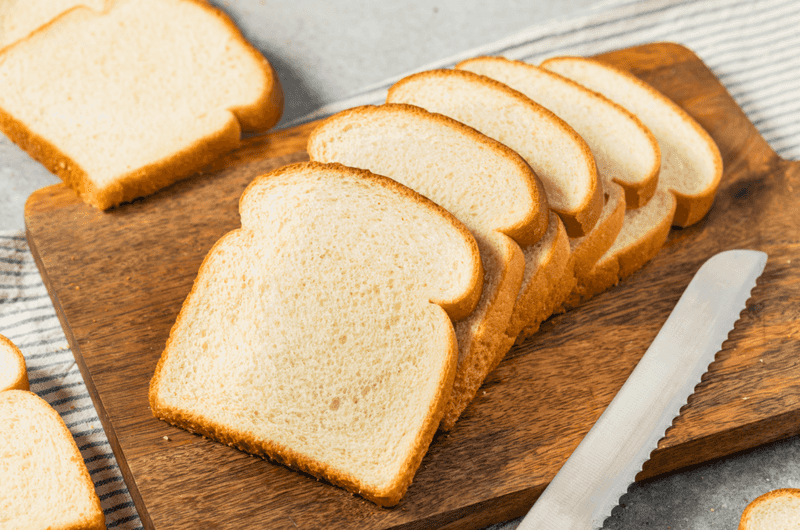
For most of human history, white bread was a luxury only the wealthy could afford. Industrial milling changed that completely.
Factories could strip grain down to fine white flour quickly and cheaply, making soft white bread available to almost everyone.
Railways then carried that bread to cities faster than local bakers ever could. The invention of the mechanical bread slicer in 1928 made factory-made white bread even more popular.
It became a symbol of modern convenience that working families everywhere embraced.
4. Baked Beans
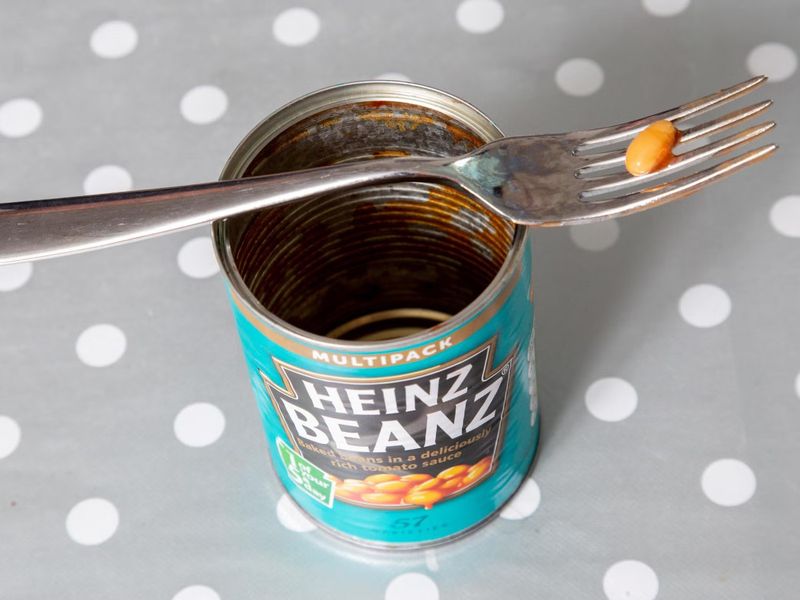
Baked beans might seem like a humble side dish, but they have a fascinating industrial backstory. H.J.
Heinz began canning baked beans in the 1890s, and railways helped ship them across Britain and America at a speed no one had seen before.
Factory workers needed hot, hearty meals that were ready fast. Baked beans straight from the can, heated on a simple stove, became one of the most practical meals in urban working-class households.
Their popularity skyrocketed almost entirely because of mass production.
5. Milk Chocolate
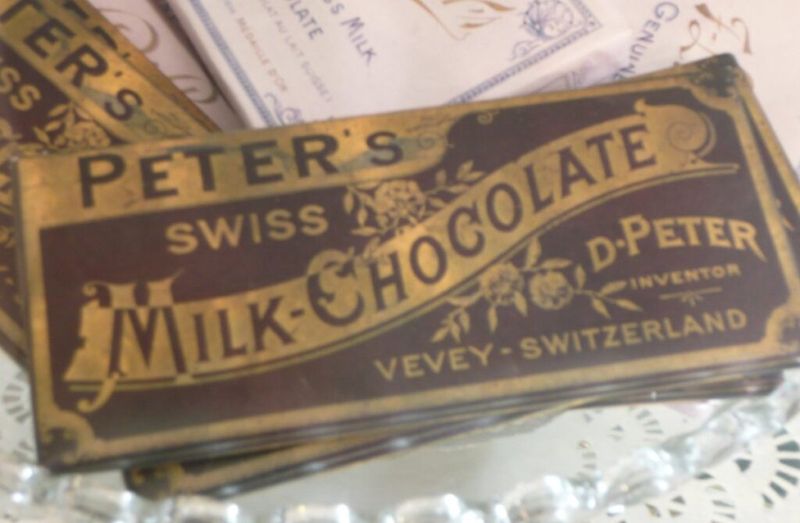
Before factories, chocolate was a bitter, expensive drink enjoyed only by the elite. The industrial revolution brought machines that could grind and mix cocoa with milk powder and sugar at massive scale.
Swiss and British factories led the way, and the result was smooth, sweet milk chocolate bars that regular people could actually afford.
Railways made distribution possible, carrying chocolate from factory towns to city shops. Cadbury and Nestle turned milk chocolate from a rare treat into an everyday indulgence that changed snacking habits forever.
6. Instant Oatmeal
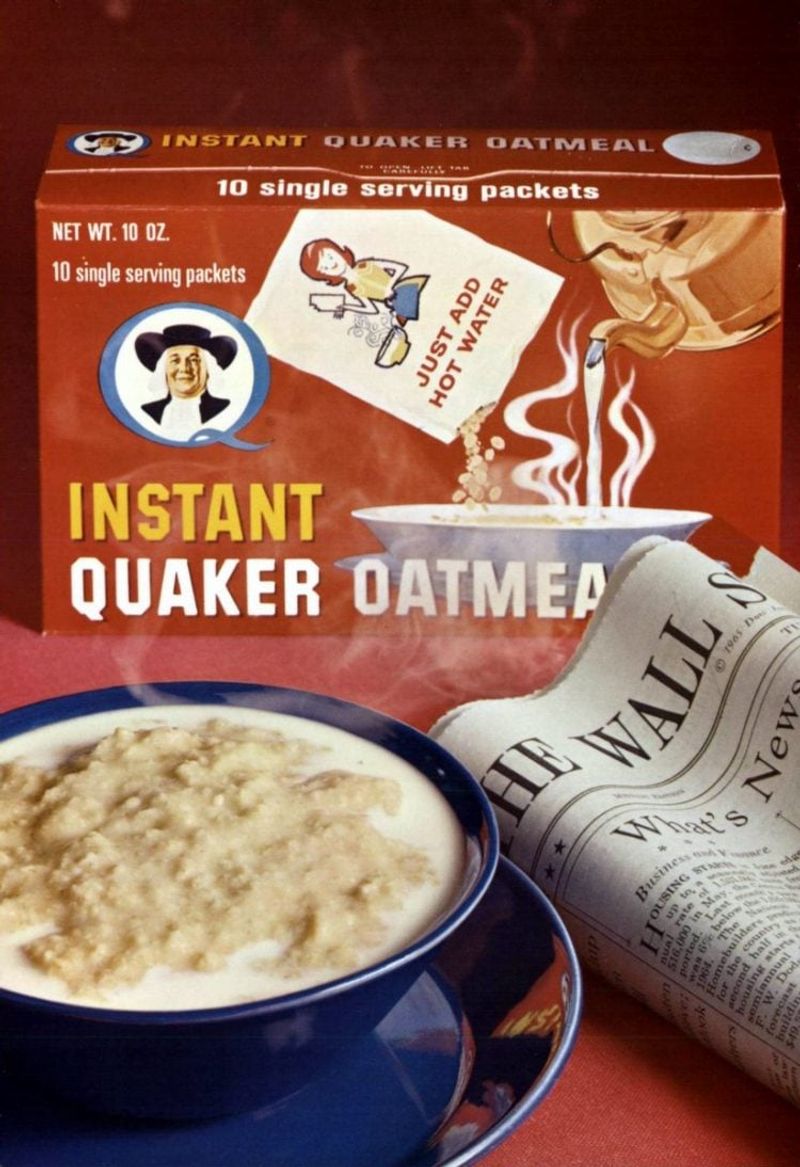
Oats have fed people for thousands of years, but rolled oats are a product of the industrial age. In 1877, the American Cereal Company began machine-rolling oats flat so they cooked in minutes instead of hours.
That single factory innovation made a hot breakfast possible for busy city workers with almost no time to spare.
Rail networks carried oat canisters across the country quickly. Families in crowded urban apartments could now start their day with something warm and filling, even on the tightest schedule.
7. Margarine
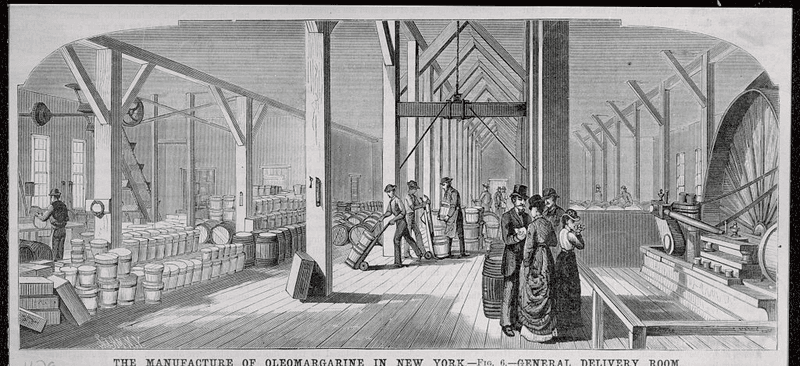
Butter was expensive, and city workers needed something cheaper to spread on their bread. Napoleon III of France actually sponsored a competition to find a butter substitute for the poor, and margarine was the answer.
By the late 1800s, factories were churning it out by the ton.
Railways distributed margarine to cities across Europe and North America at rock-bottom prices. For urban families living on tight wages, margarine made it possible to enjoy something close to butter without breaking the budget.
It reshaped how millions ate daily.
8. Cornflakes
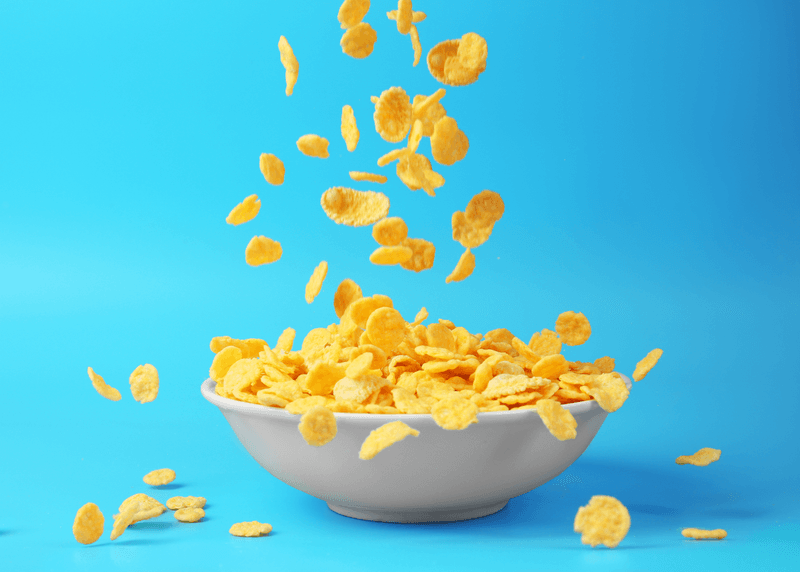
John Harvey Kellogg invented cornflakes in 1894, and the timing could not have been better. Cities were growing fast, and factory workers needed a breakfast that required zero cooking and almost no cleanup.
Cornflakes fit perfectly into the rushed morning routines of urban life.
Mass production kept prices low, and railways carried crates of cereal boxes to grocers in every city. What started as a health experiment in a Michigan sanitarium became one of the best-selling breakfast foods in the world, thanks largely to industrial-age city life.
9. Condensed Milk
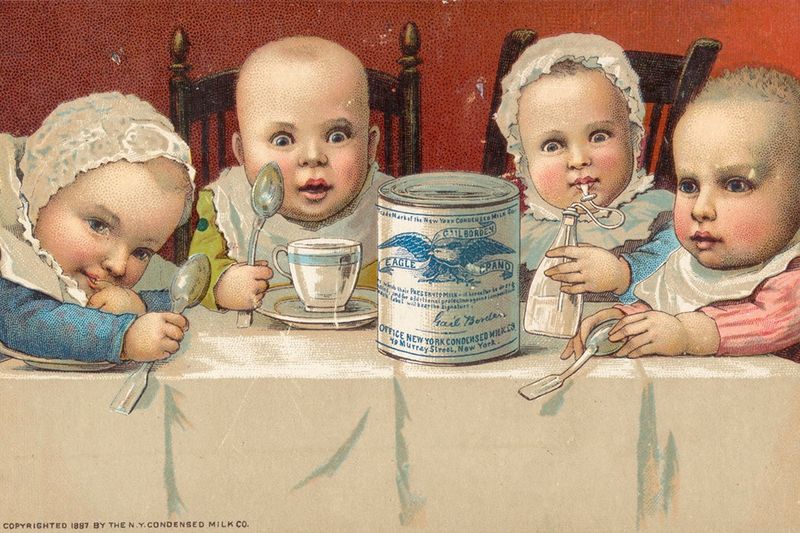
Fresh milk spoiled quickly before refrigeration existed, making it nearly impossible to ship by rail without losing the product. Gail Borden solved that problem in 1856 by inventing condensed milk, a factory-made product that could survive long journeys in tin cans without going bad.
Railways carried condensed milk from factories to cities and even to soldiers during the Civil War. Urban families relied on it heavily, especially for babies and young children.
It remained a kitchen staple for decades and helped shape how people consumed dairy products in the modern world.
10. Fish and Chips
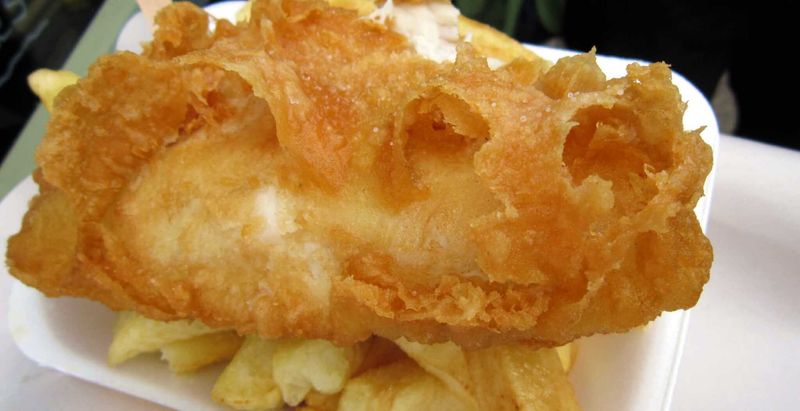
Fish and chips became the go-to meal for British factory workers in the industrial age, and railways made it happen. Trawler boats brought fresh fish from the coast, and the expanding rail network carried it inland to factory towns within hours.
Without the train, fresh fish would never have reached cities like Manchester or Birmingham.
Cheap cooking oil and affordable potatoes made the dish accessible to almost anyone. By the early 1900s, there were over 25,000 fish and chip shops across Britain, mostly serving the working class.
11. Bologna Sausage

Named after the Italian city of Bologna, this processed sausage got a massive popularity boost from American meat-packing factories in the late 1800s. Industrial slaughterhouses, made famous by cities like Chicago, could produce bologna in enormous quantities using mechanized cutting and grinding equipment.
Packed in paper or tin and shipped by rail, bologna became a lunchbox staple for factory workers and schoolchildren across the country. Affordable and filling, it was practically the official sandwich meat of American urban life for much of the 20th century.
12. Tinned Tomatoes
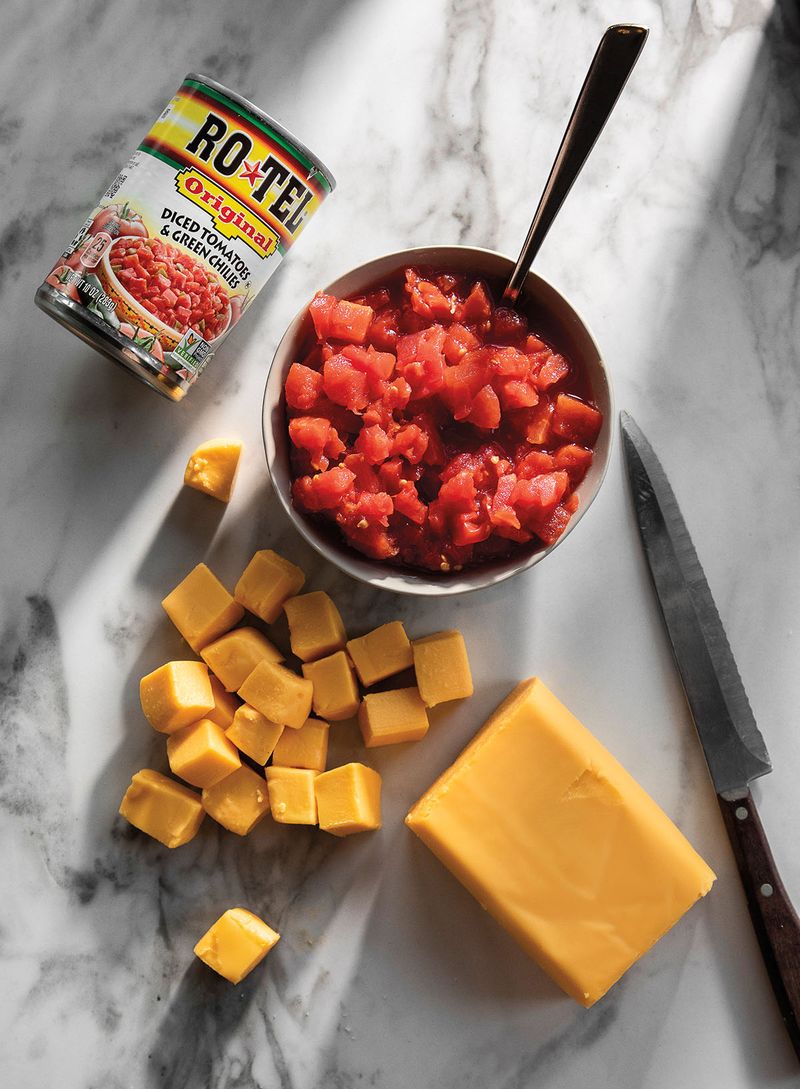
Before canning factories, tomatoes were a seasonal treat that most city dwellers could only enjoy for a few weeks each summer. Industrial canning changed that completely.
By the late 1800s, factories along the East Coast of the United States were sealing tomatoes into tins by the millions.
Railways then carried those tins to grocery stores in every city and town. Cooks could now make tomato-based sauces, soups, and stews year-round.
Tinned tomatoes quietly transformed urban cooking and helped spread Italian-influenced recipes across the entire country.
13. Crackers
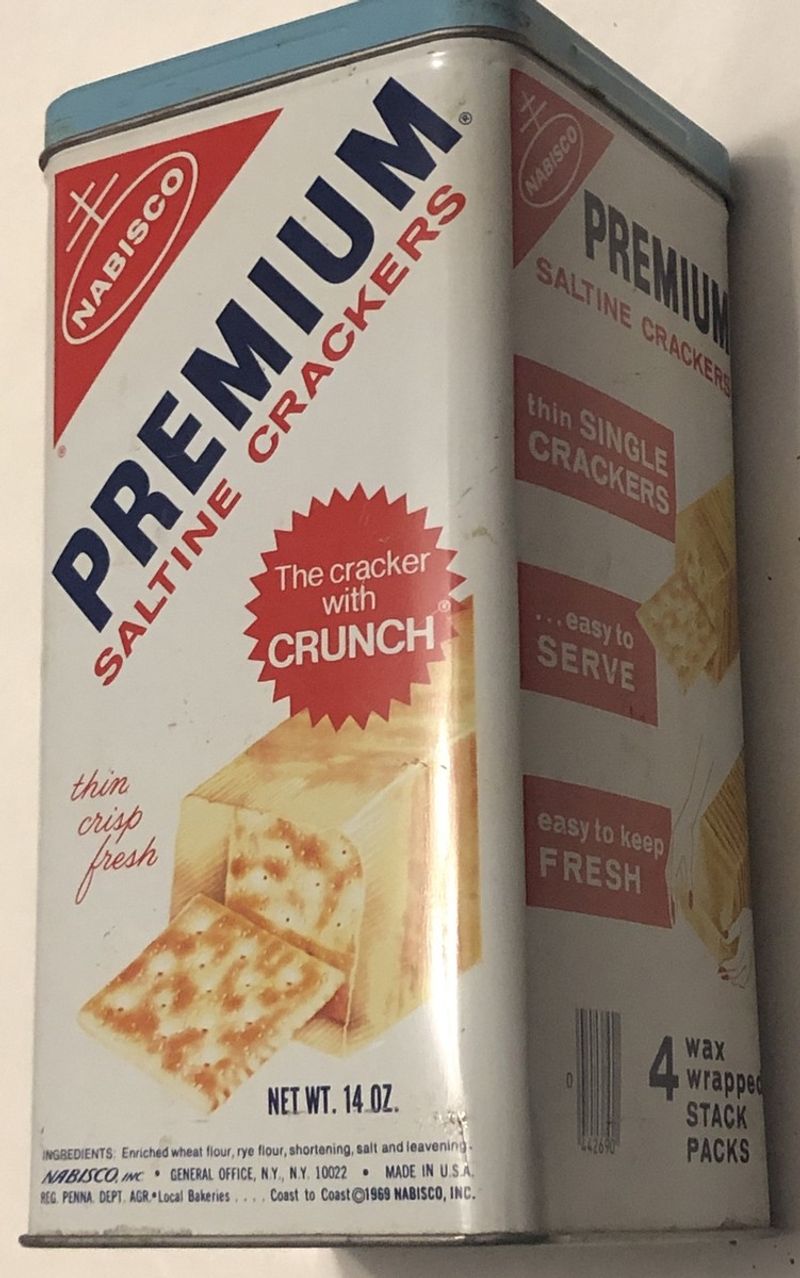
Long before crackers came in neat cardboard boxes, they were sold loose from barrels in general stores. Factory baking machines in the mid-1800s changed that by producing uniform, shelf-stable crackers at enormous speed.
Nabisco, formed in 1898, was one of the first companies to package crackers hygienically for mass distribution.
Railways moved those packages quickly from factory to store. City workers bought crackers as a quick, portable snack that required no preparation.
They became a lunch counter and factory-break essential, eaten with cheese, sardines, or simply on their own.
14. Peanut Butter
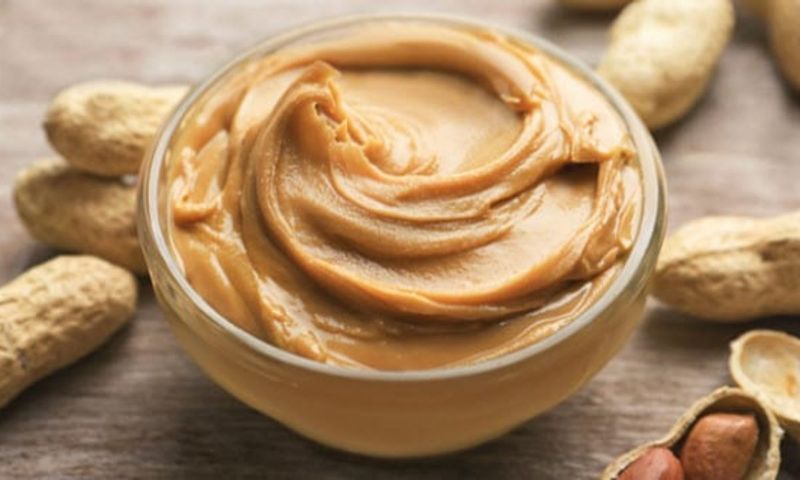
Peanut butter was introduced to a wide American audience at the 1904 St. Louis World's Fair, but it was factory production that truly launched it into kitchens everywhere. Early peanut butter was chunky and oily, but industrial grinding machines created the smooth, spreadable version people recognize today.
Shipped by rail across the country, peanut butter became a cheap, high-protein staple for urban families. During both World Wars, it was rationed and promoted as a meat substitute, cementing its place as one of America's most beloved everyday foods.
15. Processed Cheese
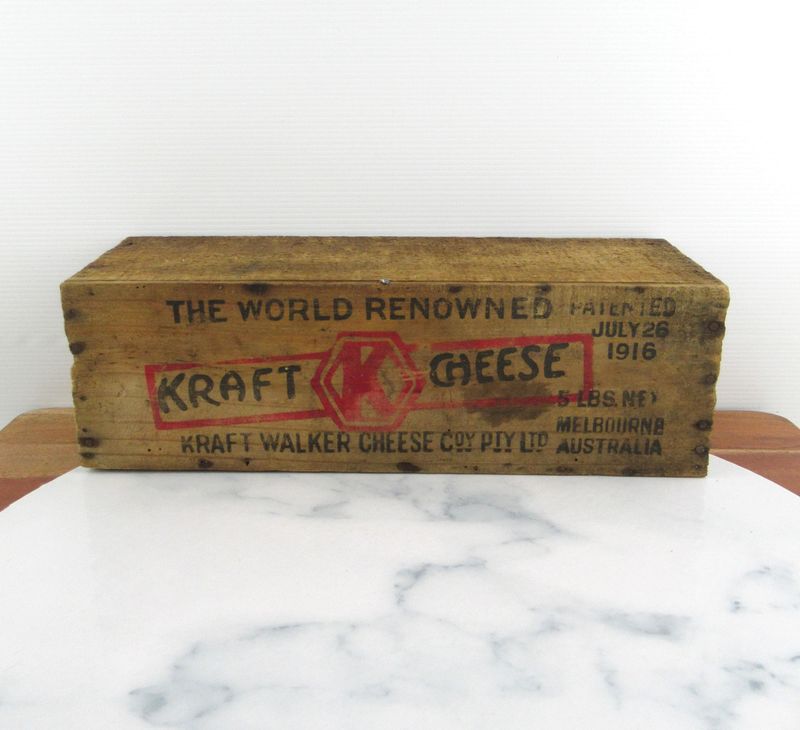
Processed cheese might not win any gourmet awards, but it owes its entire existence to industrial ingenuity. In 1916, James Kraft patented a method for pasteurizing and emulsifying cheese so it would not spoil during long-distance shipping by rail.
The result was a product that lasted far longer than natural cheese.
Factory production kept costs low, and Kraft cheese became a staple of urban households and military rations alike. It melted evenly, sliced cleanly, and never went moldy on the shelf - qualities that made it irresistible to busy city families.
16. Lard-Fried Donuts
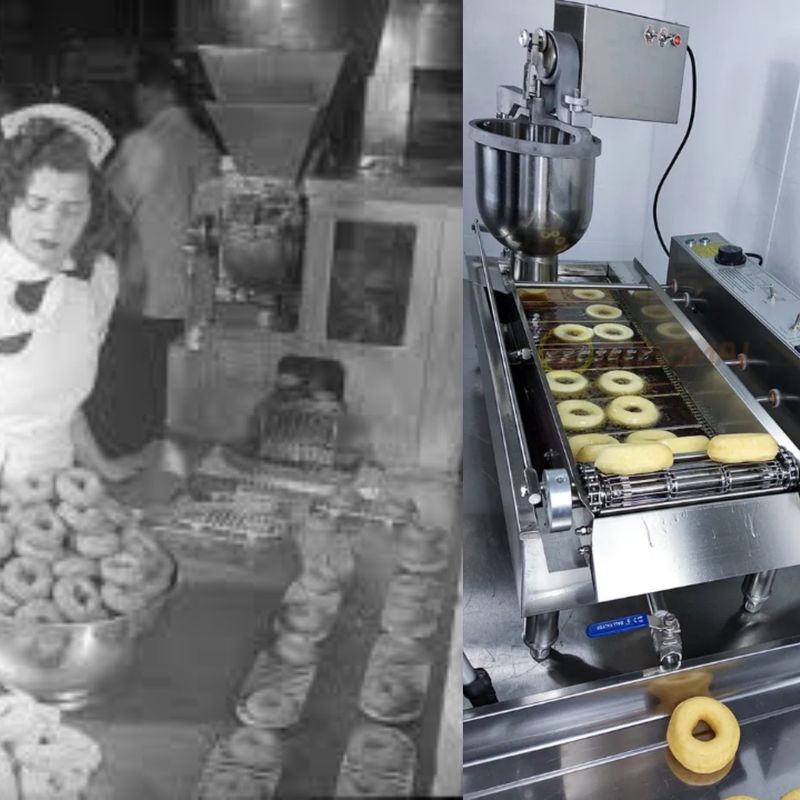
Donuts had existed in various forms for centuries, but the factory-made donut is a product of the industrial city. In 1920, Adolph Levitt invented the first automated donut machine in New York City, driven by the need to serve huge crowds of commuters and factory workers quickly.
His machine could produce hundreds of donuts per hour, and shop owners near train stations and factory gates snapped them up. Donuts became synonymous with the American working day - cheap, filling, and impossible to resist on a cold morning commute.
17. Corned Beef
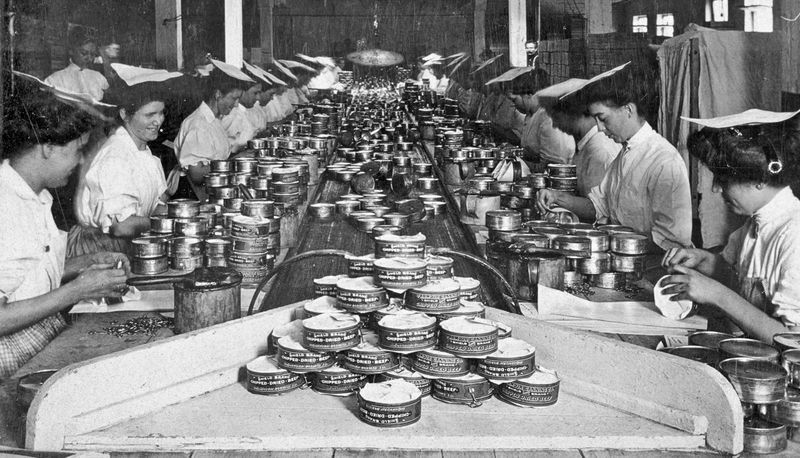
Salt-preserved beef has a long history, but corned beef in a tin is a gift from the factory era. Chicago's massive meatpacking plants, powered by industrial machinery and fed by railway cattle routes, could process and can beef in quantities that were previously unimaginable.
Those tins traveled by rail to cities across the United States and were exported to Britain, where corned beef became a wartime and working-class staple. For urban families with no refrigeration and limited budgets, a tin of corned beef meant a reliable, protein-packed meal any night of the week.
18. Soft Pretzels
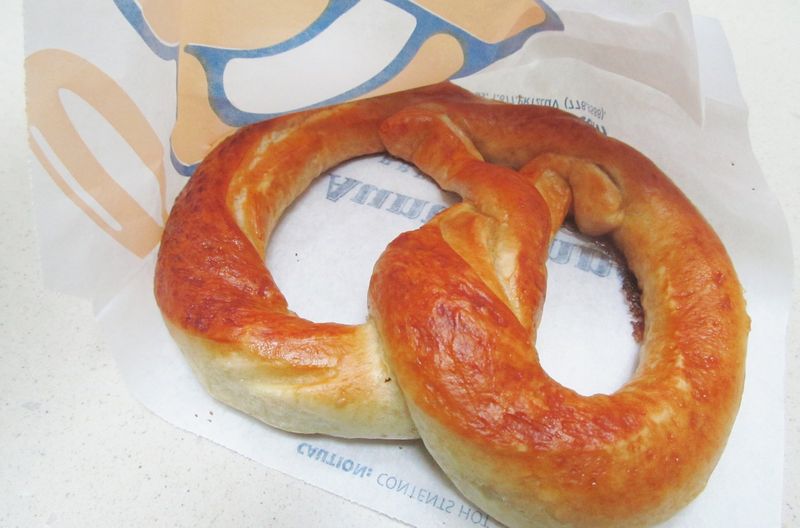
Soft pretzels and train stations go together like salt and dough. As railway travel exploded in the mid-1800s, vendors quickly figured out that commuters needed something cheap and easy to eat on the go.
Soft pretzels fit the bill perfectly - they were filling, required no utensils, and could be made in bulk.
Philadelphia became the pretzel capital of America partly because of its massive railway hub. Local bakeries supplied station vendors daily, and the pretzel became one of the first true commuter foods in American history, a tradition that continues to this day.
19. Spam
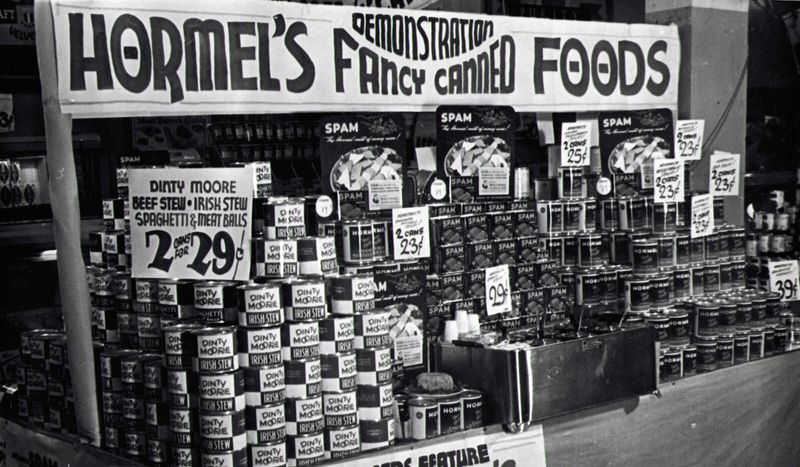
Spam was born in 1937 at the Hormel Foods factory in Austin, Minnesota, and it was designed from the start to solve a modern problem - how do you feed millions of people cheaply without needing refrigeration? The answer was spiced ham sealed in a tin and ready to eat anywhere.
Railways and military supply chains distributed Spam across the United States and beyond during World War II. City families and soldiers alike relied on it heavily.
In places like Hawaii and the Philippines, Spam became so embedded in local culture that it never really left.
20. Tomato Ketchup
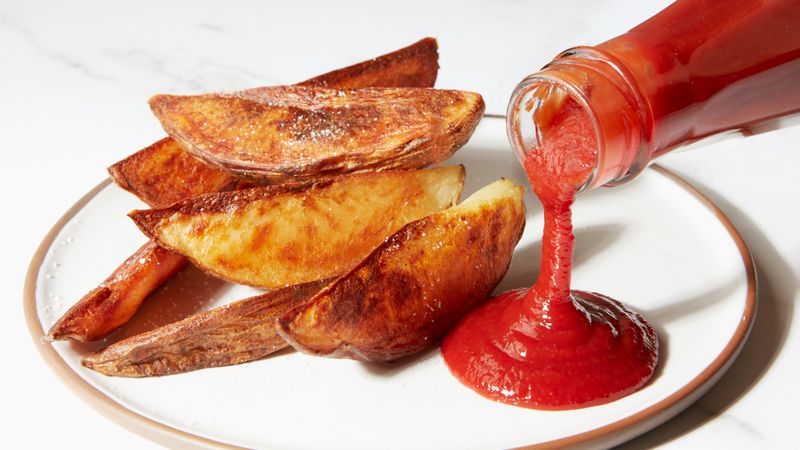
Ketchup existed in various forms long before Heinz got involved, but it was factory production that made it the universal condiment we know today. In 1876, Henry Heinz began bottling tomato ketchup in his Pittsburgh factory using a recipe that was thick, sweet, and shelf-stable without any preservatives.
Railways shipped Heinz ketchup to diners, lunch counters, and grocery stores from coast to coast. Workers eating at factory canteens and city lunch spots grabbed the bottle without thinking twice.
Ketchup became the default sauce of industrial-age America almost entirely because of mass production and rail distribution.
21. Candy Bars
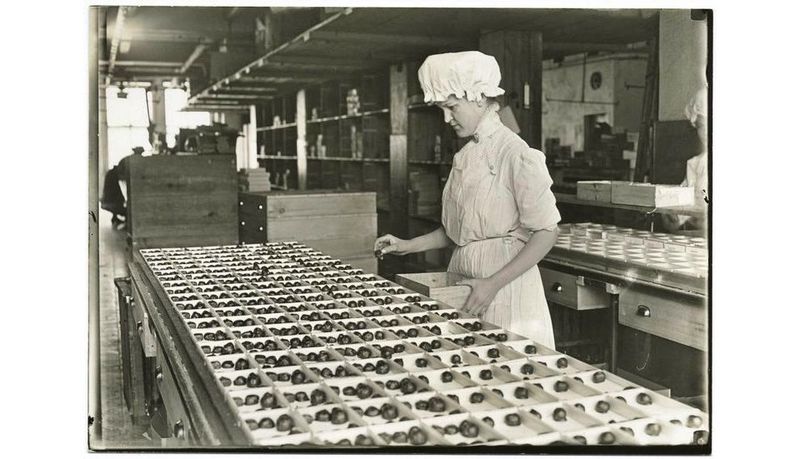
Candy bars are a pure product of industrial ambition. Before the 1900s, sweets were sold loose by weight and required a special trip to a confectionery shop.
Factories changed that by wrapping individual portions of chocolate, caramel, and nougat in foil or paper, making candy portable and affordable.
Mars, Hershey, and other companies used railways to distribute their bars to every corner of the country. Factory workers, city commuters, and schoolchildren all became loyal customers.
The candy bar became the ultimate pocket-sized reward for the hustle of modern urban life.

Comments
No Comments