









Ever ordered a "sub" at a sandwich shop, only to get a blank stare from someone who calls it a "hoagie" or a "hero"? Food names can change dramatically depending on which part of the country or world you are in.
The same delicious dish might go by a completely different name just a few miles down the road. Get ready to discover 16 familiar foods that have been living double, triple, or even quadruple lives under totally different names.
1. The Long Sandwich: Sub, Hoagie, Hero, or Grinder?
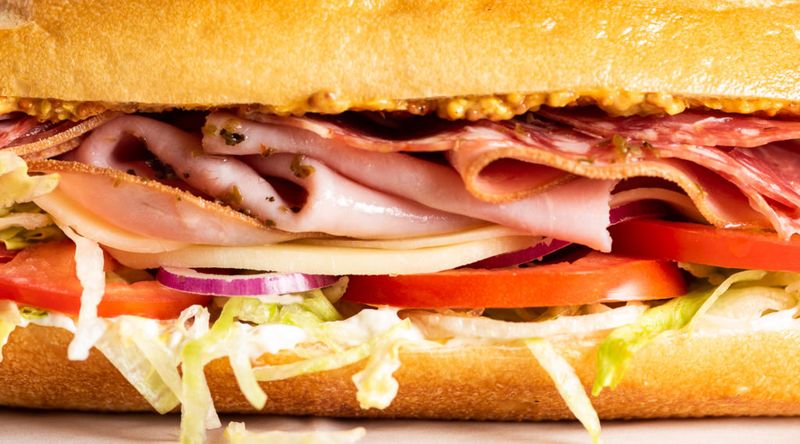
Call it what you want, but this overstuffed masterpiece of meat, cheese, and veggies has serious identity issues. In New York, it is a hero.
In Philadelphia, it is a hoagie. New Englanders call it a grinder, while most of the country goes with sub, short for submarine.
The name "grinder" is said to come from how hard you had to chew the crusty bread. No matter what you call it, the sandwich inside is almost always the same delicious thing.
2. Fizzy Drinks: Soda, Pop, or Coke?
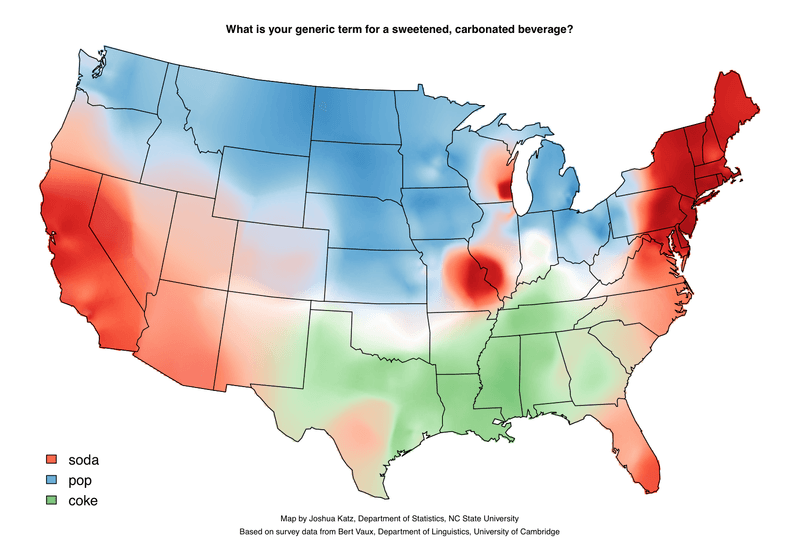
Ask for a "pop" in California and people might look at you sideways. Head to the Midwest, though, and "pop" is the perfectly normal word for any fizzy drink.
In the South, nearly every carbonated beverage gets called "Coke," even if it is actually a Sprite or a Dr Pepper.
The word "soda" dominates the coasts. Linguists have actually mapped these regional differences across the U.S., and the boundaries are surprisingly sharp and fascinating.
3. Sneakers vs. Tennis Shoes vs. Trainers

Your feet might be wearing the exact same shoes, but what you call them depends entirely on where you grew up. Americans from the Northeast often say "sneakers," while those in the South and Midwest tend to prefer "tennis shoes," even for shoes never used near a court.
Cross the Atlantic to the UK or Australia, and those same shoes become "trainers." It is a small word difference, but it can immediately reveal where someone is from without them saying another word.
4. Pancakes, Hotcakes, Flapjacks, or Griddle Cakes?
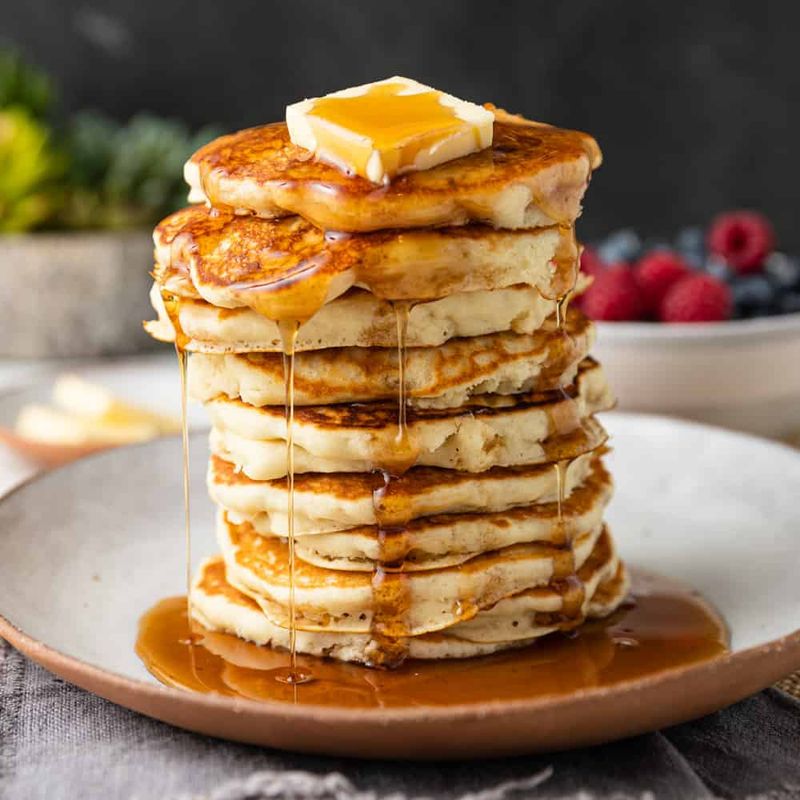
Fluffy, golden, and perfect with maple syrup, this breakfast favorite goes by a surprisingly long list of names. "Flapjack" was the original American term dating back to the 1600s. McDonald's famously calls them hotcakes, and some old-fashioned diners still use "griddle cakes."
In the UK, a flapjack is actually a completely different food, more like a chewy oat bar. So ordering flapjacks abroad might get you something totally unexpected at the breakfast table.
5. Crayfish, Crawfish, or Crawdads?
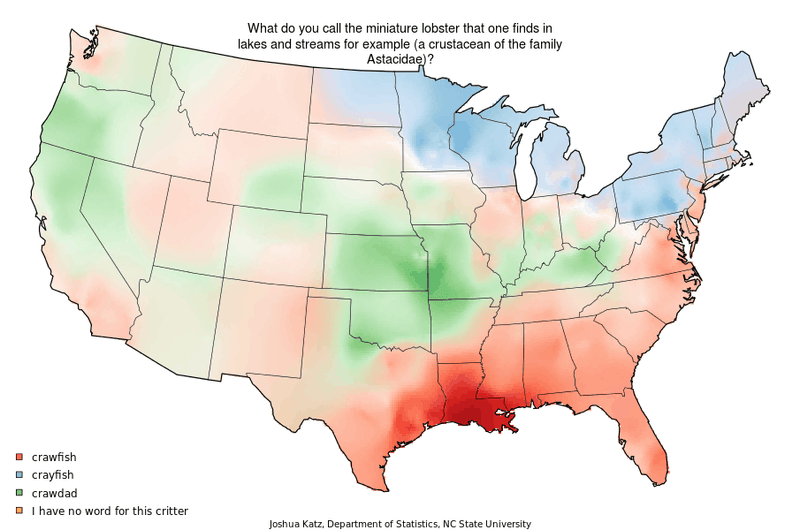
This little freshwater crustacean has sparked more naming debates than almost any other food in America. Louisiana locals swear by "crawfish," and it is central to their beloved Cajun cuisine.
Head up North or to the UK, and the same creature is called a "crayfish."
In parts of the Midwest and Appalachia, people have always called them "crawdads." All three names refer to the same pinchy little creature that ends up in spicy boils, bisques, and po boys.
6. Cotton Candy or Candy Floss?

Spun sugar on a stick is pure fairground magic, but what you call it depends on your passport. Americans grow up calling it cotton candy, a name that perfectly captures its fluffy, cloud-like texture.
Brits and Australians call the exact same treat candy floss, which sounds equally whimsical.
In France, it goes by "barbe a papa," which translates to "dad's beard." That might be the most creative food name on this entire list, honestly.
7. Chips vs. Crisps vs. Fries
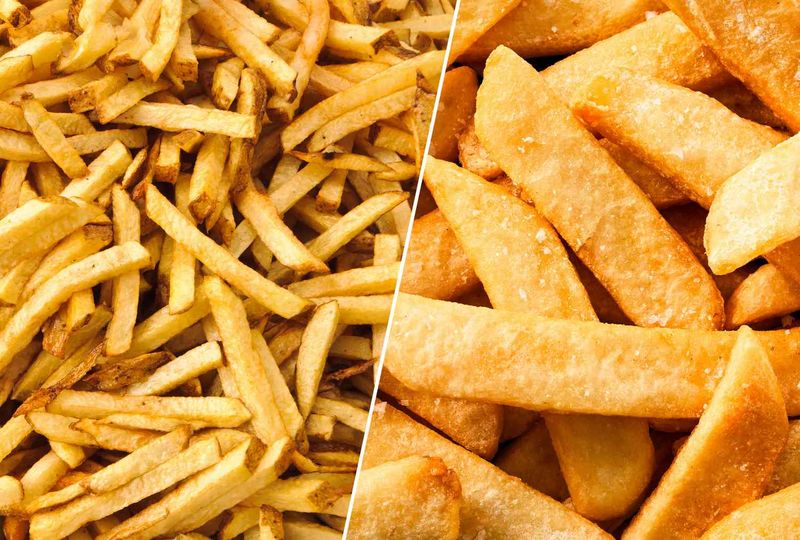
This one trips up travelers more than almost anything else. In the U.S., thin sliced, deep-fried potato snacks in a bag are chips.
The British call those same snacks crisps. But then what Americans call French fries, the British call chips.
So if a British person asks for chips at an American diner, they might end up with a bag of Lays instead of hot fries. Knowing this difference before traveling abroad can save a very confusing meal.
8. Arugula or Rocket?
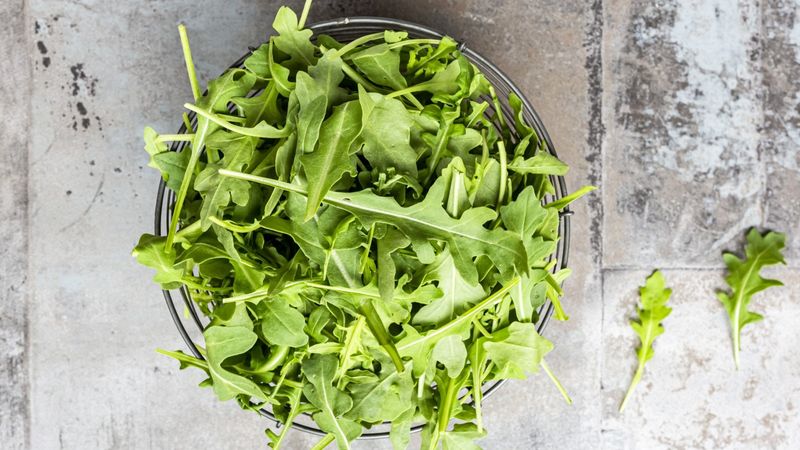
This peppery green leaf has a split personality depending on which side of the Atlantic you are on. Americans call it arugula, borrowing the name from Italian.
The British, Australians, and many other English-speaking countries call it rocket, which sounds much more exciting for a salad ingredient.
Both names refer to the same slightly bitter, nutty-flavored leaf that pairs beautifully with parmesan and lemon. Chefs in fine dining restaurants tend to use whichever name sounds fancier on the menu.
9. Zucchini or Courgette?
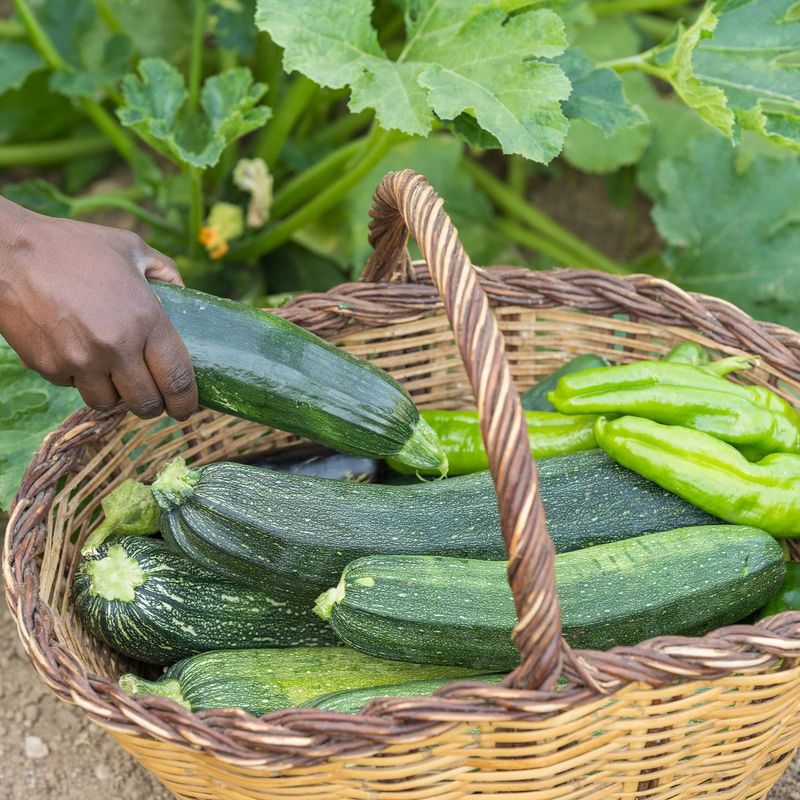
This mild, green summer vegetable is called zucchini in the U.S. and Canada, a name borrowed from Italian. Travel to the UK, Ireland, or France, and the exact same vegetable becomes a courgette, taken from the French language instead.
Both words essentially mean the same thing: a small, tender squash. The difference just depends on which culinary tradition influenced the local language more.
Either way, it ends up roasted, grilled, or spiralized into "zoodles" on dinner plates everywhere.
10. Eggplant or Aubergine?
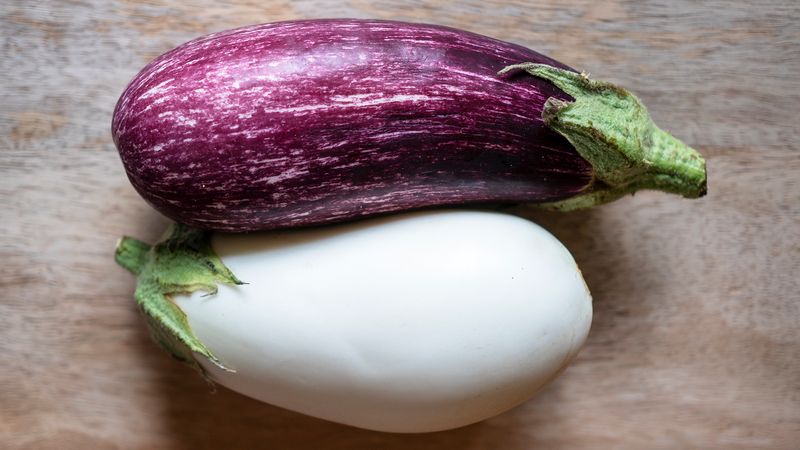
The deep purple, glossy vegetable that stars in dishes like moussaka and baba ganoush has two very different names. Americans call it eggplant, supposedly because early varieties were small and white, resembling eggs on the vine.
The British and most of Europe call it an aubergine, derived from French and Arabic roots.
In South Asia, it is called brinjal. One vegetable, three major names across the English-speaking world.
It is a surprisingly international food with a lot of linguistic baggage.
11. Cilantro or Coriander?
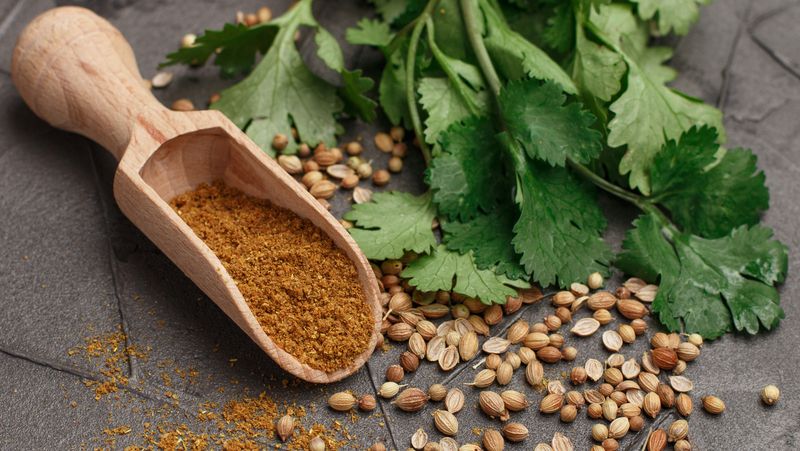
Fresh, bright, and divisive, this herb is loved by many and strongly disliked by others. In the U.S. and Canada, the leafy green herb is called cilantro, a name borrowed from Spanish.
The rest of the English-speaking world, including the UK and Australia, calls it coriander.
Here is the twist: in the U.S., coriander refers to the dried seeds of the same plant, not the leaves. So the same plant produces two different ingredients with two different names, depending on which part you are using.
12. Snow Cones, Shaved Ice, or Snowballs?
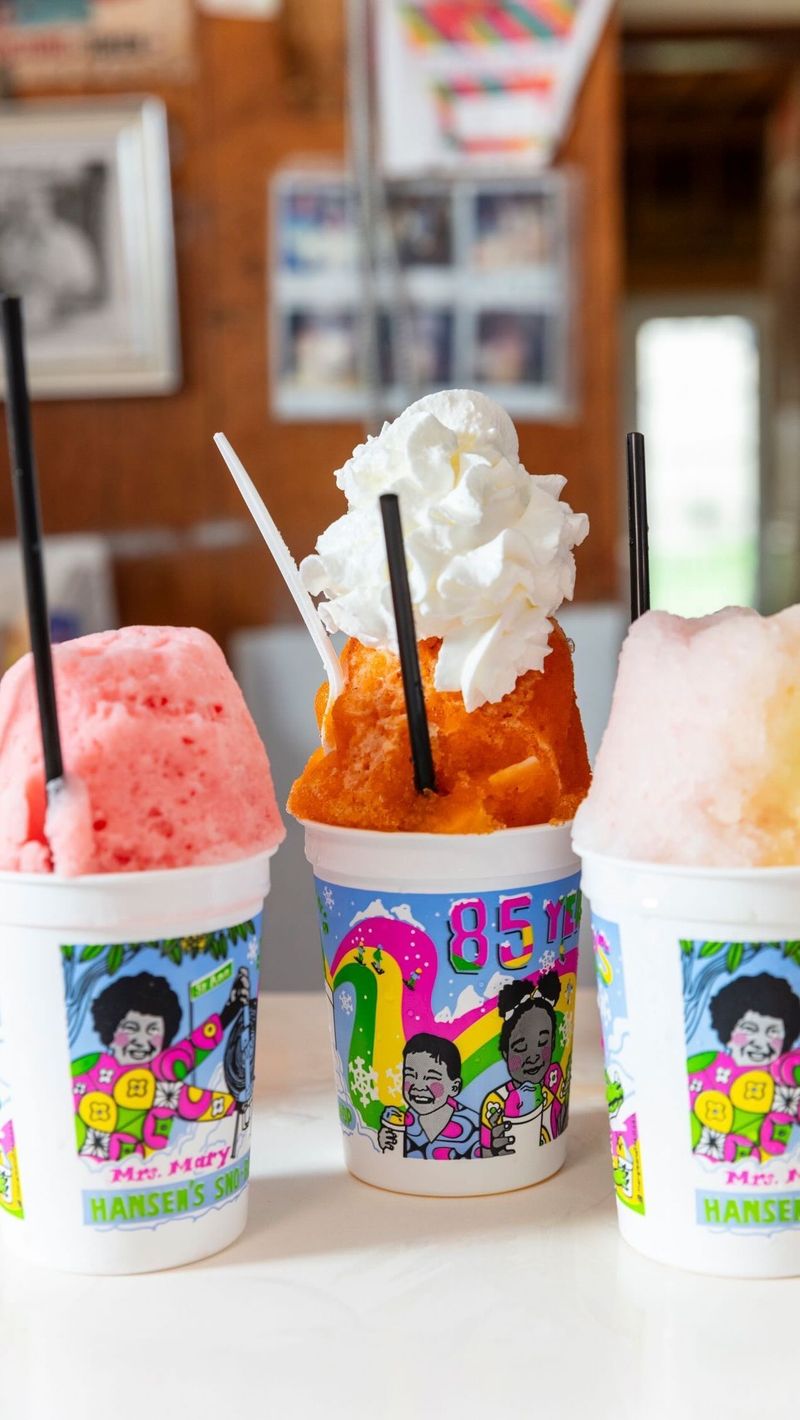
On a hot summer day, a cup of flavored crushed ice is basically a survival tool. But what you call it reveals a lot about where you spent your summers.
Most of the U.S. calls it a snow cone. In Hawaii, it is shaved ice, and the texture is noticeably finer and fluffier.
In New Orleans, it is a snowball, and locals take serious pride in the quality of their syrup flavors. Same basic idea, three very passionate regional fan bases with strong opinions about which version is best.
13. Sprinkles, Jimmies, or Hundreds and Thousands?
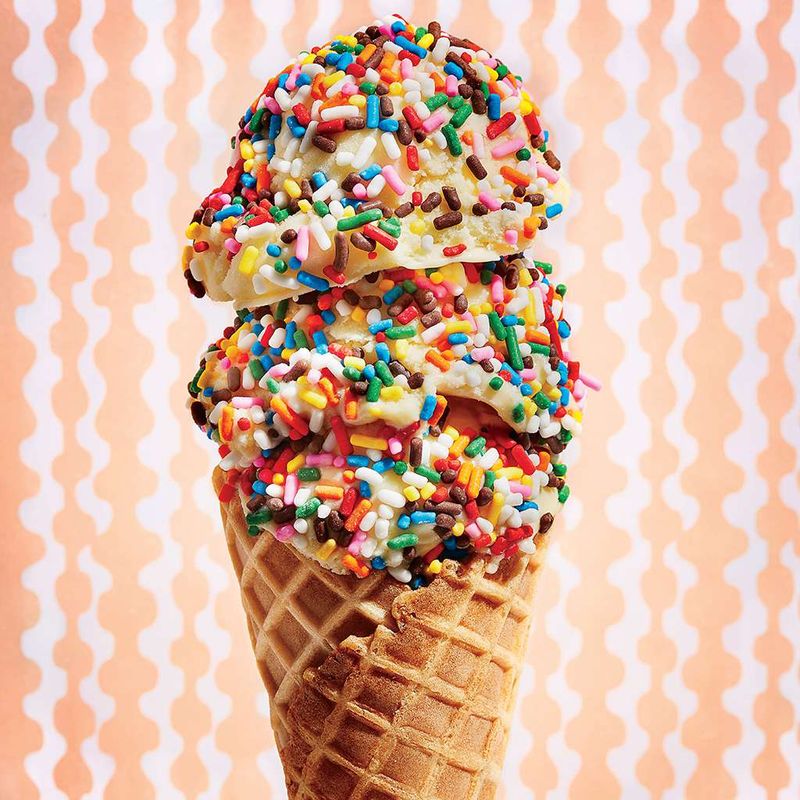
Those tiny, colorful sugar decorations on top of ice cream and cupcakes have sparked real arguments about their name. Most Americans call them sprinkles.
In the Northeast, especially around Boston and Philadelphia, people call them jimmies, a term with murky and debated origins.
Australians and the British call them hundreds and thousands, which is an adorably exaggerated name for something so tiny. No matter the name, their main job is making desserts look cheerful, and they are very good at it.
14. Stuffing or Dressing?
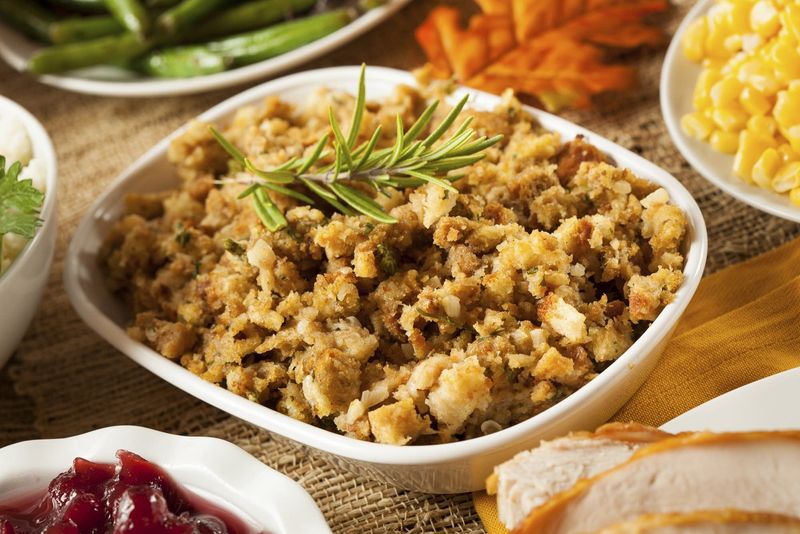
Every Thanksgiving, this debate comes back to life. If it is cooked inside the turkey, most people call it stuffing.
If it is baked separately in a dish, many call it dressing. But regional loyalty often overrides that logic entirely.
In the South, it is almost always called dressing, whether it is inside the bird or not. In the North, stuffing is the go-to word regardless of cooking method.
Both are delicious, and both sides are convinced their name is the correct one.
15. Milkshake, Frappe, or Cabinet?
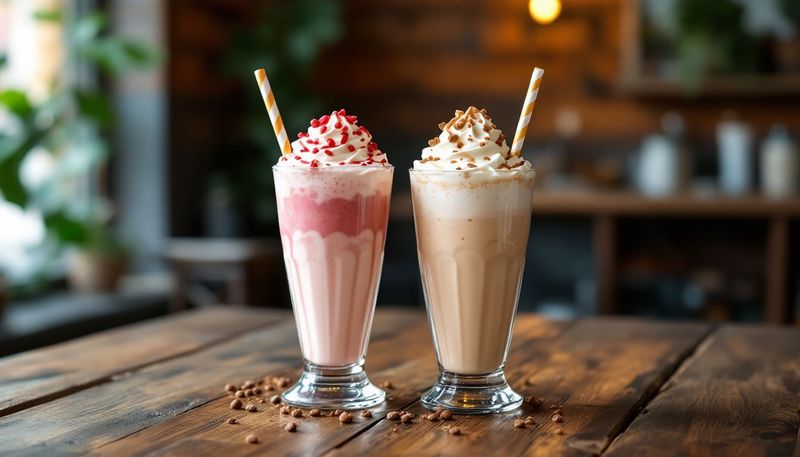
A thick, creamy blended drink made with ice cream sounds simple enough, but its name changes the moment you cross state lines. Most of the country calls it a milkshake without a second thought.
In Massachusetts, a milkshake is just flavored milk with no ice cream, and a thick blended version is called a frappe.
In Rhode Island, that same frosty drink is called a cabinet, named after the wooden cabinet that once housed the blending machines in old-fashioned soda fountains.
16. Garage Sale, Yard Sale, or Tag Sale?
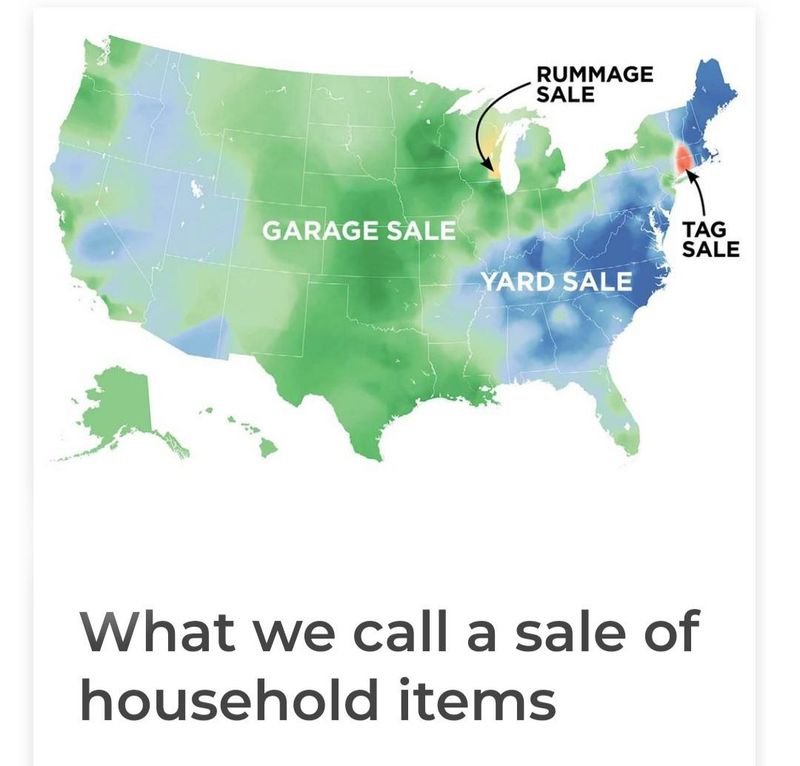
Okay, this one is not exactly a food, but the snacks you find at these events are legendary. The event itself, where neighbors sell unwanted stuff from their homes, goes by several names.
Most of the country says garage sale or yard sale, often interchangeably based on where the stuff is displayed.
In Connecticut and parts of New England, the exact same event is called a tag sale, because items are tagged with prices. Small naming differences like this show just how regional American English really is.
Comments
No Comments