













Perfectly crispy fried chicken is one of those foods that seems simple but hides a world of technique behind every golden bite. Restaurants that nail it every single time are not just lucky - they follow a set of carefully guarded methods that make all the difference.
From the brine to the oil temperature, each step plays a role in creating that satisfying crunch. Get ready to uncover the secrets that top kitchens swear by.
1. The Overnight Brine Is Non-Negotiable
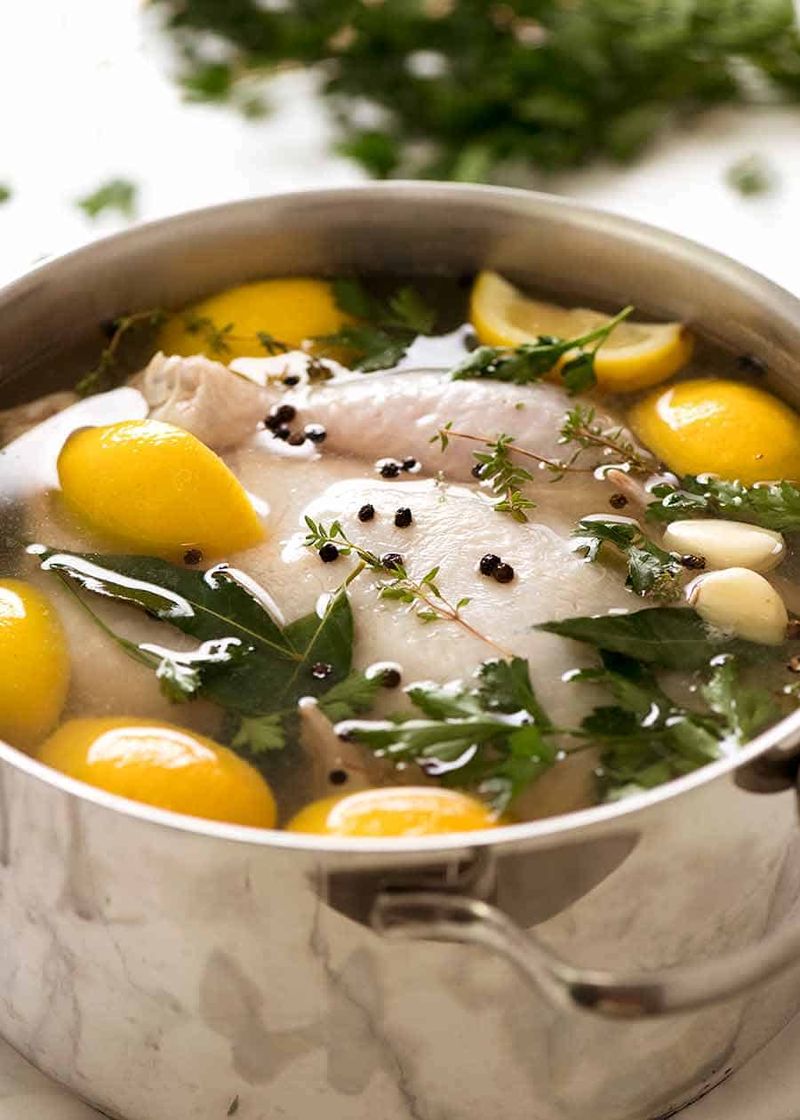
Ask any restaurant chef what the single most important step is, and you will almost always hear the same answer: brine your chicken. Soaking the chicken in salted water for at least 12 hours pulls moisture deep into the meat, keeping it juicy even after a long fry.
Salt also begins breaking down tough muscle fibers, making every bite tender. A basic brine of water, salt, and sugar is a great starting point, but adding garlic or herbs takes flavor to the next level.
2. Buttermilk Marinade Does Double Duty
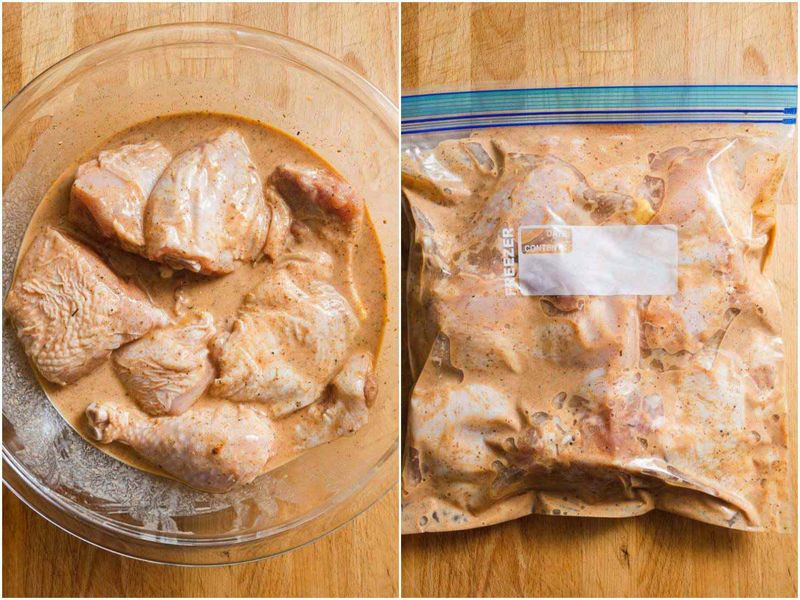
Buttermilk is the secret weapon most home cooks overlook. Its natural acidity gently tenderizes the chicken while the fat helps the coating stick like glue during frying.
Restaurants often marinate chicken in seasoned buttermilk for anywhere from four hours to a full day. The longer it sits, the deeper the flavor goes.
Hot sauce is a popular addition that adds a subtle kick without making the chicken spicy. That little tang makes a noticeable difference in the finished product.
3. Seasoning the Flour, Not Just the Chicken
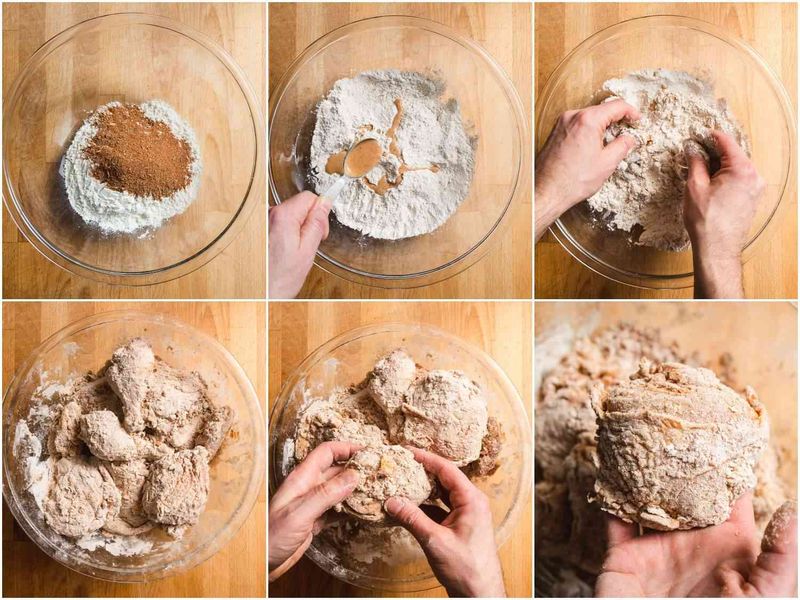
One of the biggest mistakes home cooks make is seasoning only the chicken and leaving the coating bland. Restaurants season their flour generously with salt, pepper, paprika, garlic powder, and sometimes cayenne or onion powder.
Every layer of the fried chicken needs flavor. When the coating itself tastes good, the finished piece delivers a punch with every single bite.
Some kitchens even add dried herbs like thyme or oregano to the flour for a more complex, aromatic crust that stands out.
4. Double Dredging Creates Extra Crunch
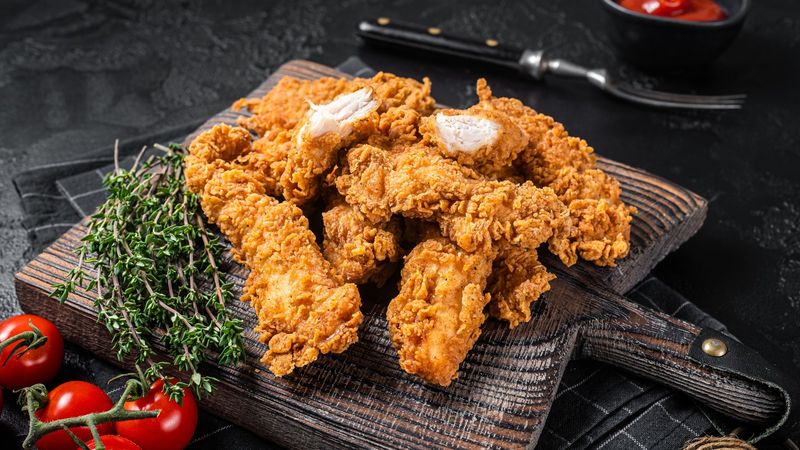
Single-dipping chicken in flour gives you a thin coat. Double dredging, which means dipping the chicken in flour, then back into buttermilk, then into flour again, builds a thick, shaggy crust that fries up incredibly crunchy.
That rough, uneven texture is exactly what creates those satisfying crispy bits everyone fights over. Restaurants press the flour firmly onto the chicken during each pass to make sure nothing falls off in the oil.
It sounds simple, but this step alone changes everything.
5. Cornstarch Is the Crunch Booster
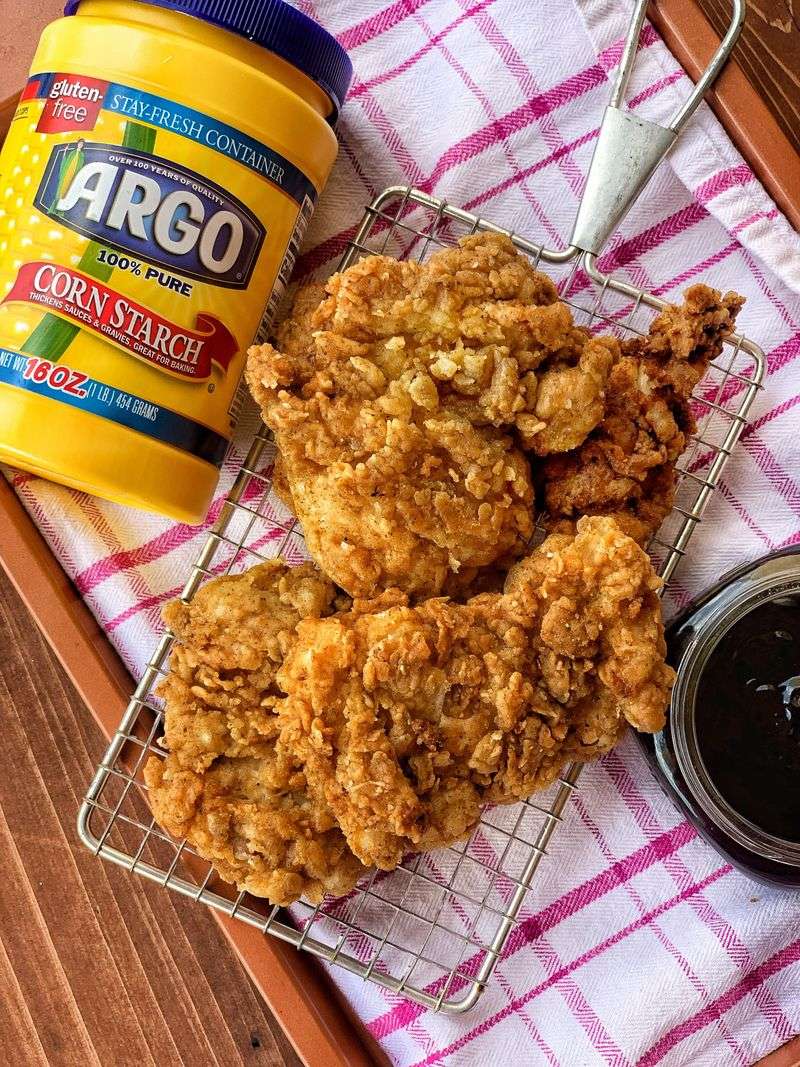
Here is a trick borrowed straight from Asian fried chicken traditions: swap out some of the flour for cornstarch. Mixing cornstarch into the coating changes the texture dramatically, producing a lighter, crispier crust that stays crunchy much longer than flour alone.
Most restaurant recipes use a ratio of about one part cornstarch to three parts flour. The starch pulls moisture away from the surface during frying, helping the crust set faster and stay crisp even after sitting under a heat lamp for a few minutes.
6. Oil Temperature Is Everything
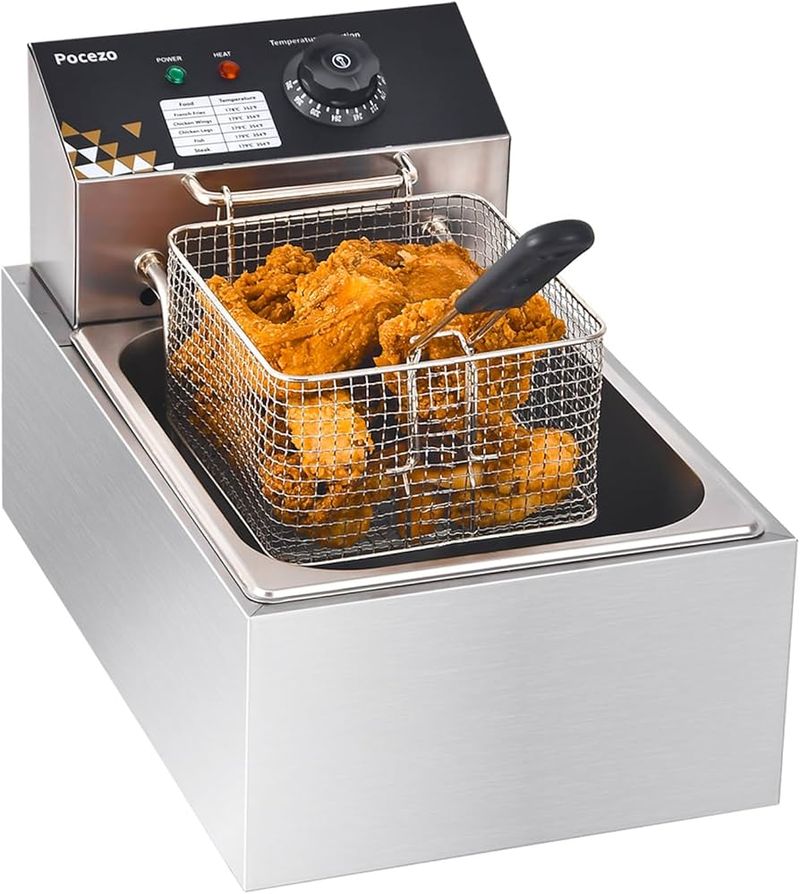
Restaurants obsess over oil temperature, and for good reason. Frying at the wrong heat ruins chicken in two different ways.
Too low, and the chicken absorbs oil and turns out greasy. Too high, and the outside burns before the inside is cooked through.
The sweet spot is between 325 and 350 degrees Fahrenheit. Most professional kitchens keep a thermometer clipped to the fryer at all times.
Keeping the temperature steady throughout the entire cook is just as important as hitting the right number at the start.
7. Cast Iron Pans Hold Heat Better
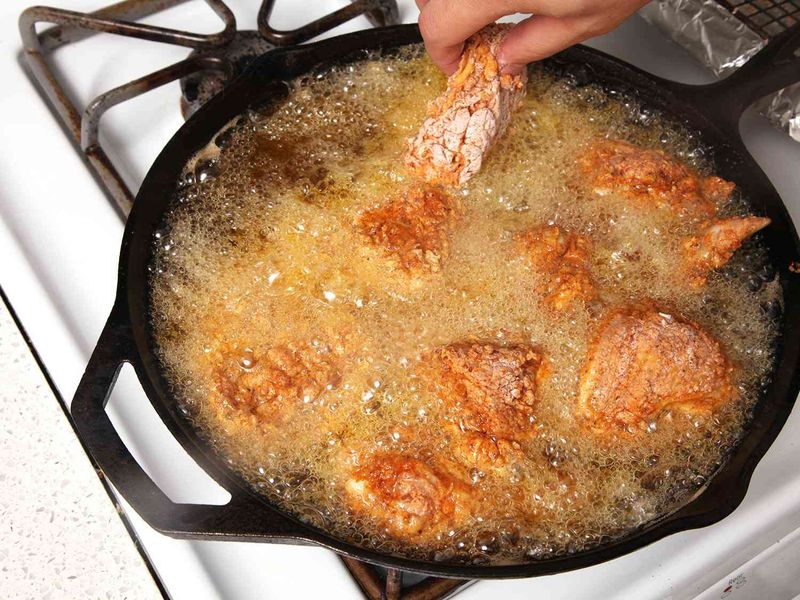
Many iconic fried chicken restaurants still rely on cast iron skillets rather than modern deep fryers. Cast iron holds heat exceptionally well, meaning the oil temperature stays stable even when cold chicken hits the pan.
That consistent heat is what gives you an even, golden crust from edge to edge. The pan also conducts heat in a slightly different way than stainless steel, creating a crust with a unique, almost nutty flavor.
Old-school diners have known this trick for generations.
8. Never Crowd the Fryer
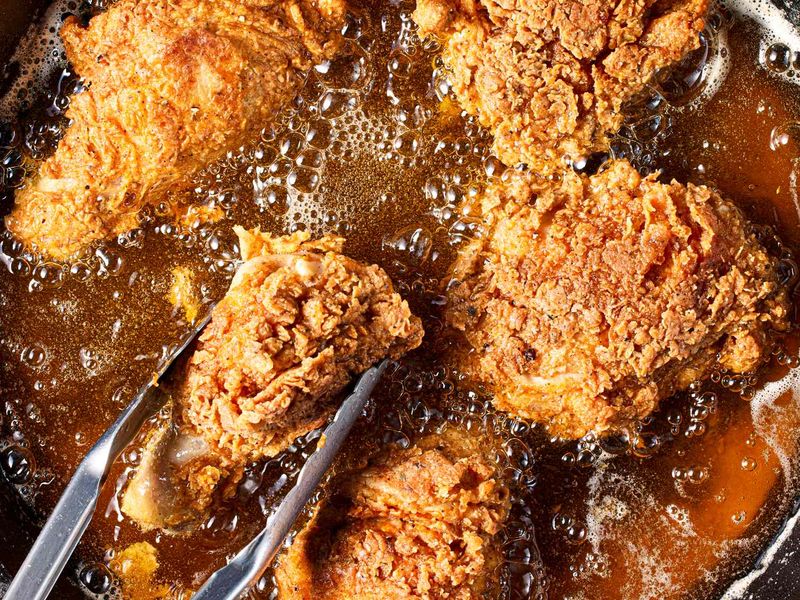
Packing too many pieces into the fryer at once is a recipe for soggy chicken. When you crowd the pan, the oil temperature drops rapidly, and the chicken ends up steaming instead of frying.
Restaurants fry in small batches, even when orders are piling up. Each piece needs enough room for hot oil to circulate freely around it.
Most professional kitchens allow at least an inch of space between each piece. Patience here is what separates good fried chicken from truly great fried chicken.
9. Resting on a Wire Rack, Not Paper Towels
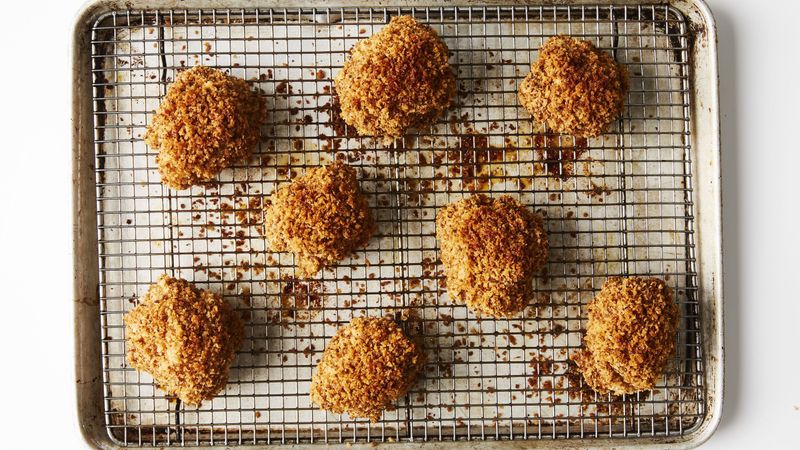
Paper towels seem like the obvious choice for draining fried food, but restaurants know better. Setting fried chicken on paper towels traps steam underneath, softening the very crust you worked so hard to build.
A wire rack lets air flow all the way around each piece, keeping the bottom just as crispy as the top. Placing the rack over a baking sheet also catches drips without making a mess.
This one small change in your process makes a surprisingly big impact on texture.
10. Choosing the Right Frying Oil Matters
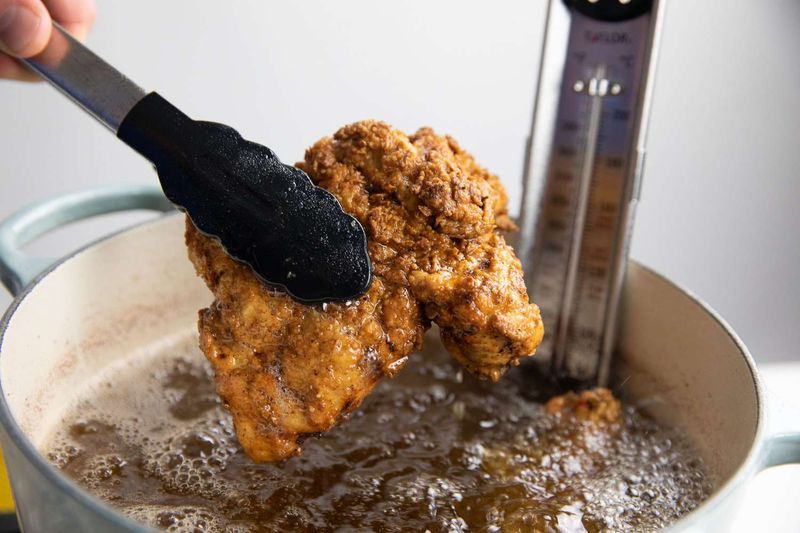
Not all oils are created equal when it comes to frying chicken. Restaurants typically choose oils with high smoke points, meaning oils that can handle high heat without breaking down or adding off flavors to the food.
Peanut oil is a favorite in many Southern fried chicken spots because it adds a mild, slightly nutty flavor and handles heat like a champion. Vegetable oil and canola oil are popular for their neutral taste.
Avoid olive oil entirely for frying, as it burns too quickly and adds bitterness.
11. Letting the Coating Rest Before Frying
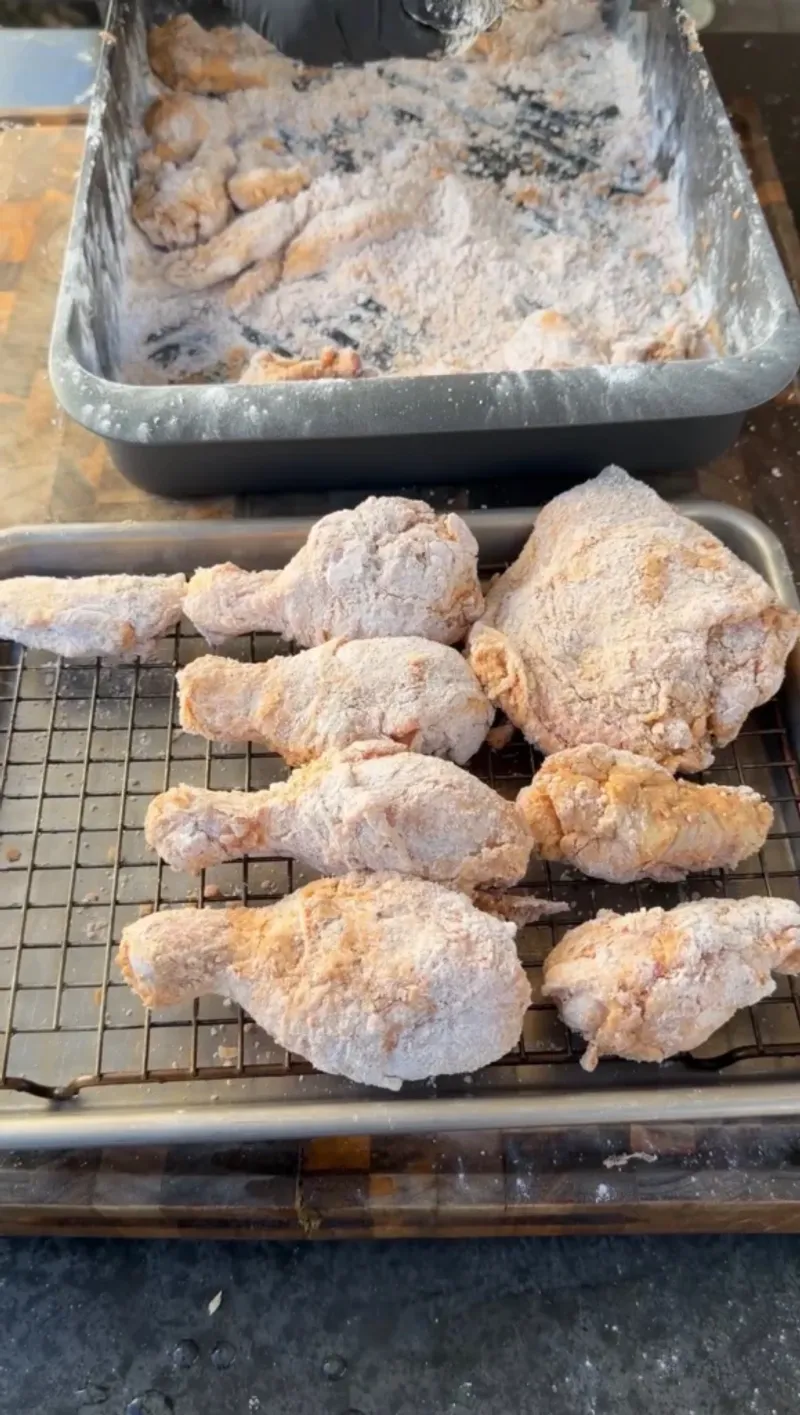
After coating the chicken, most home cooks go straight to the fryer. Restaurants do not.
Letting the breaded chicken rest for 15 to 30 minutes before it hits the oil makes a huge difference in how well the coating sticks.
During that resting time, the flour absorbs moisture from the buttermilk and forms a paste-like bond with the chicken. This prevents the coating from sliding off in the oil and helps create a thicker, more uniform crust.
Think of it as letting the coating set before committing to the fry.
12. Pressure Frying for Juicier Results
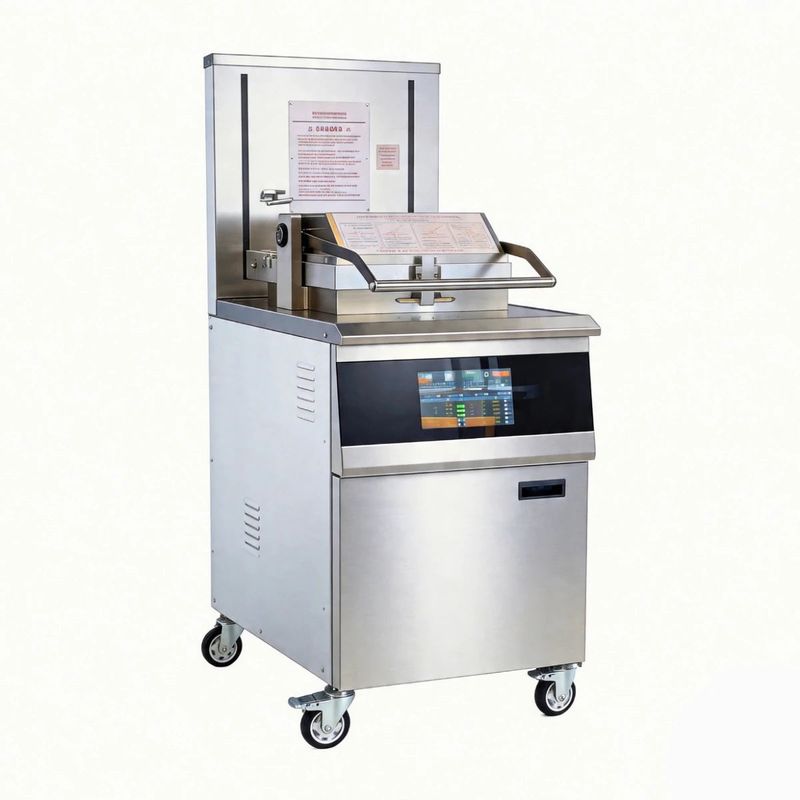
Ever wonder how certain fast food chains get their chicken so incredibly juicy inside with a perfectly crisp shell? The answer is pressure frying.
Instead of open-air frying, pressure fryers seal in steam, which cooks the chicken faster and keeps moisture locked inside the meat.
Home pressure fryers exist but are less common. Some adventurous home cooks use a pressure cooker followed by a quick shallow fry to mimic the effect.
The results are noticeably juicier than traditional frying methods.
13. MSG Adds That Addictive Savory Punch
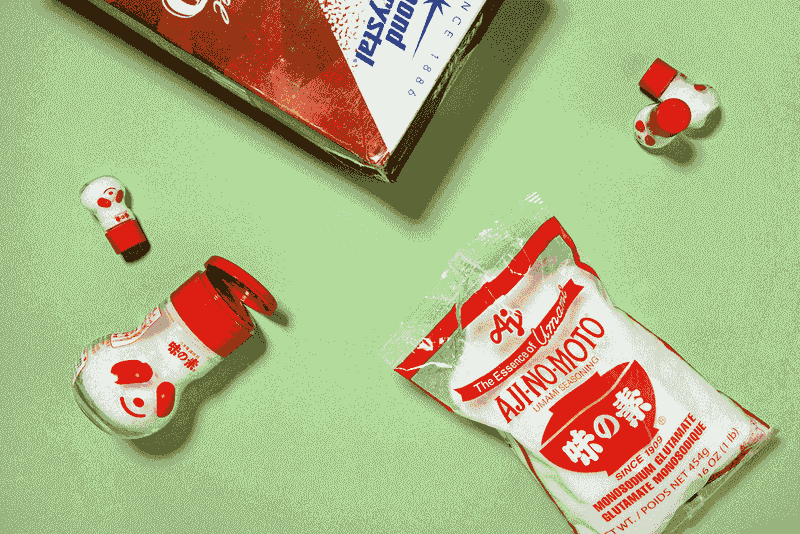
MSG gets a bad reputation, but professional kitchens have used it for decades without hesitation. Monosodium glutamate enhances the savory, umami flavor of food in a way that regular salt simply cannot replicate.
A small pinch added to the flour coating or the brine makes the chicken taste richer and more satisfying without making it taste like anything specific. Many beloved fried chicken chains quietly include MSG in their recipes.
Once you try it, you will understand why restaurants keep reaching for it.
14. Spatchcocking for More Even Cooking
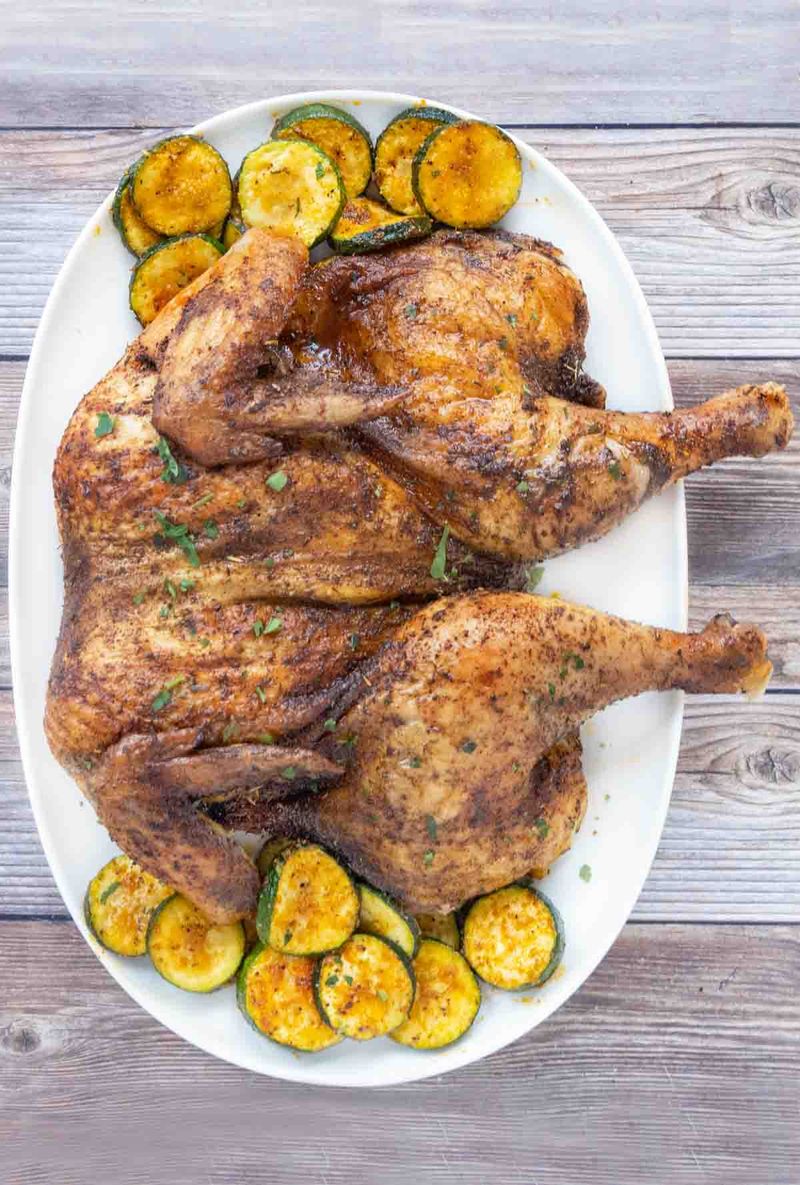
Some upscale fried chicken restaurants take things a step further by spatchcocking their birds before frying. Spatchcocking means removing the backbone and flattening the chicken so every part cooks at the same rate.
This technique eliminates the frustrating problem of overcooked breasts and undercooked thighs. It also shortens cooking time significantly.
While it requires a bit more prep work upfront, the payoff is chicken that is perfectly cooked from the wing tips to the drumsticks, with a consistently crispy crust across the entire bird.
15. Adding Baking Powder to the Coating
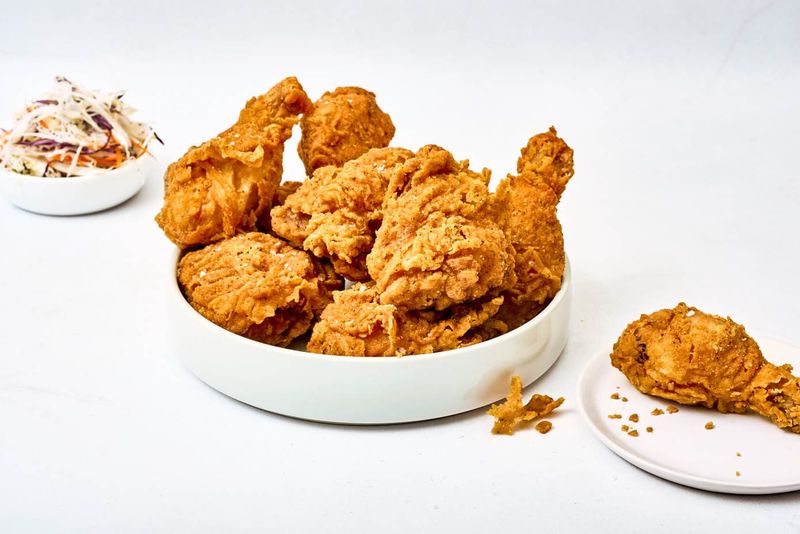
Baking powder is one of those quiet ingredients that causes a big reaction in the fryer. When it hits hot oil, it releases tiny carbon dioxide bubbles that puff up the coating and make it extra light and crunchy.
Restaurants often mix one teaspoon of baking powder per cup of flour into their coating blend. The result is a crust that is airy and crisp rather than dense and heavy.
It also helps the coating brown more evenly, giving you that beautiful golden color that makes fried chicken so visually irresistible.
16. Finishing in the Oven for Safety and Texture
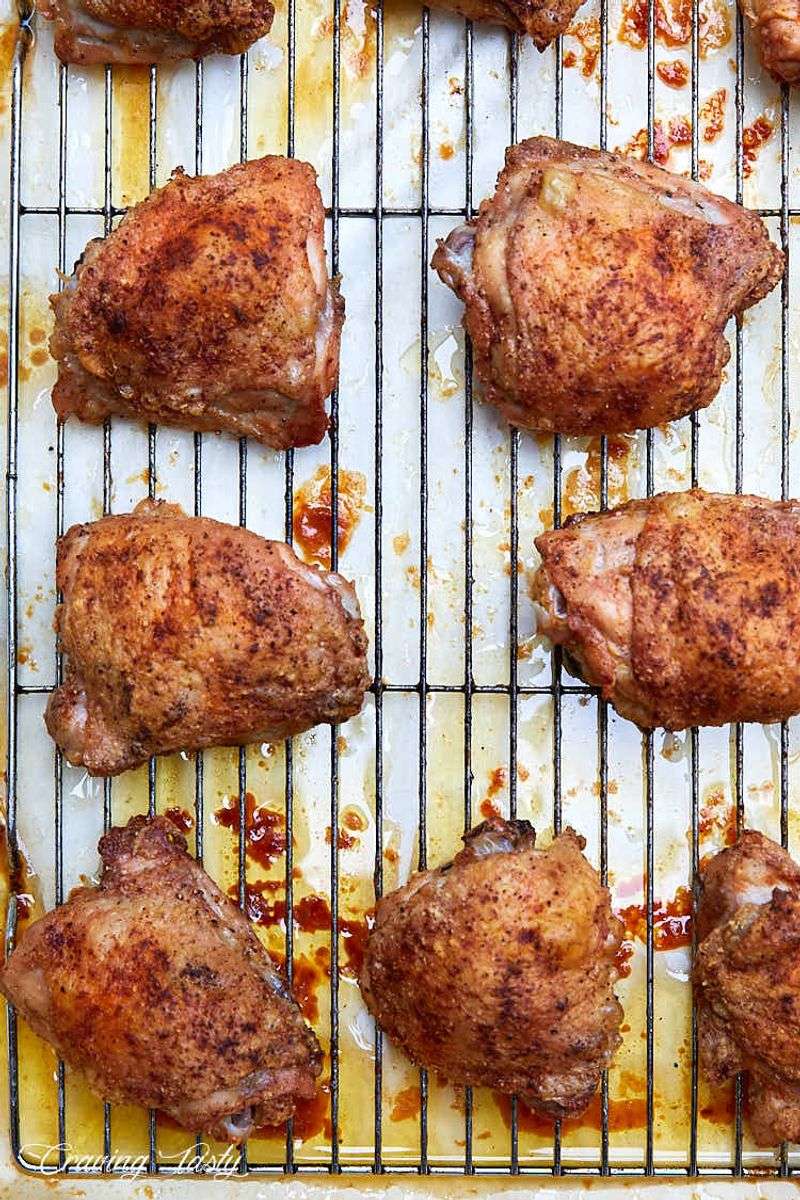
Thick pieces like bone-in thighs and drumsticks present a challenge: getting the inside fully cooked without burning the outside. Many restaurants solve this by finishing the chicken in an oven after an initial fry.
The chicken gets a quick fry to set the crust and build color, then goes into a 350-degree oven to cook through gently. This two-step method gives you a safer, more consistent result.
The crust stays crispy, the inside reaches a safe temperature, and nothing ends up raw or overdone.
17. Scoring the Meat for Better Flavor Penetration
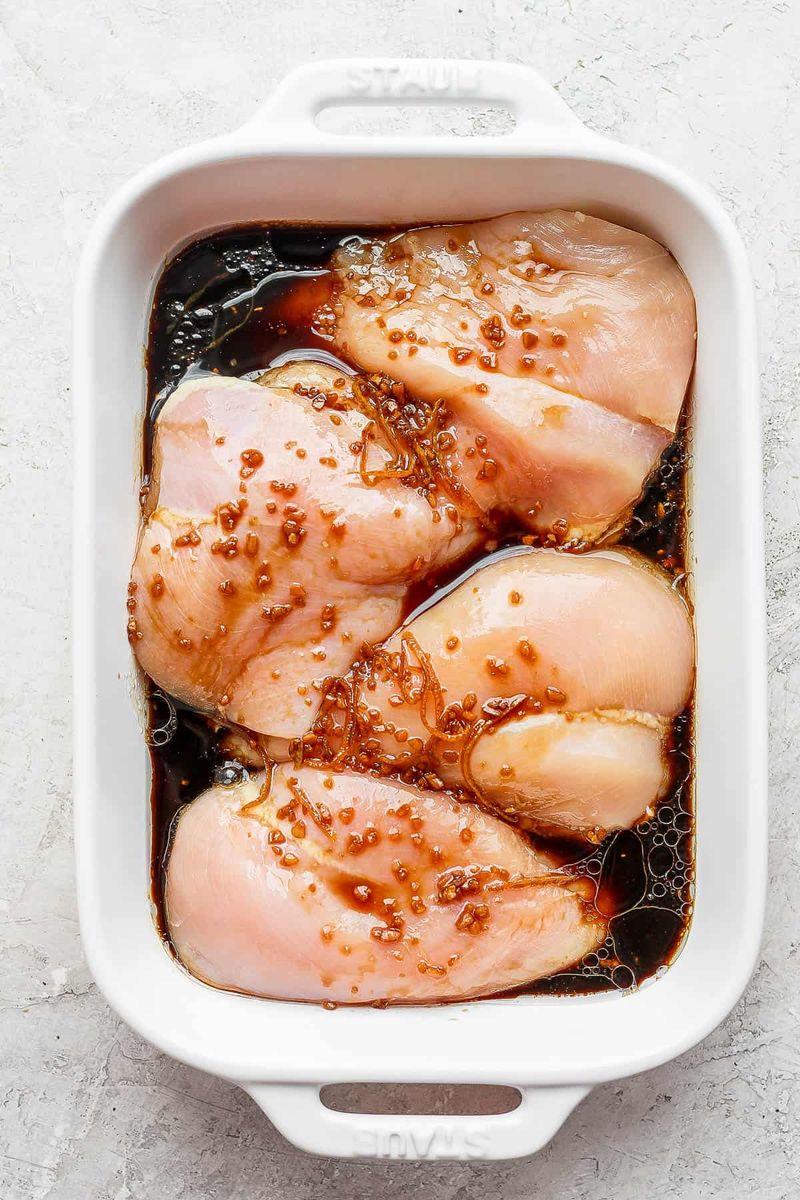
Scoring chicken, which means making shallow cuts into the meat before marinating, is a technique used in many restaurant kitchens to maximize flavor. Those small cuts allow the brine and buttermilk to reach deeper into the muscle rather than just sitting on the surface.
The result is chicken that tastes seasoned all the way through, not just on the outside. Scoring also helps the meat cook more evenly since the heat can penetrate faster.
A sharp knife and a few quick slashes are all it takes to make a noticeable difference.
18. Serving at the Right Temperature Seals the Deal
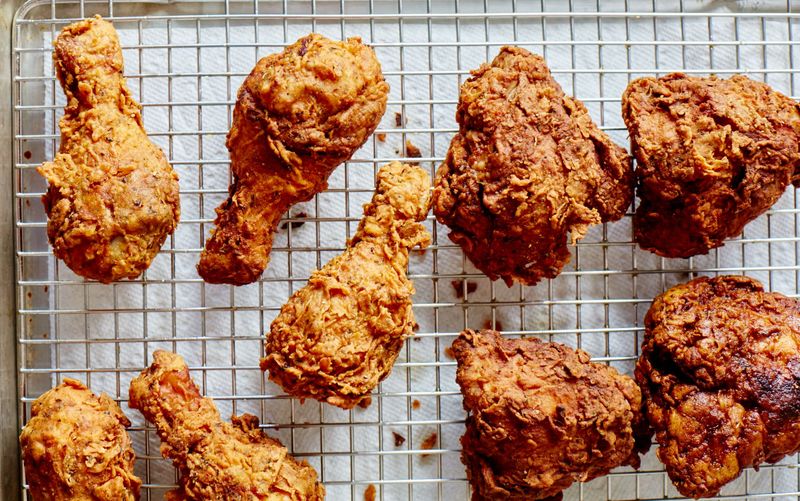
Even the most perfectly fried chicken can disappoint if it is served too cold or left sitting too long. Restaurants know that fried chicken tastes best when it is served within a specific window after cooking, usually between five and fifteen minutes out of the fryer.
Holding cabinets set to the right temperature keep chicken hot and crispy without continuing to cook it. At home, a low oven around 200 degrees works as a holding spot.
Serving at the right moment is the final detail that pulls the whole experience together.


Comments
No Comments