













Japan has one of the most exciting food cultures in the world, and sushi is just the beginning. From steaming bowls of noodles to crispy fried snacks, Japanese cuisine is packed with flavors, textures, and traditions that go back hundreds of years.
Many of these dishes are enjoyed daily by people across Japan, yet they rarely get the spotlight they deserve. Get ready to explore some truly amazing foods that might just become your new favorites.
1. Ramen
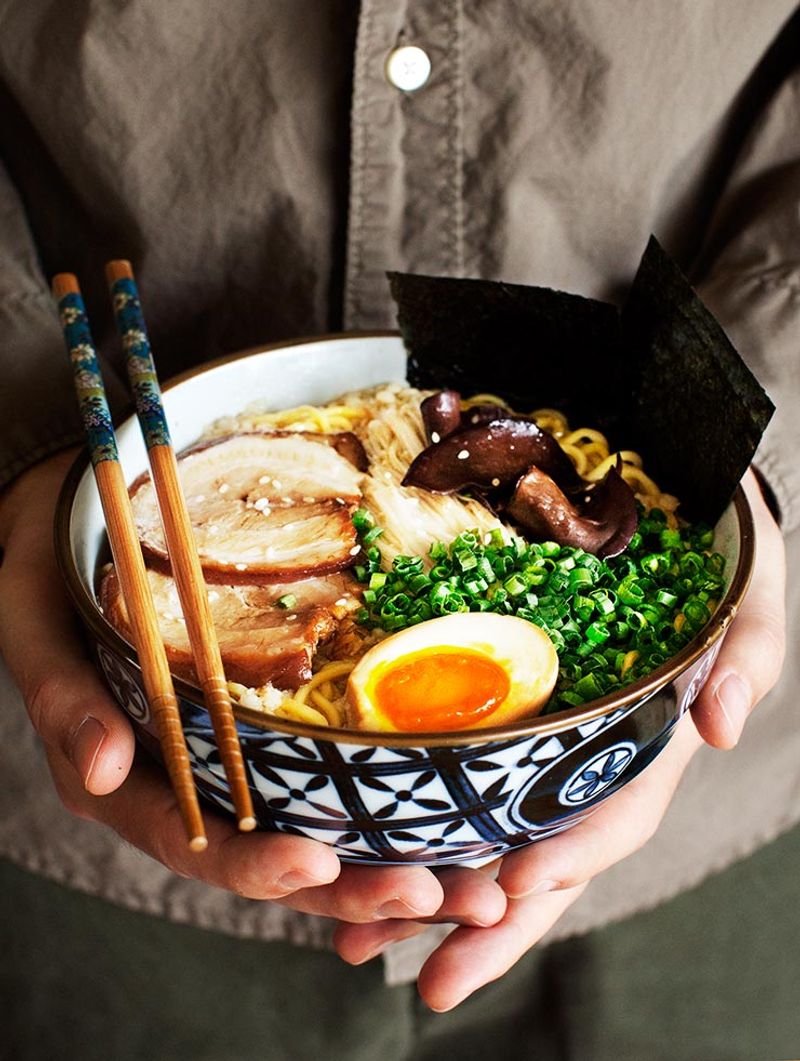
Few foods in Japan carry the same kind of devoted fan following as ramen. This noodle soup goes way beyond instant packets - real ramen is slow-cooked broth paired with springy wheat noodles and carefully chosen toppings.
Each region of Japan has its own spin, from the rich pork-bone tonkotsu of Fukuoka to the miso-based bowls of Hokkaido. Ramen shops often have lines out the door, and for good reason.
One slurp and you will understand the hype completely.
2. Tempura
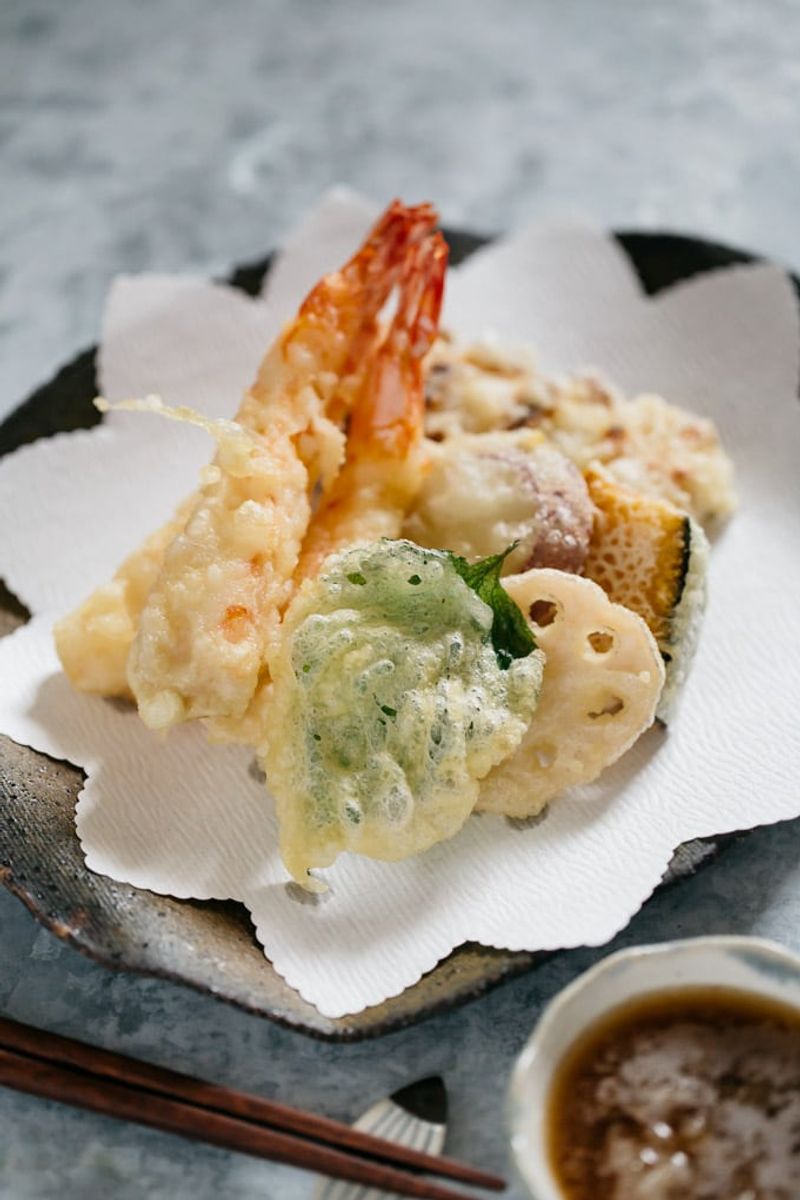
Crispy on the outside and tender on the inside, tempura is one of Japan's most beloved cooking styles. Vegetables and seafood are dipped in a light, airy batter and quickly fried to golden perfection.
What makes tempura special is how delicate the batter is - it does not overpower the ingredient underneath. Served with a light dipping sauce and grated radish, it feels elegant without being heavy.
Surprisingly, this dish was actually introduced to Japan by Portuguese missionaries in the 1500s.
3. Takoyaki
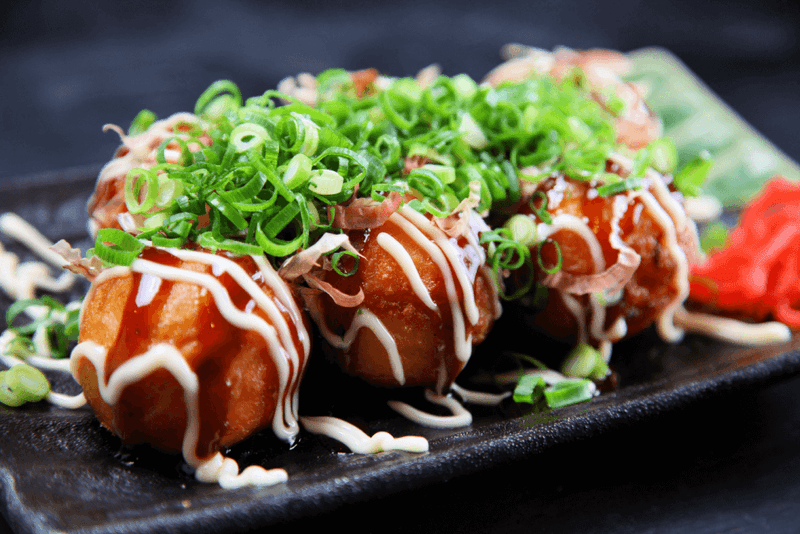
Imagine biting into a perfectly round, golden ball filled with tender octopus and a burst of savory flavor - that is takoyaki in a nutshell. These little snacks are a staple of Osaka street food culture and are cooked in a special cast iron pan with round molds.
Topped with tangy sauce, creamy mayo, and dancing bonito flakes, they are as fun to watch being made as they are to eat. Street vendors across Japan sell them piping hot.
4. Okonomiyaki
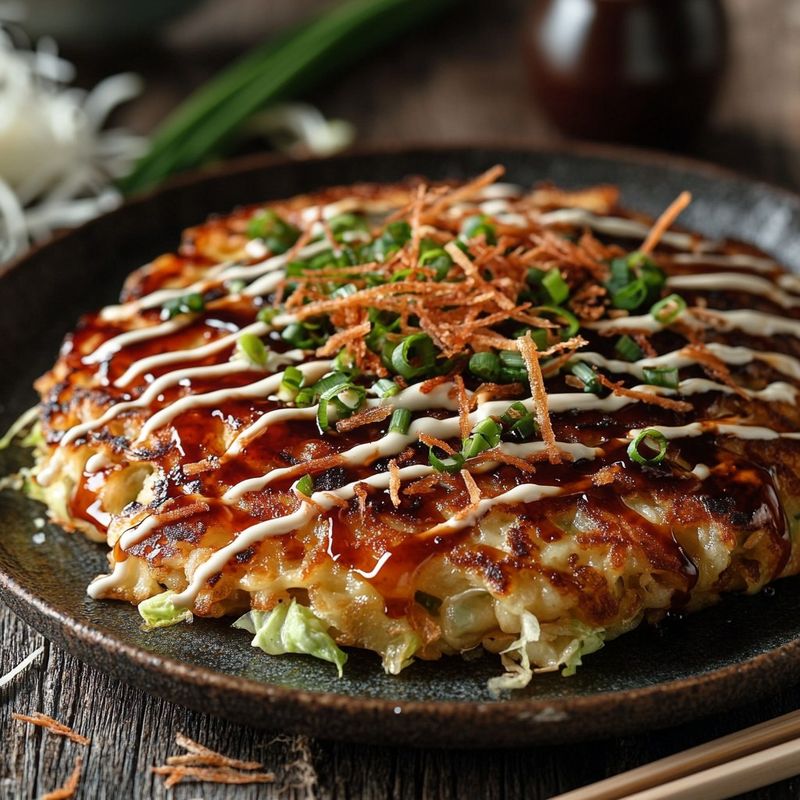
Okonomiyaki is often called a Japanese savory pancake, but that description barely scratches the surface. The name literally means "grilled as you like it," which hints at just how customizable this dish can be.
Cabbage, batter, and your choice of meat or seafood are griddled together into a thick, satisfying patty. In some restaurants, you cook it yourself at your own table, which makes the whole meal feel like a fun experience.
The toppings - sauce, mayo, and flakes - seal the deal.
5. Miso Soup
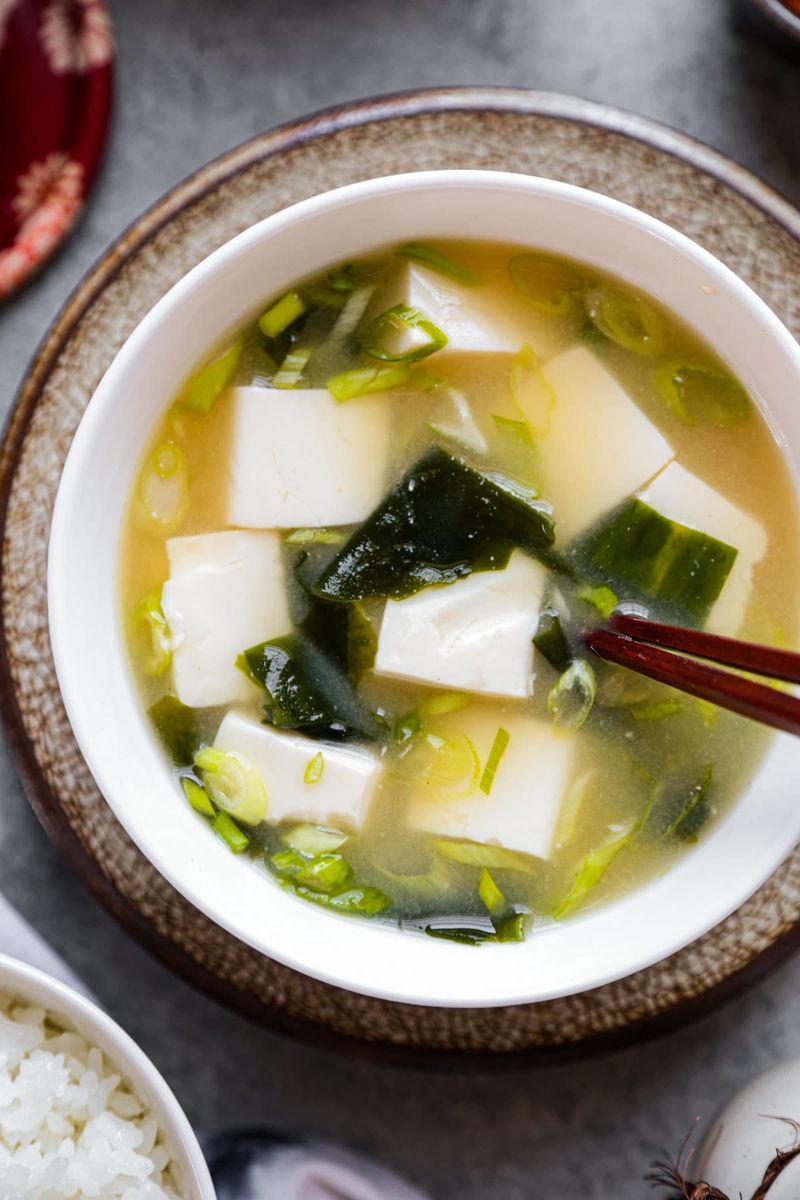
Warm, simple, and deeply comforting, miso soup has been a part of Japanese meals for over a thousand years. Made from fermented soybean paste dissolved in dashi broth, it has a rich, umami flavor that feels like a hug in a bowl.
Tofu, seaweed, and green onions are classic additions, though families often add their own twists. It is typically served alongside rice at breakfast, lunch, and dinner.
Miso also happens to be packed with healthy probiotics, making it as good for you as it tastes.
6. Onigiri
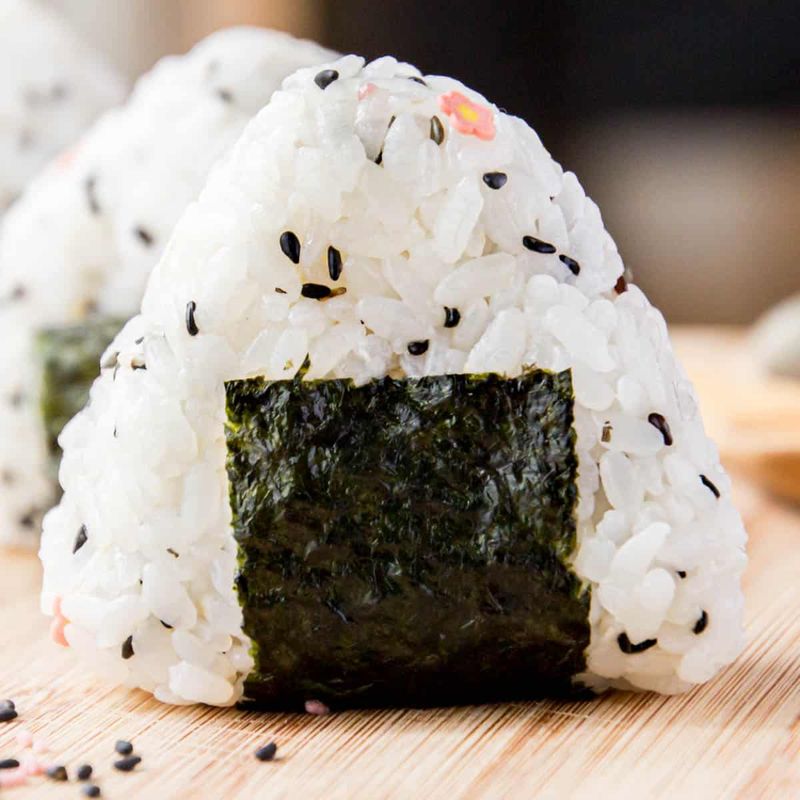
Walk into any convenience store in Japan and you will find rows of onigiri waiting for you. These hand-pressed rice balls are wrapped in crispy seaweed and stuffed with fillings like salmon, pickled plum, or seasoned tuna.
They have been eaten in Japan since at least the 11th century, making them one of the oldest portable meals around. Simple, filling, and endlessly customizable, onigiri proves that some of the best food does not need to be complicated.
They are the original grab-and-go snack.
7. Yakitori
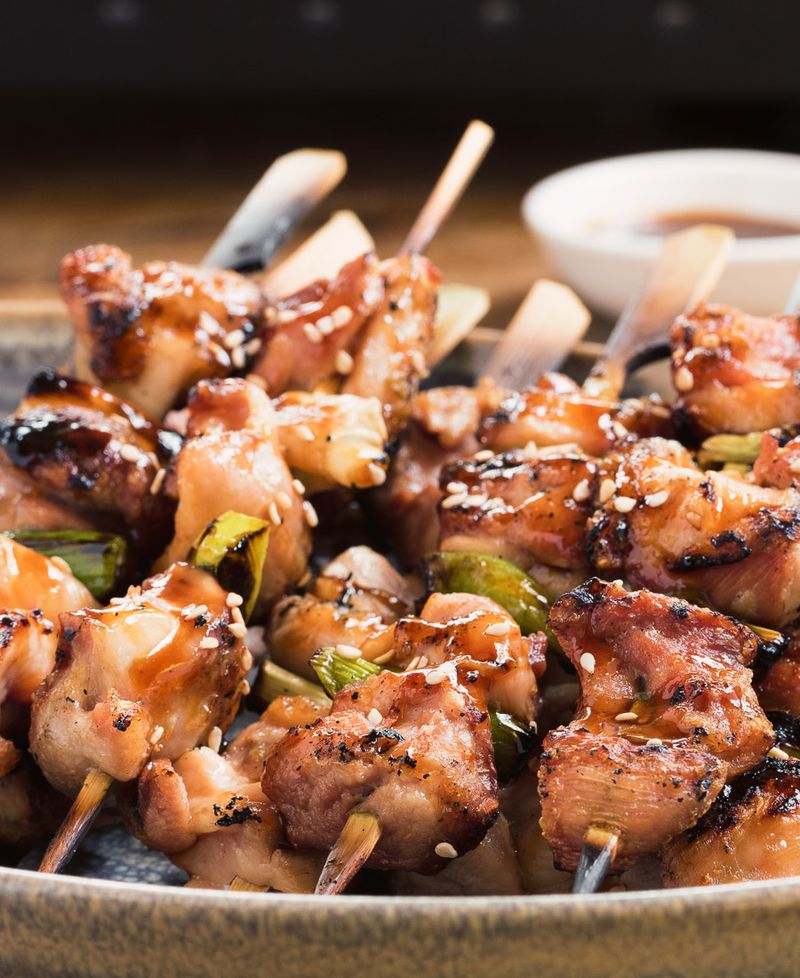
There is something almost magical about the smell of yakitori grilling over hot charcoal on a warm evening. Bite-sized pieces of chicken are skewered and cooked with either a salty seasoning or a sweet soy-based glaze called tare.
Every part of the chicken gets used, from thigh meat to crispy skin to tender hearts, which might sound adventurous but tastes incredible. Yakitori stalls are a big part of Japanese nightlife culture, especially around train stations after work hours.
It is casual, satisfying, and totally addictive.
8. Soba Noodles
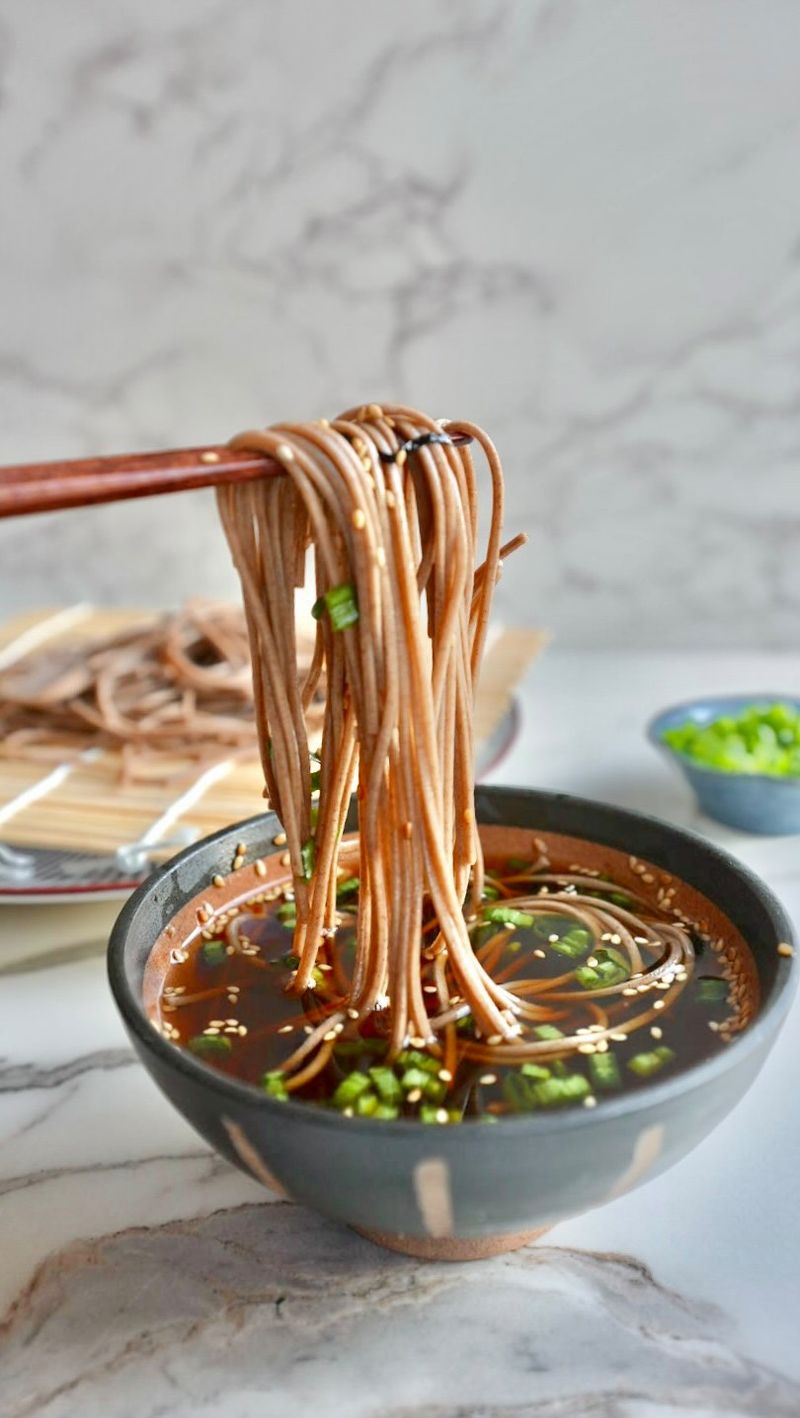
Made from buckwheat flour, soba noodles have a nutty, earthy flavor that sets them apart from other Japanese noodles. They can be served hot in a delicate broth or chilled on a bamboo tray with a dipping sauce on the side.
Cold soba, known as zaru soba, is especially popular in summer and feels refreshingly light. Buckwheat has been grown in Japan for centuries, and soba carries a long cultural history tied to New Year celebrations.
A bowl of soba is both humble and deeply satisfying.
9. Udon
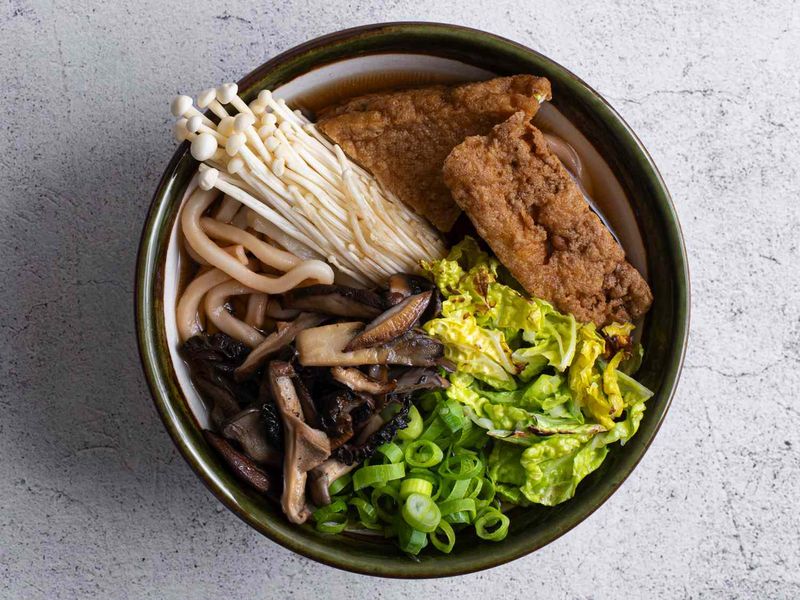
Udon noodles are thick, chewy, and wonderfully satisfying in a way that feels almost cozy. Made from wheat flour, they are much wider than ramen noodles and absorb broth beautifully, making every bite flavorful from start to finish.
Kitsune udon, topped with sweet fried tofu, is one of the most beloved versions, while nabeyaki udon is served in a hot clay pot. Udon can be enjoyed year-round and works just as well in hot broth as it does in a cold sauce.
It is total comfort food.
10. Tonkatsu
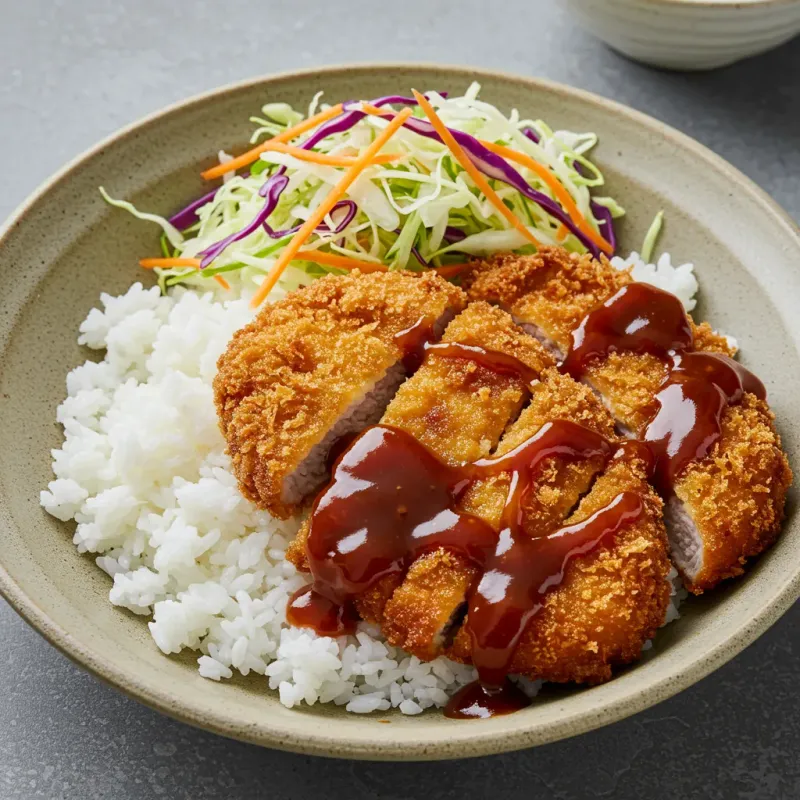
Tonkatsu might be the ultimate Japanese comfort food for meat lovers. A thick pork cutlet is coated in crunchy panko breadcrumbs and deep-fried until deeply golden, then sliced into strips and served with shredded cabbage and a rich, fruity sauce.
The contrast between the crispy coating and the juicy pork inside is absolutely satisfying. It was first introduced in Tokyo in the 1800s as a Western-influenced dish, but Japan made it entirely its own.
Paired with rice and miso soup, it is a complete, hearty meal.
11. Gyoza
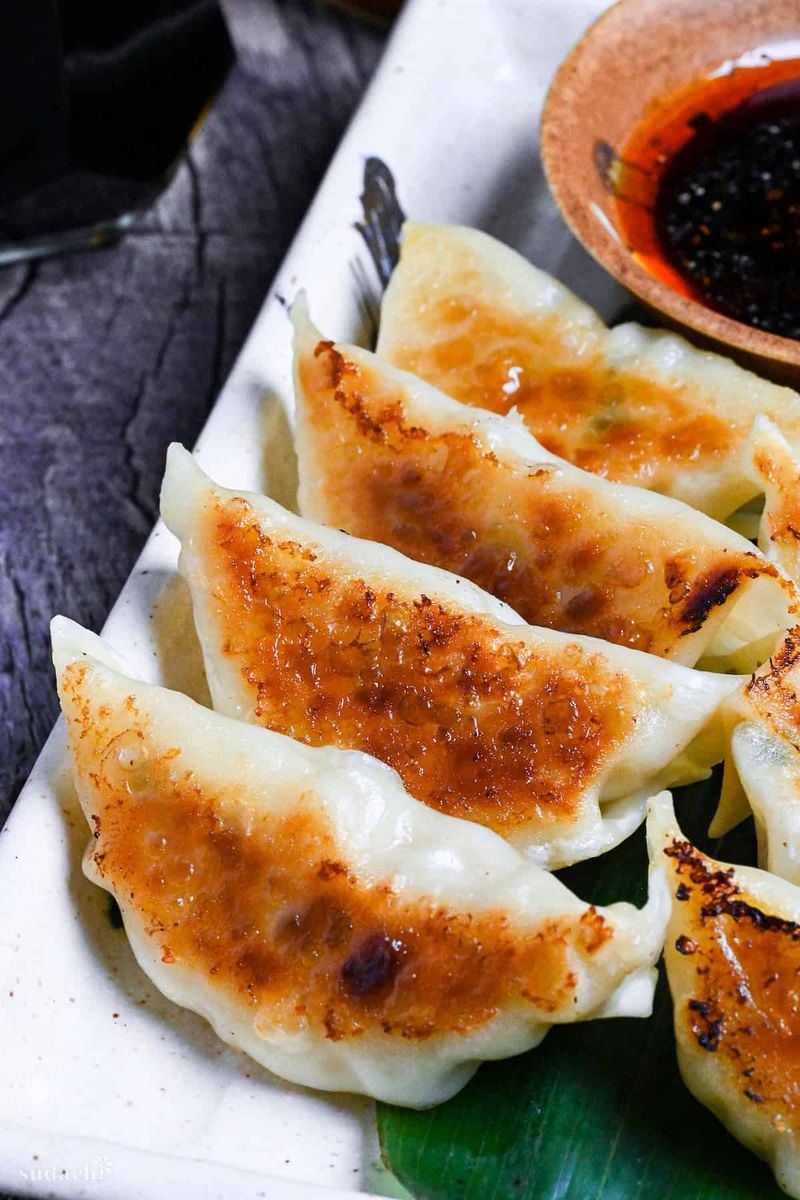
Gyoza are Japan's answer to dumplings, and once you try the real thing, frozen versions will never quite measure up. These crescent-shaped parcels are filled with a seasoned mixture of ground pork, cabbage, garlic, and ginger, then pan-fried to create a crispy bottom with a steamed, tender top.
The technique is called yaki-gyoza, and it gives each dumpling two amazing textures at once. Dipped in a mix of soy sauce, vinegar, and chili oil, they are absolutely irresistible.
Every izakaya in Japan serves them.
12. Shabu-Shabu
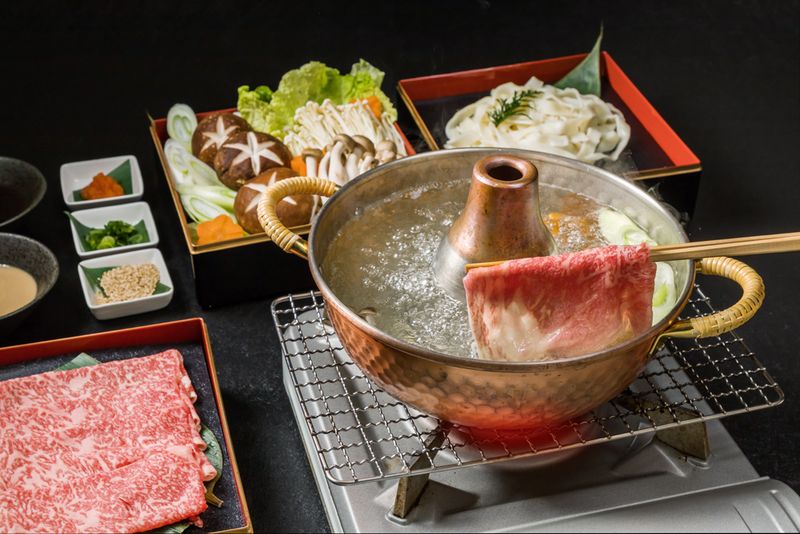
Shabu-shabu is a dining experience as much as it is a meal. Thin slices of high-quality beef are swished briefly through a pot of simmering broth at the table - the name actually mimics the swishing sound the meat makes.
The beef cooks in seconds and is then dipped in sesame sauce or ponzu before eating. Vegetables, tofu, and noodles round out the meal.
It is a social, interactive way to eat that brings people together, making it popular for family dinners and celebrations alike.
13. Kaiseki
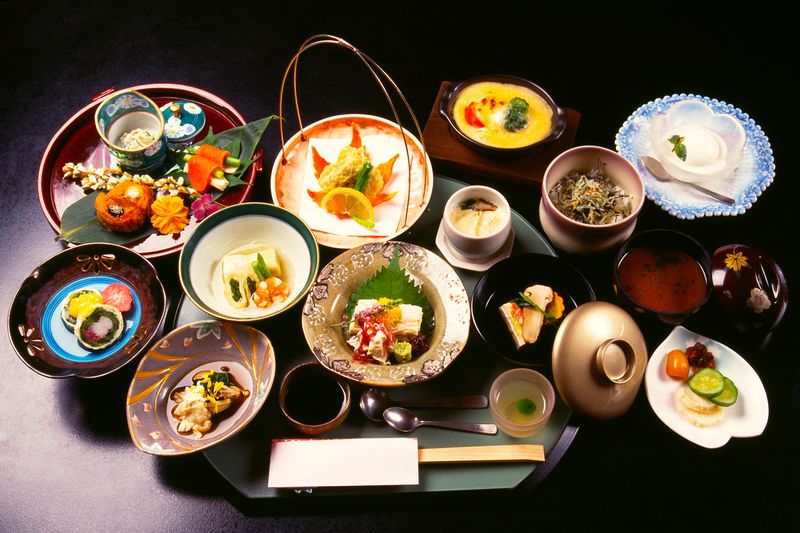
Kaiseki is Japanese cuisine at its most artistic and refined. It is a multi-course meal where each dish is carefully designed to reflect the season, balance flavors, and showcase the chef's skill with beautiful presentation.
Originating from the tea ceremony tradition, kaiseki menus often feature over ten small courses made with the freshest local ingredients. Eating kaiseki feels like attending an art show where every plate is a masterpiece.
It is not an everyday meal, but experiencing it once is truly unforgettable and worth every moment.
14. Natto
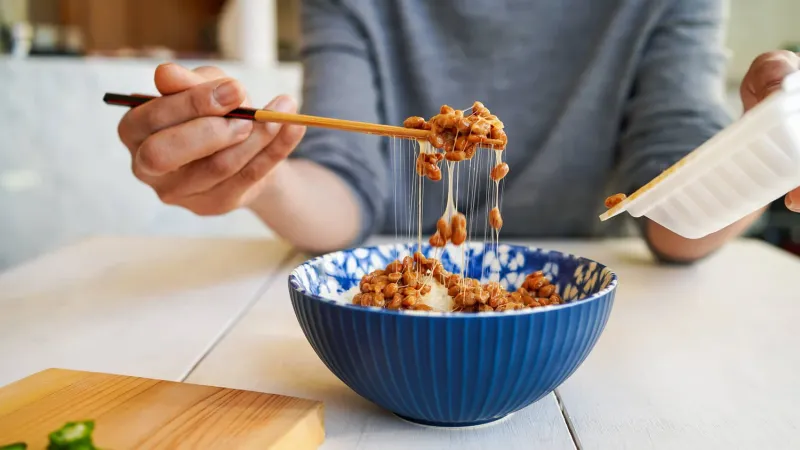
Natto is not for the faint of heart - it is fermented soybeans with a sticky, stringy texture and a powerful smell that surprises most first-time eaters. But in Japan, it is a beloved breakfast staple that has been eaten for over a thousand years.
Mixed with mustard and soy sauce, then piled onto rice, natto develops a complex, savory flavor that fans swear by. It is also one of the healthiest foods you can eat, loaded with protein, vitamins, and good gut bacteria.
15. Chawanmushi
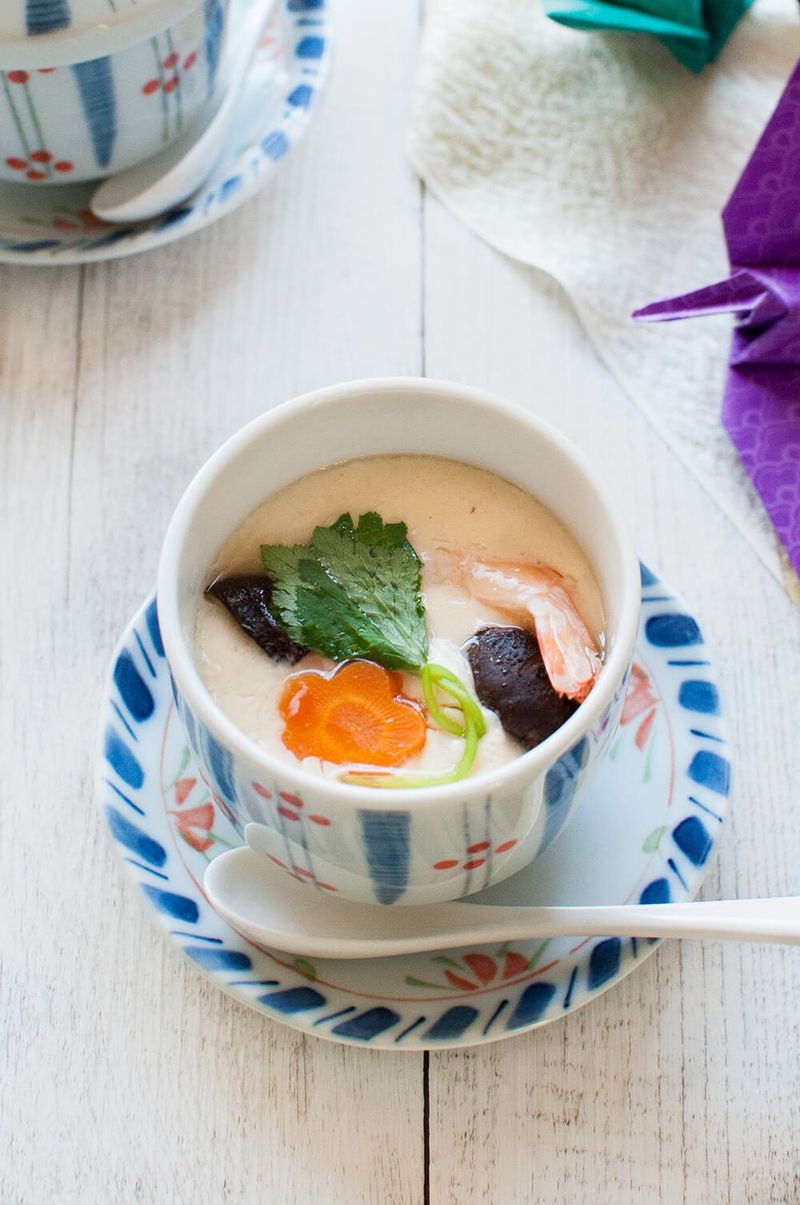
Silky smooth and subtly savory, chawanmushi is a steamed egg custard that feels unlike anything in Western cooking. The name means "steamed in a tea bowl," and that is exactly how it is made - eggs, dashi broth, and seasonings are gently steamed until set into a wobbly, delicate texture.
Hidden inside are little treasures like shrimp, chicken, and mushrooms. It is served warm as part of a traditional Japanese meal and is often enjoyed by children and adults alike for its gentle, comforting flavor.
16. Yakisoba
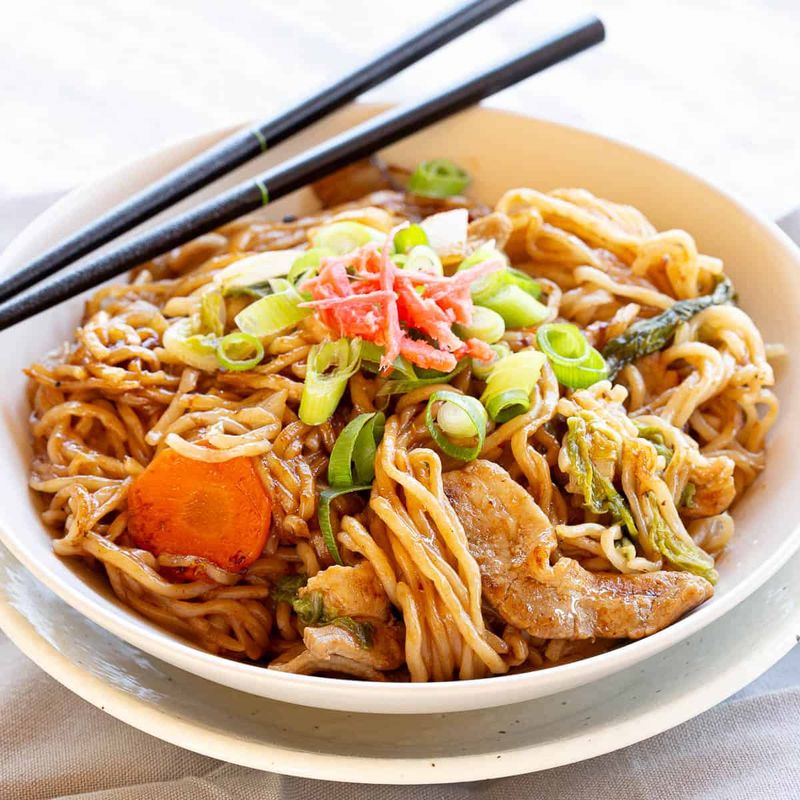
Yakisoba is the noodle dish you will find sizzling away at nearly every Japanese summer festival. Despite the name suggesting soba, these noodles are actually made from wheat and are stir-fried on a hot griddle with pork, cabbage, and a tangy brown sauce.
The smoky, caramelized flavor from the griddle gives yakisoba a distinct taste you cannot replicate at home without the right heat. Topped with pickled ginger and dried seaweed, it is bold, satisfying, and deeply tied to Japanese street food culture.
17. Tamagoyaki
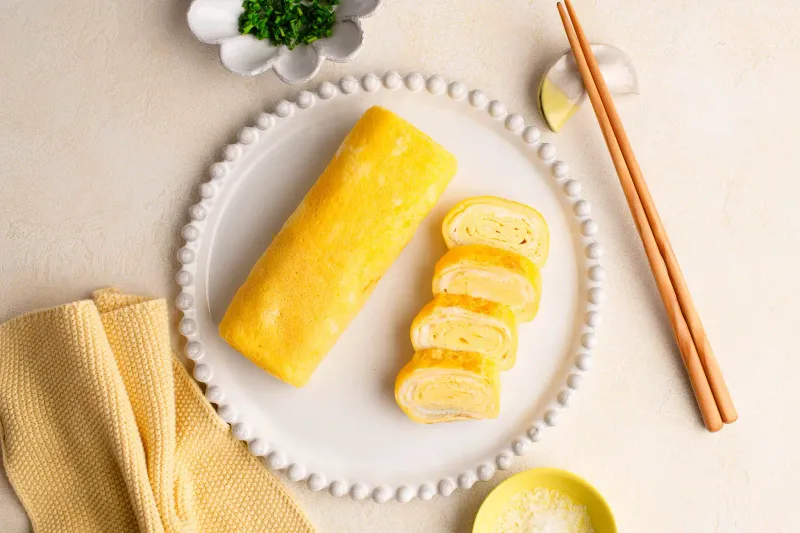
Tamagoyaki looks simple, but making it well is a true art form. This sweet, layered rolled omelette is made by pouring thin sheets of seasoned egg into a rectangular pan and rolling each layer over the last to create a tightly packed log with visible golden layers inside.
It has a soft, slightly sweet flavor from mirin and soy sauce, making it a popular addition to bento boxes and traditional breakfasts. Watching a skilled Japanese chef make tamagoyaki is genuinely mesmerizing - it takes real practice and patience to perfect.
18. Matcha Wagashi
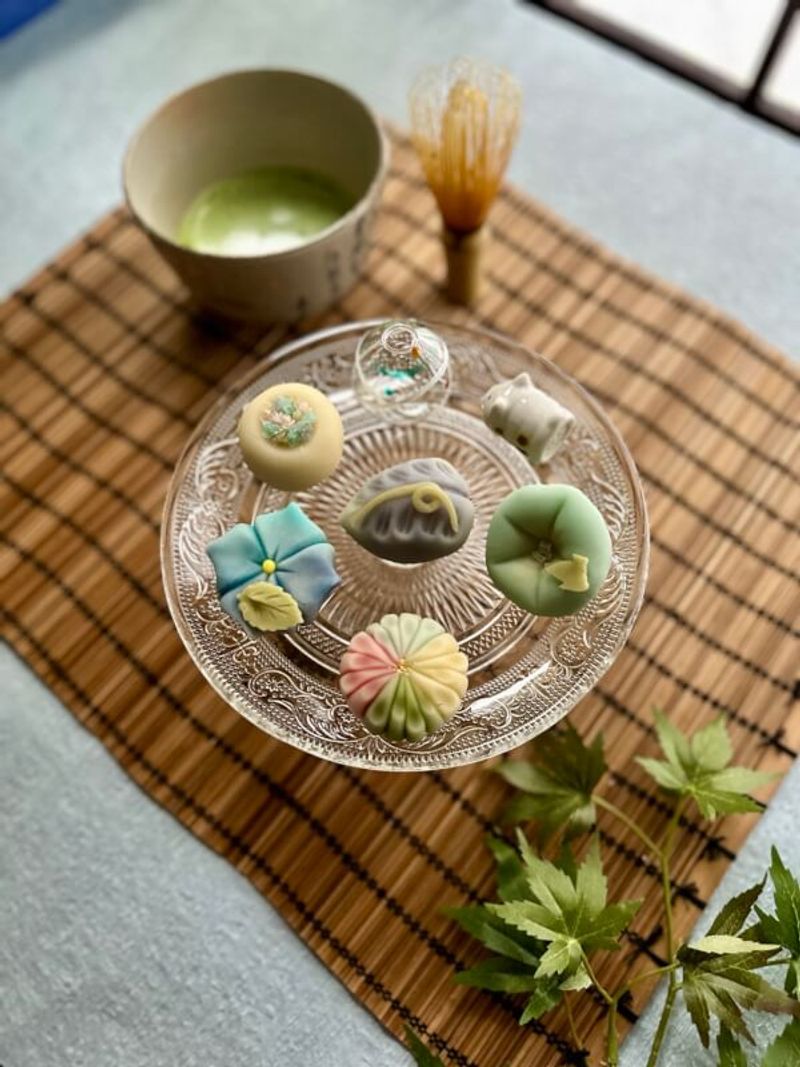
Long before Japan had cake shops and candy bars, there were wagashi - traditional Japanese sweets made from ingredients like sweet bean paste, rice flour, and matcha. These confections are designed to be as beautiful as they are delicious, often shaped like seasonal flowers or natural scenes.
Matcha wagashi, in particular, pair perfectly with a bowl of bitter green tea, balancing sweet and earthy flavors. Each piece is a small work of edible art rooted in centuries of Japanese tea ceremony culture, and tasting one feels genuinely special.




Comments
No Comments