













Honey is one of the oldest and most beloved natural sweeteners on Earth, enjoyed by humans for thousands of years. What many people do not realize is that honey can taste, look, and smell completely different depending on where it comes from and which flowers the bees visit.
From dark and bold to light and floral, every variety tells a story about its region and environment. Get ready to explore some of the most unique and delicious honey types found across the globe.
1. Manuka Honey - New Zealand
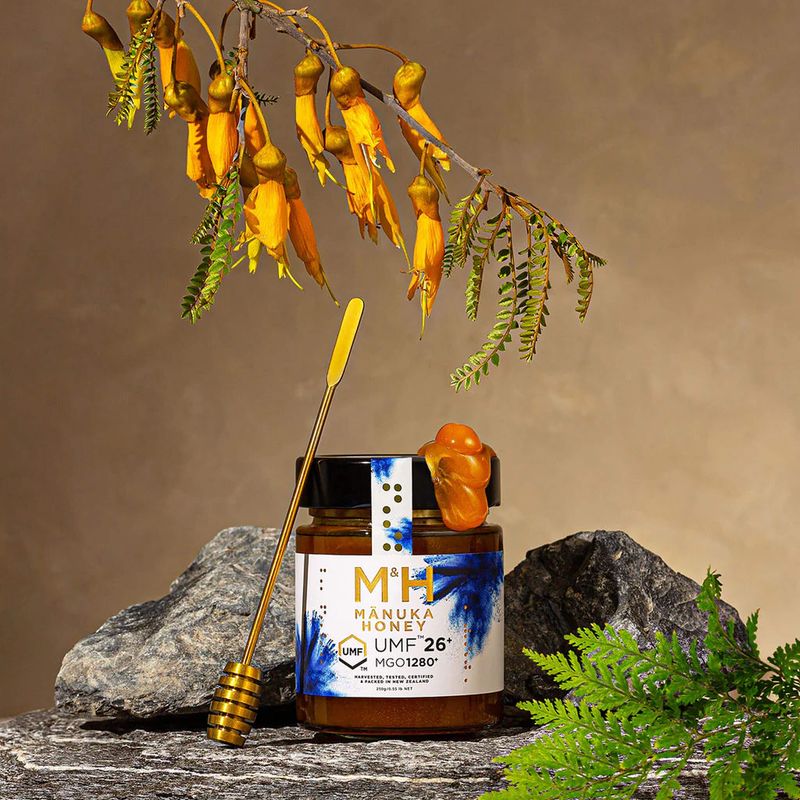
Few honeys in the world carry as much buzz as Manuka honey from New Zealand. Made by bees that pollinate the native Manuka bush, this thick, dark honey is famous for its powerful antibacterial properties.
People use it for wound healing, soothing sore throats, and supporting gut health.
Its earthy, slightly bitter flavor sets it apart from sweeter varieties. The higher the MGO rating on the label, the stronger the health benefits.
It is a true superfood straight from the hive.
2. Sidr Honey - Yemen
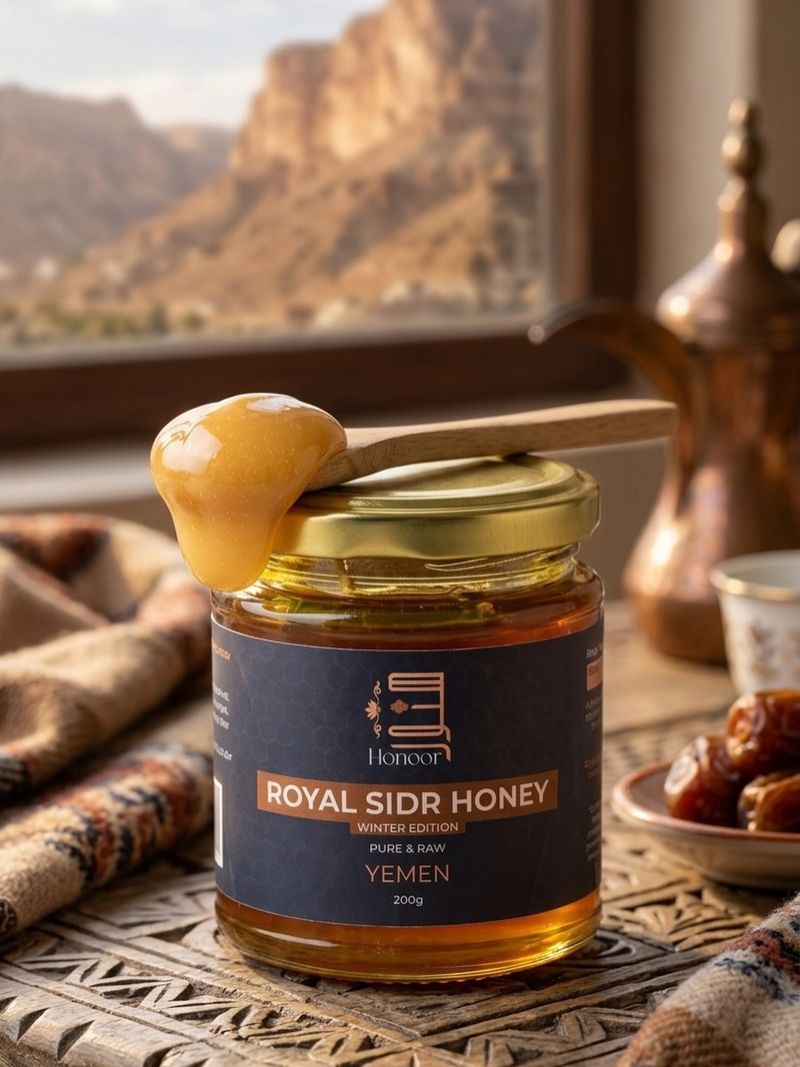
Harvested from the ancient Sidr trees of Yemen, this honey has been treasured for centuries and is often called liquid gold. Yemeni beekeepers travel deep into remote mountain valleys to collect it, making every jar a product of real effort and tradition.
Sidr honey has a rich, caramel-like sweetness with a warm, spiced undertone that lingers on the tongue. It is prized in traditional medicine and is believed to support immunity and digestion.
Genuine Sidr honey is rare and can be surprisingly expensive.
3. Acacia Honey - Romania and Hungary
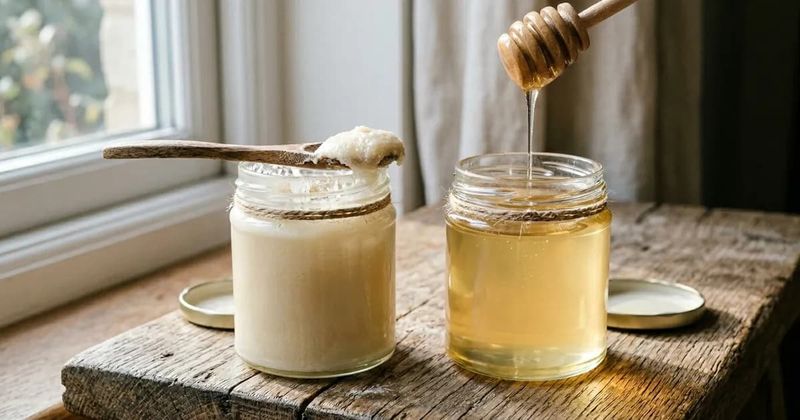
Crystal clear and almost water-white, Acacia honey is one of the most visually striking varieties you will ever see. Produced mainly in Romania and Hungary, it comes from the flowers of the Black Locust tree, which blooms briefly in spring.
Its flavor is delicate and floral with a clean sweetness that does not overpower food or drinks. Acacia honey stays liquid for a very long time without crystallizing, making it a favorite for people who prefer smooth, pourable honey year-round.
4. Tualang Honey - Malaysia
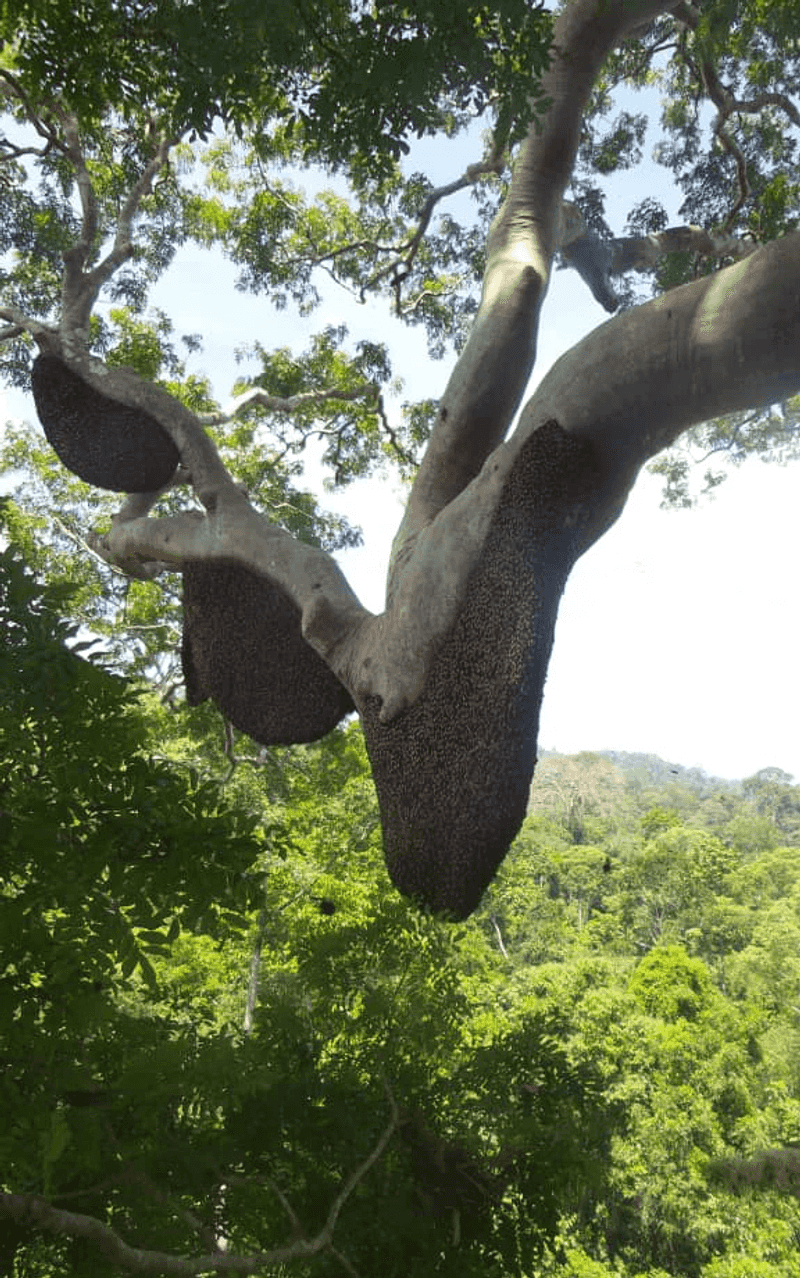
Imagine honey collected from giant combs hanging more than 80 feet off the ground in the Malaysian rainforest. That is exactly where Tualang honey comes from, built by wild bees on the towering Tualang trees.
Collecting it is a daring job done mostly at night by indigenous communities.
This honey is darker and more complex in flavor than most commercial types. Rich in antioxidants, it has been studied for potential benefits in wound care and cancer prevention.
It is wild, rare, and full of tropical character.
5. Buckwheat Honey - United States and Canada
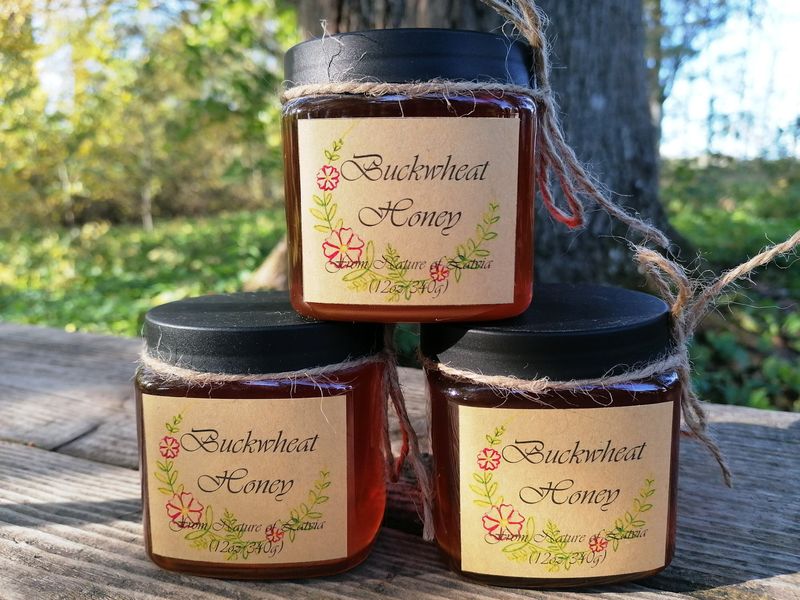
Bold, dark, and unapologetically strong, Buckwheat honey is not for the faint of heart. Popular in the northern United States and parts of Canada, it comes from buckwheat crops that bloom in late summer.
The color can range from deep purple to nearly black.
Its molasses-like flavor packs a punch that works surprisingly well in marinades, barbecue sauces, and baked goods. Studies have shown it may be even more effective than some cough syrups for soothing nighttime coughs in children.
A true powerhouse of a honey.
6. Lavender Honey - Provence, France
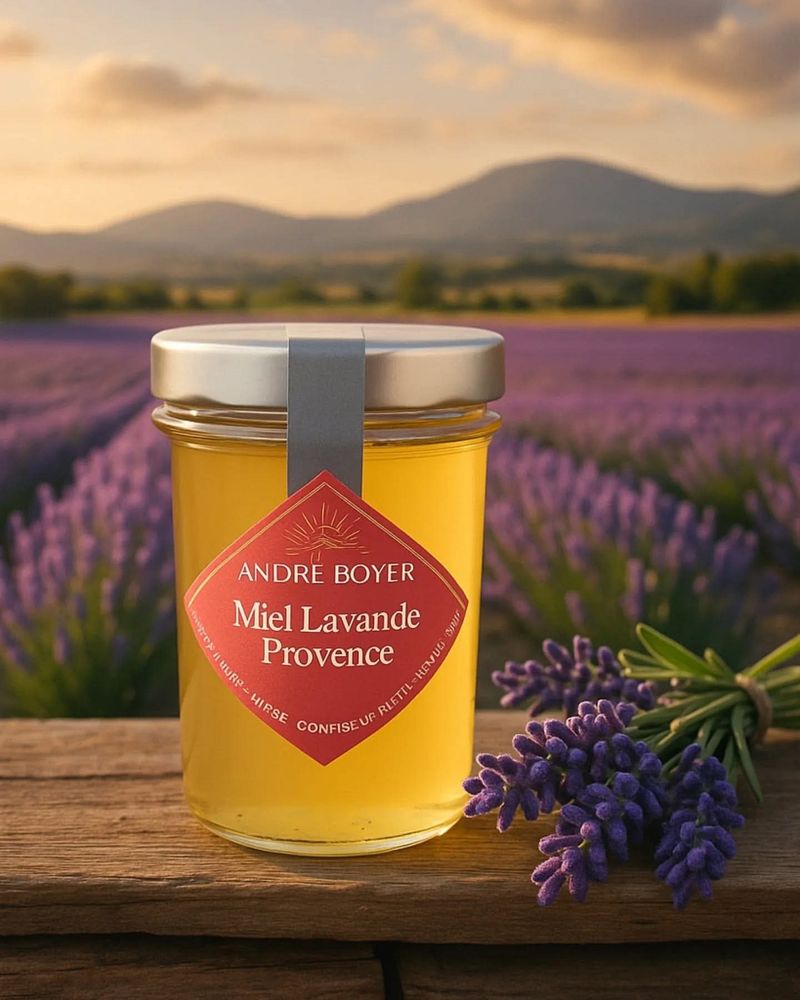
Rolling purple fields stretching to the horizon are the signature image of Provence, and the honey made there is just as beautiful. Lavender honey is light golden in color and carries the most wonderfully fragrant, floral aroma you can imagine.
The flavor is smooth and gently sweet with a hint of floral that pairs perfectly with cheese, yogurt, or warm tea. French bakers love using it in pastries.
If you want a honey that smells like a summer garden, Lavender honey from Provence is the one to try.
7. Gelam Honey - Malaysia and Indonesia
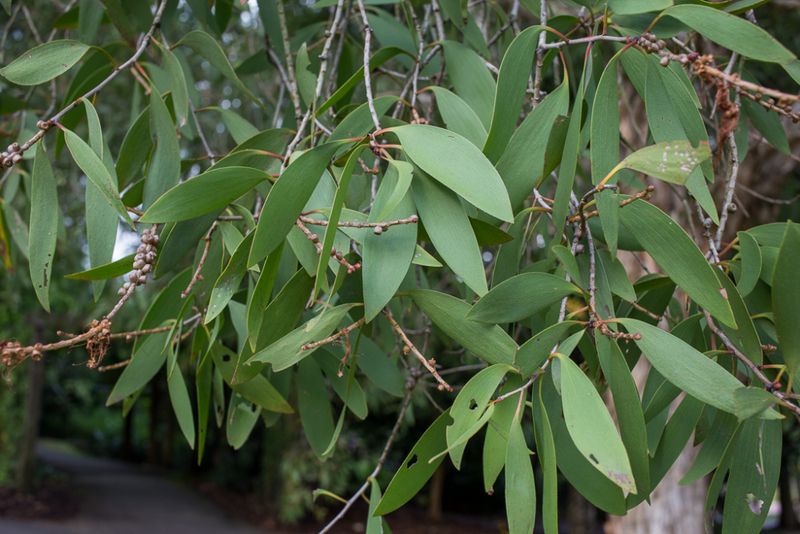
Gelam honey is a lesser-known gem from Southeast Asia, produced by bees that feed on the Gelam or Cajeput tree found across Malaysia and Indonesia. It has a warm amber color and a slightly medicinal, woody flavor that reflects the unique trees it comes from.
Traditional healers in the region have used it for generations to treat skin infections and digestive issues. Scientific studies back up many of these uses, showing strong antioxidant and antimicrobial activity.
It is a honey deeply rooted in local culture and natural medicine.
8. Leatherwood Honey - Tasmania, Australia
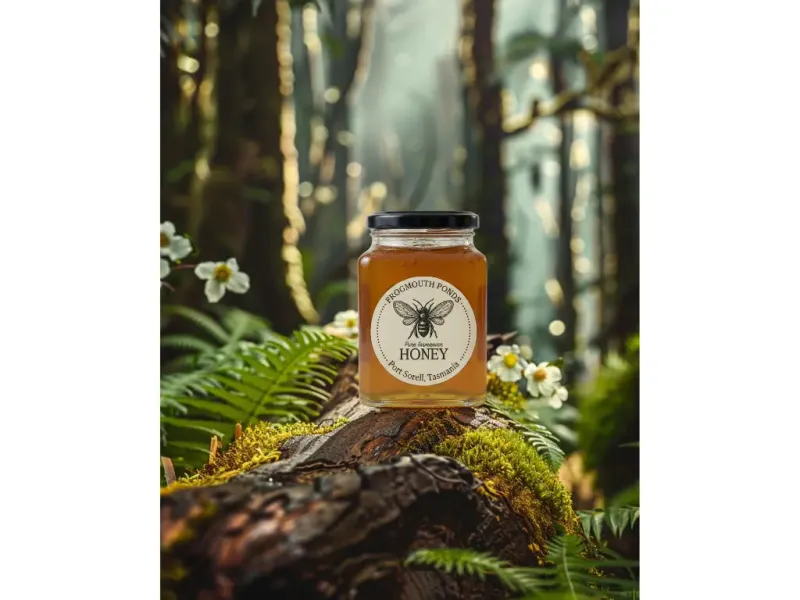
Tasmania's ancient rainforests are home to one of Australia's most prized and protected honeys. Leatherwood honey comes from the Leatherwood tree, which only grows in the wild and untouched forests of southwestern Tasmania.
The bees do all the work in one of the most pristine environments on Earth.
The flavor is bold and spicy with a distinctive floral note that surprises first-time tasters. It crystallizes into a creamy texture over time and is exported worldwide.
Each jar truly captures the spirit of Tasmania's wild, unspoiled wilderness.
9. Thyme Honey - Greece
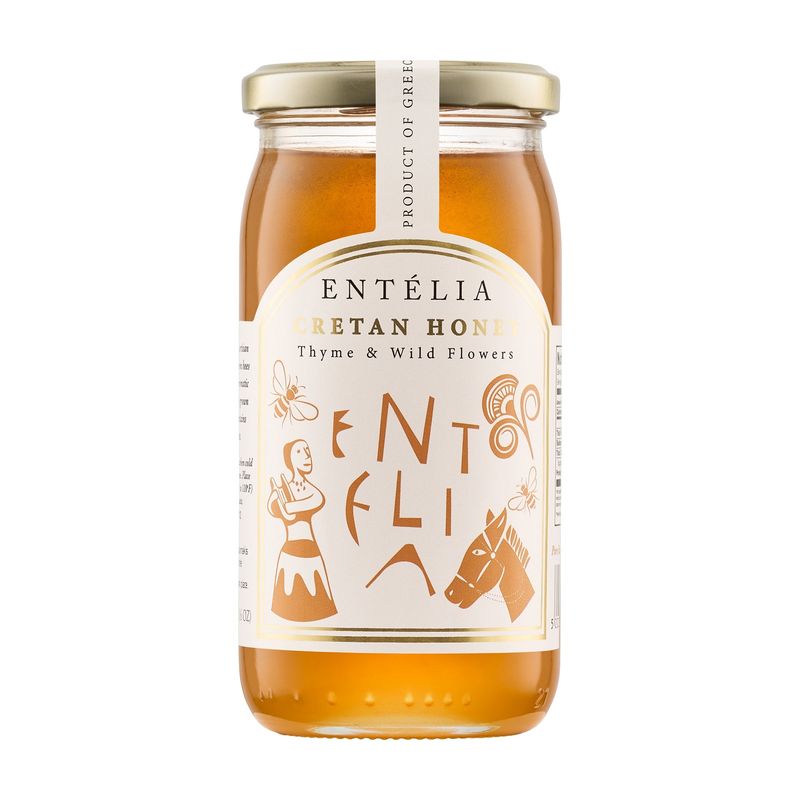
Greece has been producing exceptional honey for thousands of years, and Thyme honey is the crown jewel of Greek beekeeping. Made from wild thyme that grows on rocky hillsides, especially on the island of Crete, this honey has an intense, herby-sweet aroma that is instantly recognizable.
Ancient Greeks believed thyme honey had powerful healing properties, and modern science agrees it is packed with antioxidants. The flavor is strong and aromatic, pairing beautifully with Greek yogurt or aged cheeses.
It is a taste of ancient tradition in every spoonful.
10. Tupelo Honey - Georgia and Florida, USA
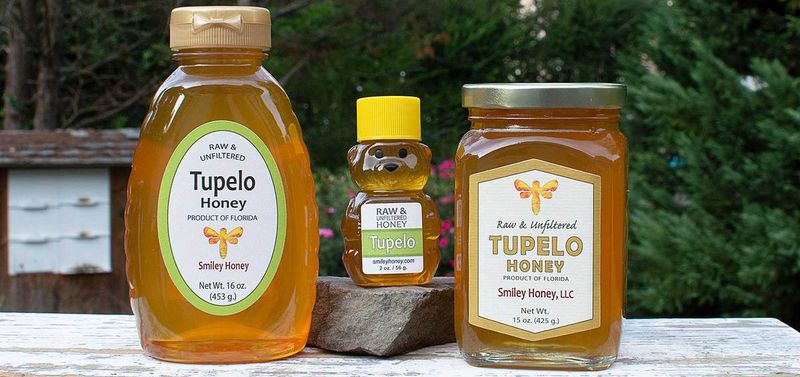
Made famous by a Van Morrison song, Tupelo honey is as poetic as its name suggests. Harvested from White Tupelo trees that bloom along the river swamps of Georgia and Florida, this honey has a very short harvest window of just a few weeks each spring.
Its buttery, fruity flavor is mild and sophisticated, and it rarely crystallizes because of its unique sugar composition. Beekeepers float their hives on river barges to reach the blooms.
Tupelo honey is a true American treasure tied to the culture of the Deep South.
11. Sidr Honey - Pakistan (Himalayan Region)
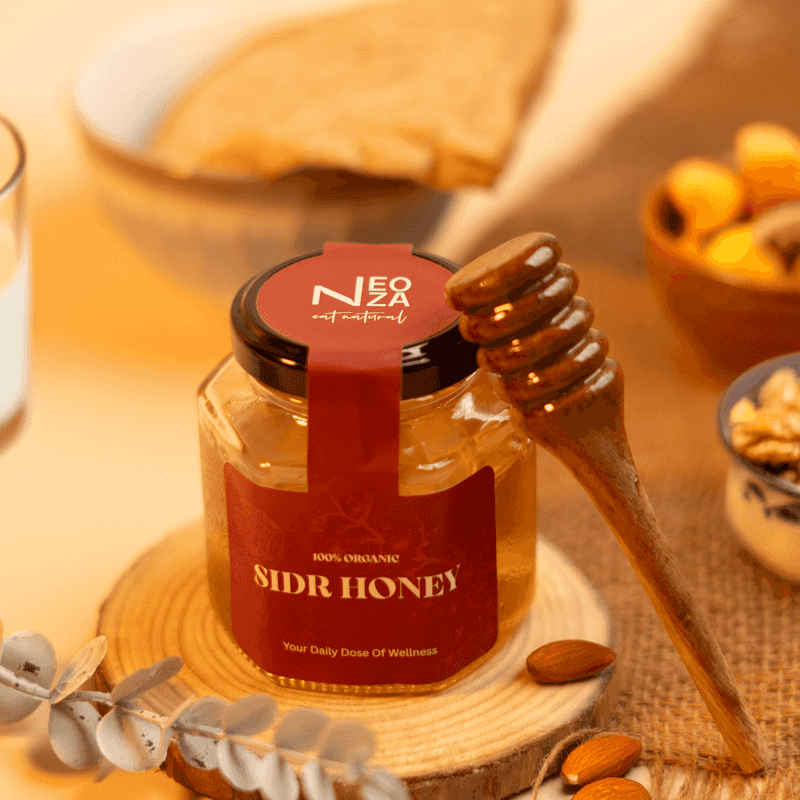
Not far from the well-known Yemeni variety, Pakistan also produces its own version of Sidr honey, collected from Sidr trees growing in the foothills of the Himalayas and the Salt Range. Local beekeepers have practiced this craft for generations using traditional methods passed down through families.
Pakistani Sidr honey tends to be slightly lighter than its Yemeni counterpart but shares a similarly rich, sweet flavor with warm undertones. It is highly valued locally for its medicinal properties and is becoming increasingly recognized in international markets as a premium product.
12. Forest Honey (Honeydew Honey) - Germany and Slovenia
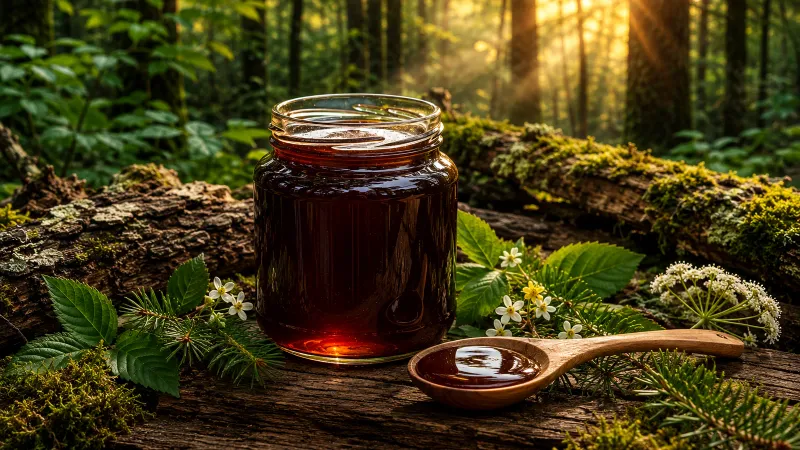
Forest honey is unlike anything most people expect honey to be. Instead of coming from flower nectar, it is made from honeydew, a sweet sticky substance produced by sap-sucking insects on forest trees like fir and oak.
Bees collect this honeydew and transform it into something magical.
Popular in Germany and Slovenia, this honey is very dark, almost black, with a rich malty flavor that hints at caramel and resin. It has a low glycemic index compared to many floral honeys.
Forest honey lovers say once you try it, nothing else quite compares.
13. Neem Honey - India
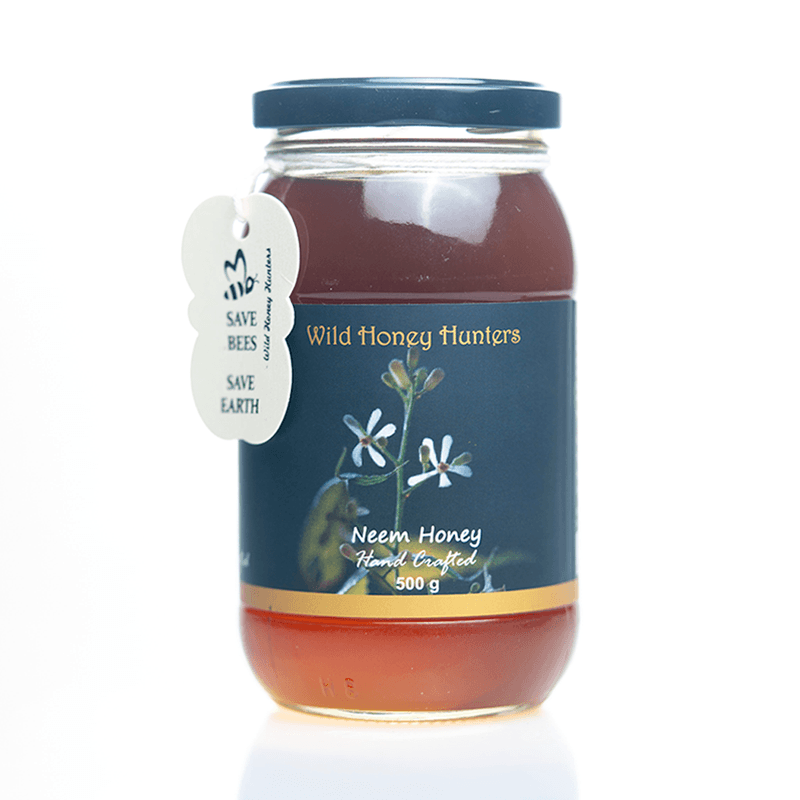
In India, the Neem tree is considered sacred and has been used in Ayurvedic medicine for over 4,000 years. Neem honey carries that ancient healing legacy in every drop.
Bees collect nectar from Neem blossoms, giving this honey a slightly bitter, earthy flavor that is quite different from typical sweet honeys.
It is widely used to help manage blood sugar levels, support skin health, and fight infections. The bitter taste might surprise new tasters, but fans of Neem honey appreciate its complex, medicinal character.
It is a honey with serious purpose and deep roots in Indian tradition.
14. Borage Honey - New Zealand and Chile
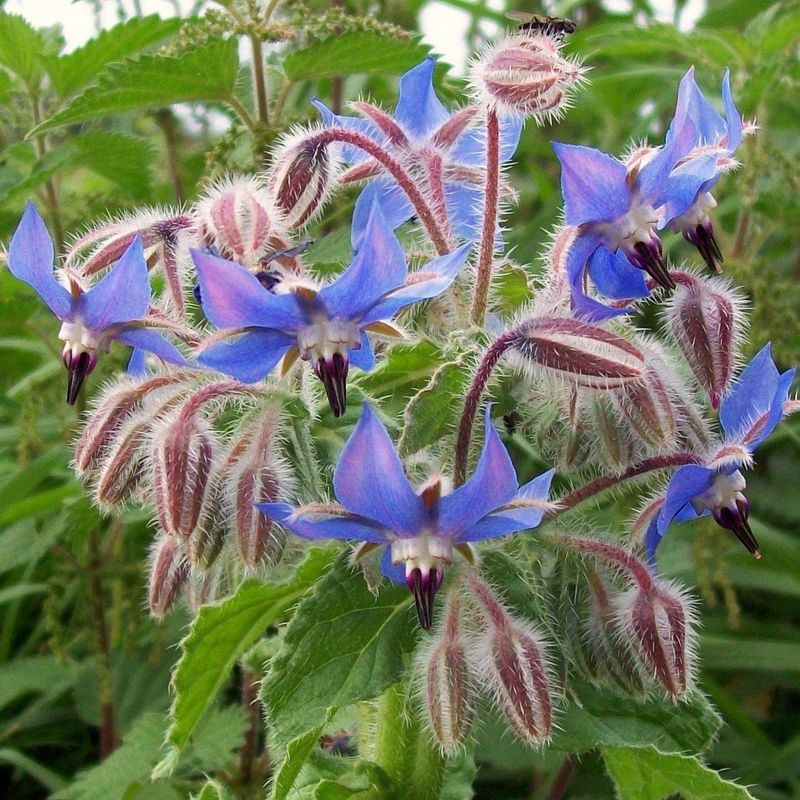
Borage honey is one of the palest and purest-looking honeys you will ever come across. Produced in New Zealand and Chile from the striking blue star-shaped Borage flower, this honey is almost white in color and has a very mild, clean, slightly floral flavor.
It crystallizes quickly into a smooth, creamy texture that spreads easily like butter, making it popular for toast and baking. Borage itself has a long history in herbal medicine for calming the mind and reducing stress.
This honey is as beautiful to look at as it is to eat.
15. Sunflower Honey - Ukraine and Bulgaria
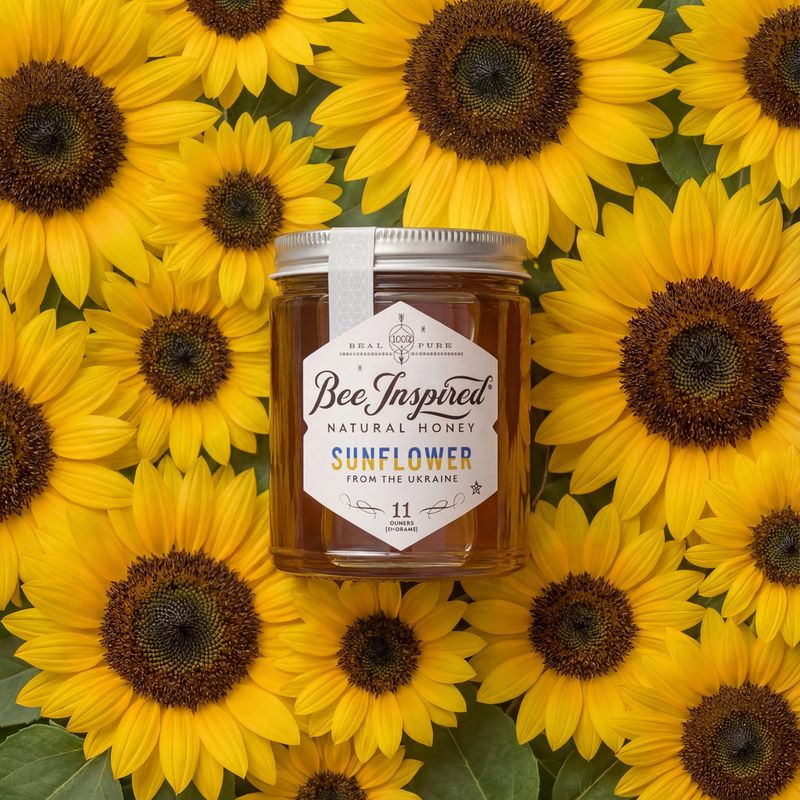
Ukraine and Bulgaria are two of the largest sunflower producers in the world, so it makes sense that sunflower honey is a staple in both countries. Bright golden and cheerful in color, this honey has a mild, sweet flavor with a slightly waxy finish that is very pleasant.
Sunflower honey crystallizes quickly, often turning grainy within weeks of being harvested, which some people actually prefer for spreading on bread. It is affordable, widely available, and a great everyday honey.
For many families in Eastern Europe, it is simply the taste of home.
16. Macadamia Honey - Hawaii, USA
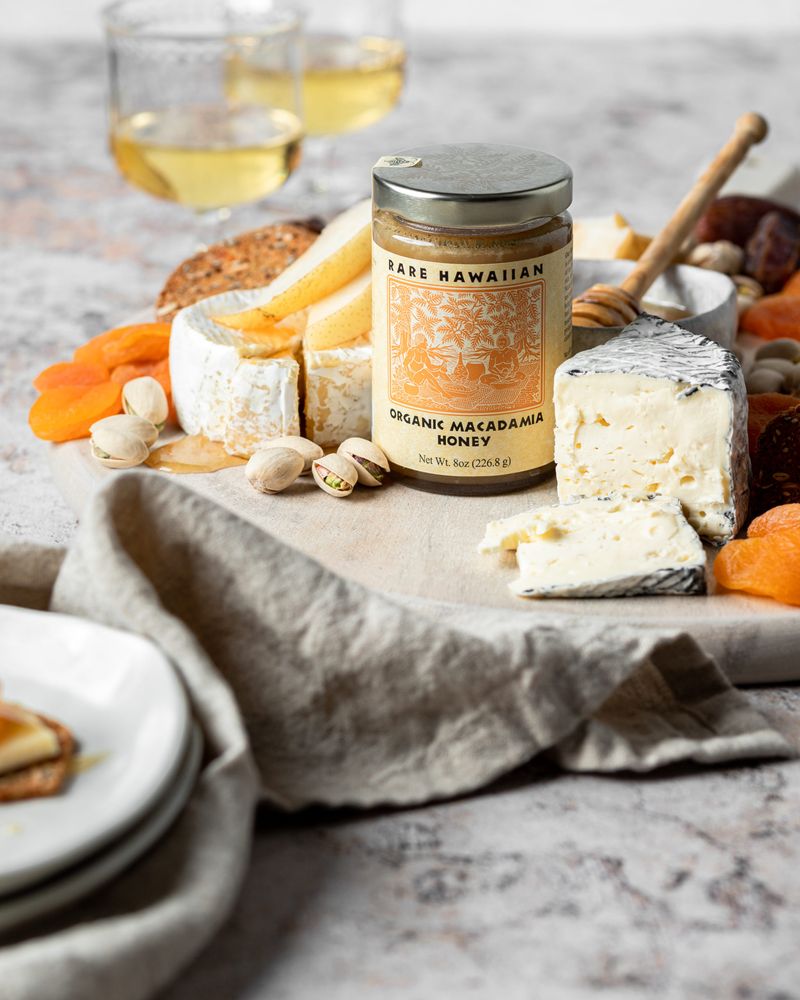
Hawaii is already famous for its breathtaking beauty, and Macadamia honey adds one more reason to love the islands. Made by bees that visit Macadamia nut tree blossoms on the Big Island, this honey has a buttery, nutty sweetness that feels almost indulgent.
The flavor is smooth and rich without being overpowering, making it perfect drizzled over pancakes, ice cream, or fresh fruit. Hawaii's tropical climate and volcanic soil give the flowers a unique character that is reflected in every spoonful.
It is a small taste of island paradise in a jar.




Comments
No Comments