













Eggs might seem like the simplest ingredient in your kitchen, but around the world, cooks have turned them into something spectacular. From sizzling street food stalls in Asia to cozy farmhouse kitchens in Europe, every region has its own spin on the humble omelette.
Each version tells a story about local flavors, traditions, and the clever ways people use what they have. Get ready to discover 20 omelettes that will make you see eggs in a whole new light.
1. French Omelette (France)
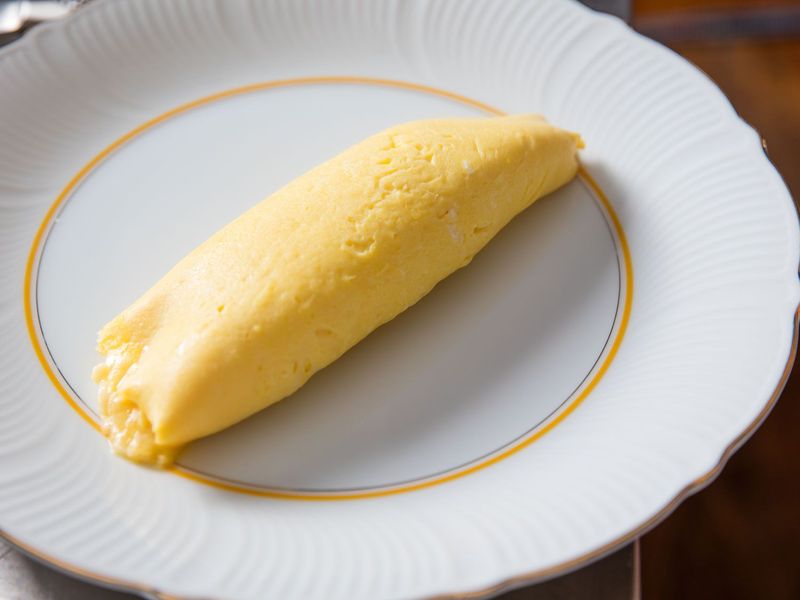
Silky, pale, and folded with almost surgical precision, the French omelette is basically a cooking school exam on a plate. French chefs spend years perfecting the quick wrist flick that creates its signature smooth exterior without a single brown spot.
Inside, it stays soft and custardy. Simple fillings like herbed cheese or mushrooms let the egg flavor shine.
Mastering this one technique seriously upgrades your breakfast game forever.
2. Spanish Tortilla (Spain)

Forget thin and delicate. Spain's tortilla is a thick, hearty round packed with slow-cooked potatoes and onions, and it has been feeding families for centuries.
Street bars in Madrid serve it at room temperature, sandwiched inside crusty bread called a bocadillo.
The trick is patience. Potatoes simmer gently in olive oil before the eggs ever hit the pan.
Every bite delivers a creamy, savory satisfaction that makes this one of Europe's most beloved comfort foods.
3. Japanese Tamagoyaki (Japan)
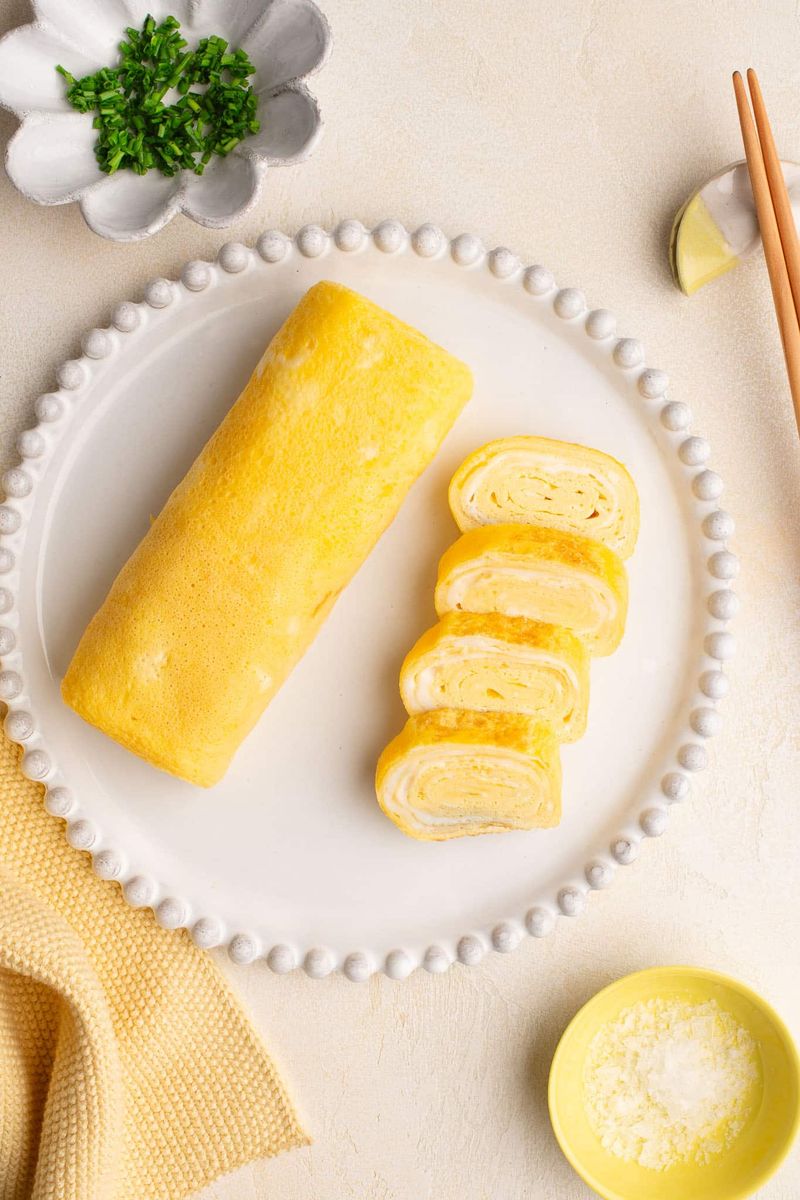
Watching a skilled Japanese cook make tamagoyaki is almost hypnotic. Thin layers of sweetened egg are rolled one by one in a rectangular pan called a makiyakinabe, building up a beautiful spiral inside every slice.
It tastes lightly sweet and savory at the same time, which surprises most first-timers. Served alongside rice or tucked into a bento box, tamagoyaki proves that eggs can be both art and breakfast simultaneously.
Truly a crowd-pleaser at any age.
4. Iranian Kuku Sabzi (Iran)
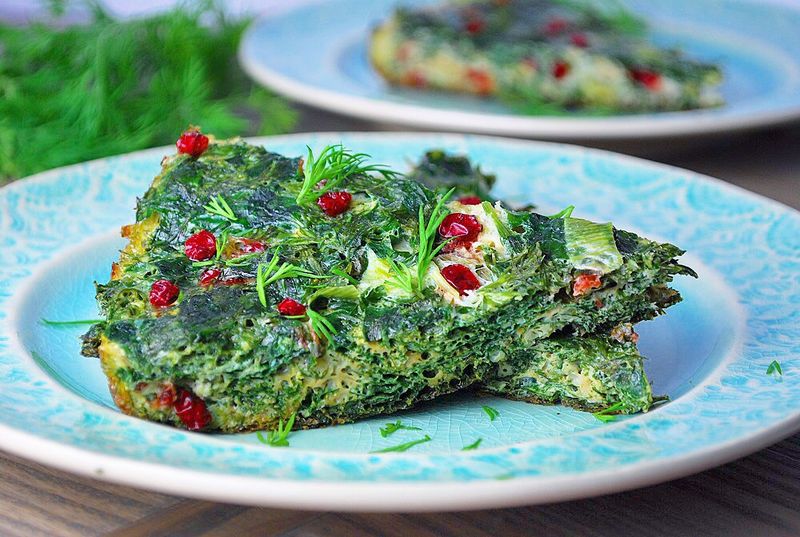
Kuku sabzi is basically a celebration of fresh herbs held together by egg. Parsley, dill, cilantro, and fenugreek pack every slice so densely that the inside turns a vivid, gorgeous green.
Iranians traditionally serve it at Nowruz, the Persian New Year, as a symbol of spring and renewal.
Walnuts and barberries sometimes sneak in for texture and a tart pop of flavor. It bakes rather than fries, making cleanup much easier.
One bite and you understand why this recipe has survived for thousands of years.
5. Italian Frittata (Italy)

Unlike its French cousin, the frittata does not apologize for getting a little color on the outside. This Italian egg dish starts on the stovetop and finishes under the broiler, creating a puffed, golden top that looks stunning straight from the oven.
Zucchini, roasted peppers, leftover pasta, or whatever is in the fridge all work brilliantly inside. Frittatas are equally delicious warm or cold, making them a genius solution for weekday lunches.
Italian grandmothers have known this secret for generations.
6. Tunisian Ojja (Tunisia)
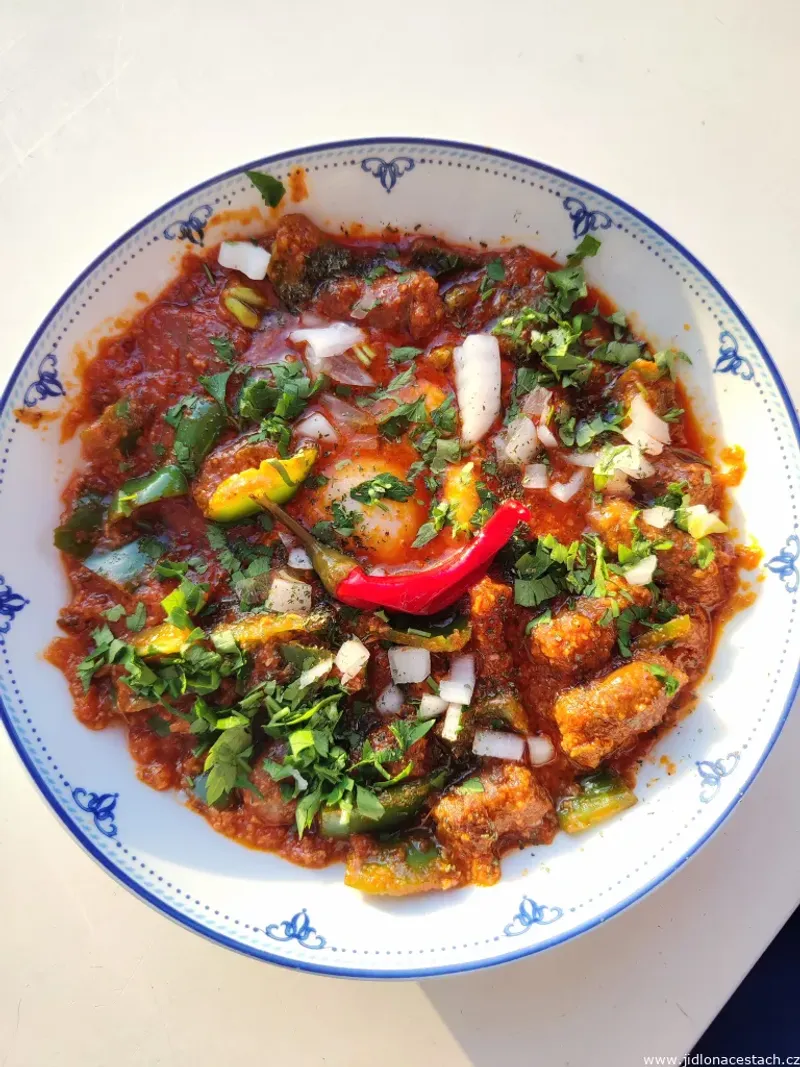
Ojja is Tunisia's fiery answer to the question of what happens when eggs meet harissa. Eggs are poached directly in a bubbling, spiced tomato sauce loaded with peppers, garlic, and sometimes merguez sausage.
The result is smoky, deeply savory, and absolutely addictive.
Locals scoop it up with chewy bread straight from the communal pan. It sits somewhere between a stew and an omelette, which makes it uniquely satisfying.
North African spice lovers will absolutely fall for this dish on the very first taste.
7. Vietnamese Banh Xeo (Vietnam)
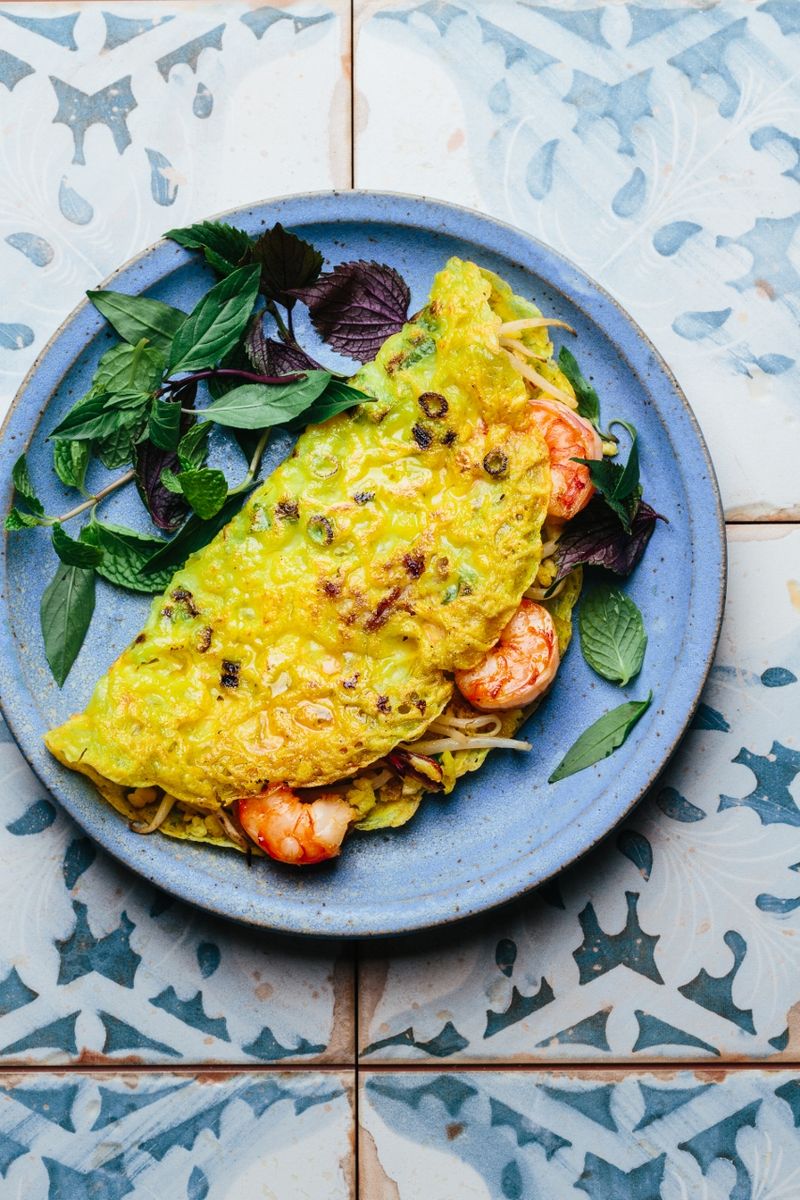
The name banh xeo literally translates to sizzling cake, which perfectly describes the dramatic sound it makes hitting the hot pan. Made from rice flour and turmeric-tinted coconut milk, it is more crepe than omelette, but eggs play a supporting role in that gorgeous crispy shell.
Shrimp, pork, and bean sprouts fill the inside. You wrap pieces in lettuce with fresh herbs and dip everything in nuoc cham sauce.
Eating it feels like a fun, messy, delicious adventure every single time.
8. Indian Masala Omelette (India)
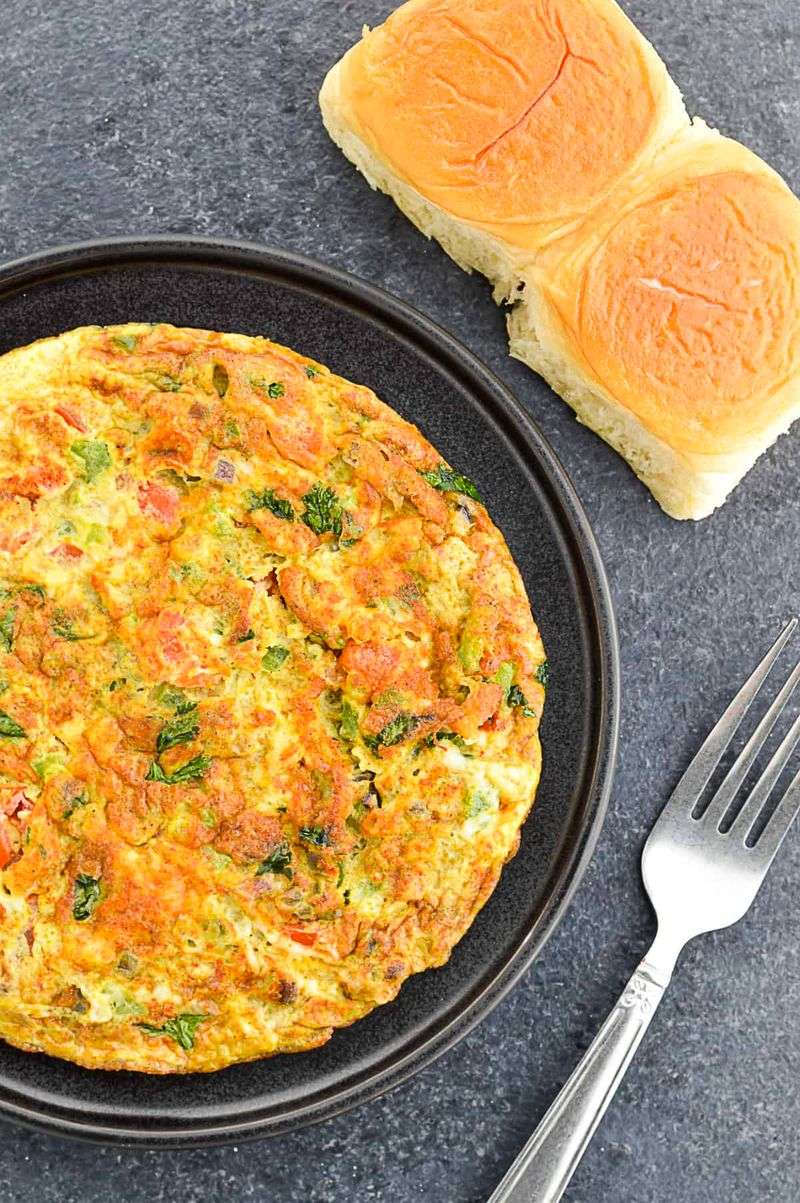
At roadside stalls across India, the masala omelette is practically a religion. Eggs get beaten with chopped green chilies, red onion, tomatoes, cilantro, and a pinch of turmeric before hitting a well-seasoned iron pan.
The result is bold, fragrant, and slightly spicy in the best possible way.
Vendors fold it over and serve it tucked inside buttered bread for the ultimate quick breakfast. Every cook has their own spice ratio, meaning no two masala omelettes ever taste exactly the same.
9. Chinese Egg Foo Young (China)
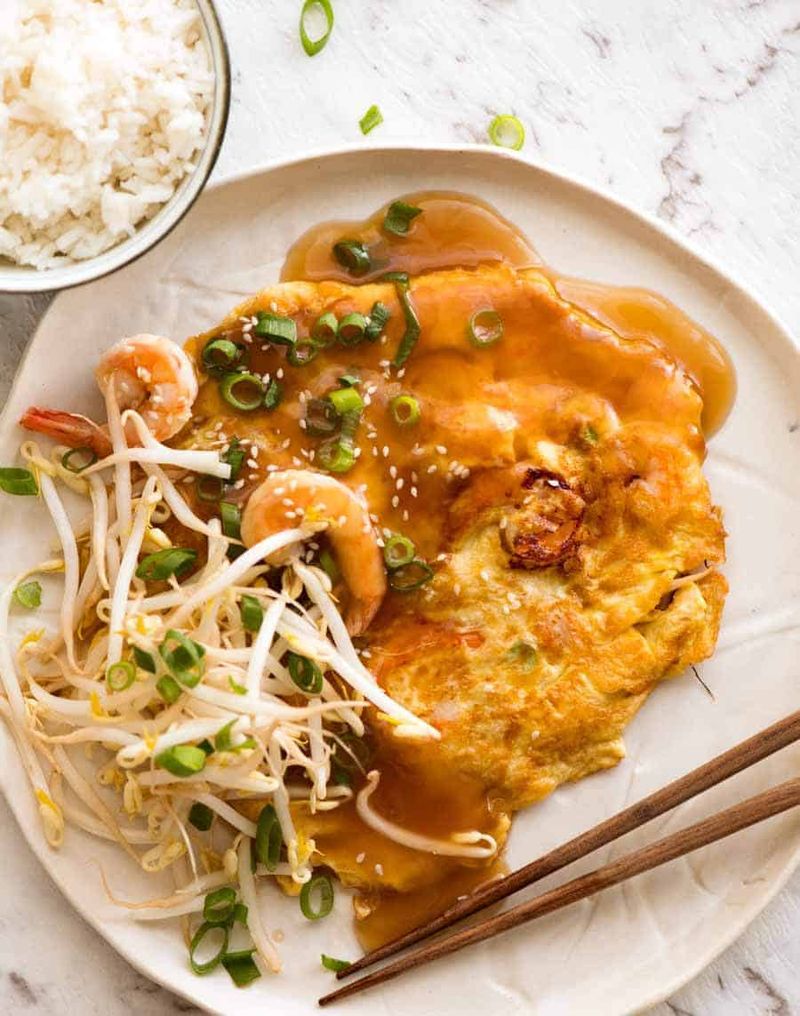
Egg foo young looks like a pancake, acts like an omelette, and tastes completely unique. Bean sprouts, scallions, and sometimes shrimp or pork get folded into beaten eggs, then pan-fried into thick, puffy rounds.
The finishing touch is a glossy, savory brown gravy poured generously on top.
It became wildly popular in Chinese-American restaurants during the early 1900s. Some food historians trace its roots to a Shanghai dish called fu yung egg slices.
Either way, the gravy-drenched result is undeniably comforting and completely satisfying.
10. Ethiopian Enqulal Tibs (Ethiopia)
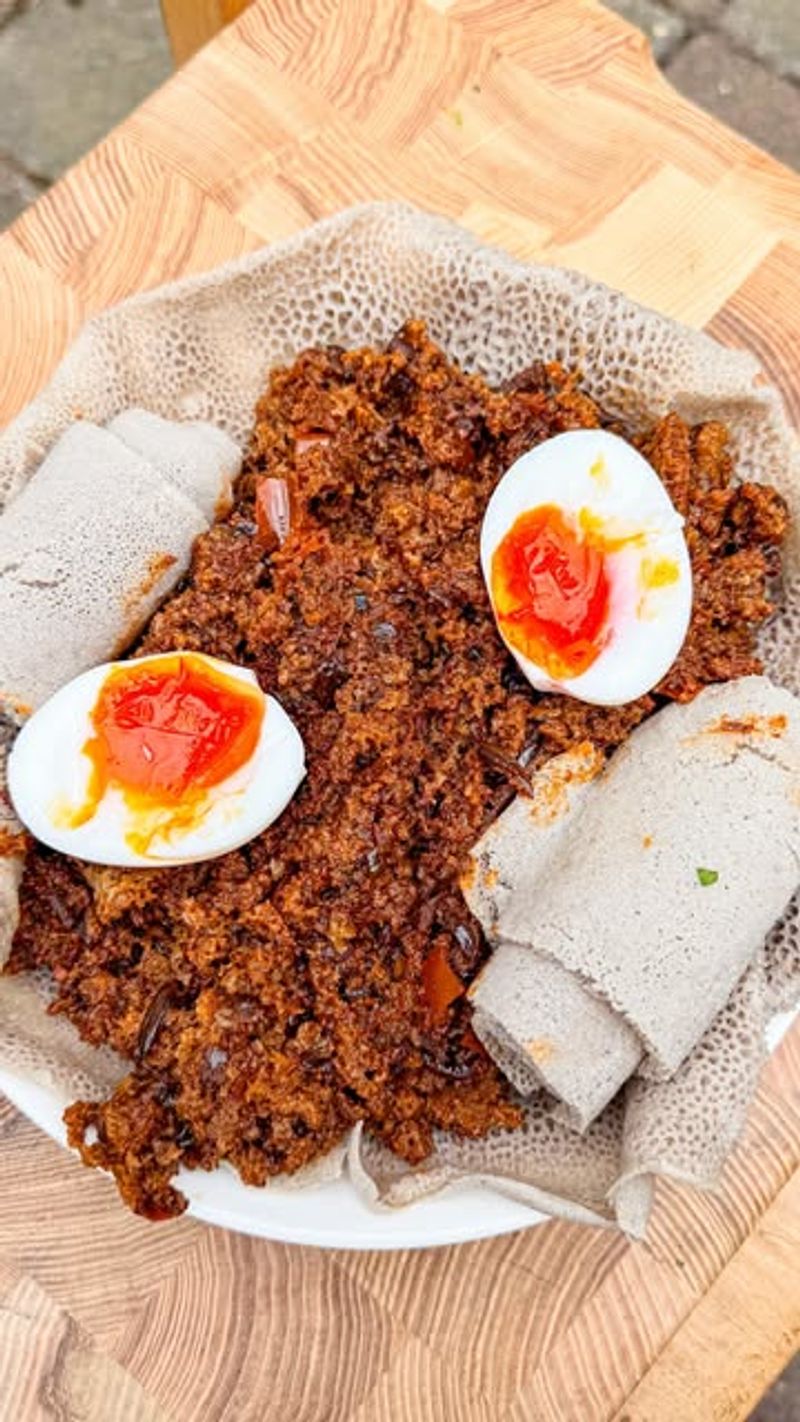
Ethiopian cooking transforms eggs with niter kibbeh, a spiced clarified butter infused with turmeric, ginger, and fenugreek. Enqulal tibs scrambles eggs right in this fragrant butter, often adding tomatoes, onions, and berbere spice for an earthy, warming kick that wakes up every taste bud.
Served alongside spongy injera flatbread, you scoop bites with your fingers in traditional style. The combination of spiced butter and fresh eggs creates something deeply nourishing.
This dish proves African egg cookery deserves far more global recognition than it currently gets.
11. Turkish Menemen (Turkey)
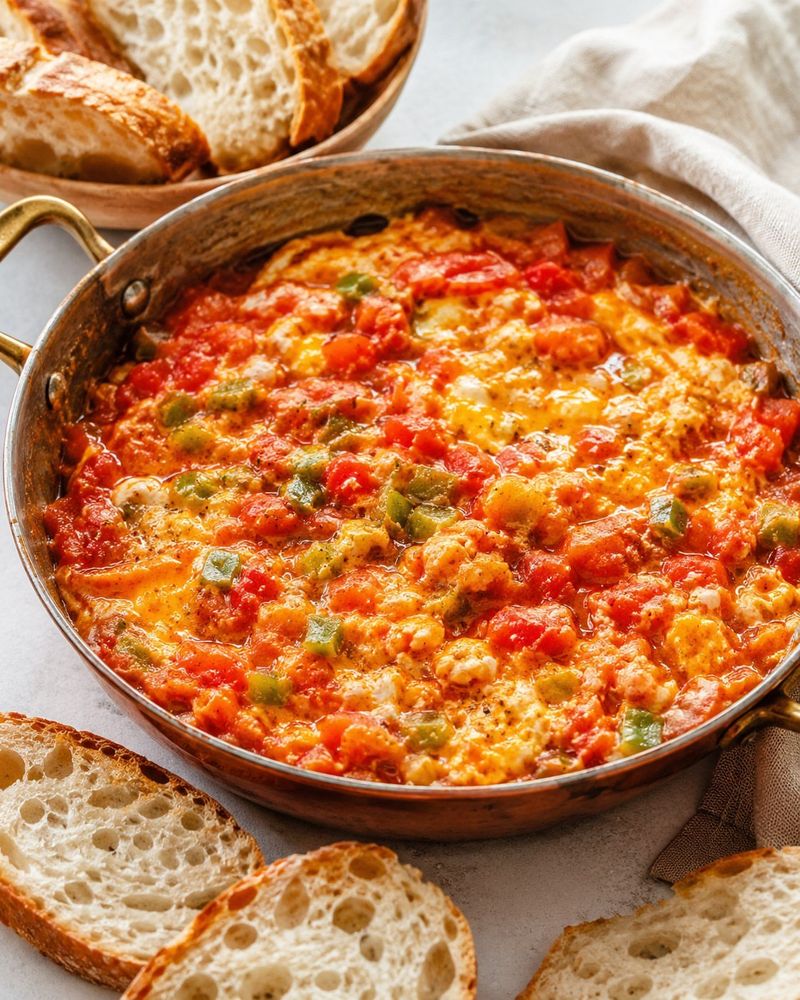
Menemen is the soul of a Turkish breakfast table. Tomatoes and peppers cook down into a jammy, fragrant base before eggs are stirred in gently and cooked just until softly set.
The debate over whether to add onions is surprisingly passionate among Turkish families.
Served directly in the small copper or clay pan it was cooked in, it arrives bubbling and steaming at the table. Tear off a piece of crusty simit bread, scoop generously, and understand immediately why Turkish breakfast culture is celebrated worldwide.
12. Korean Gyeran Mari (Korea)
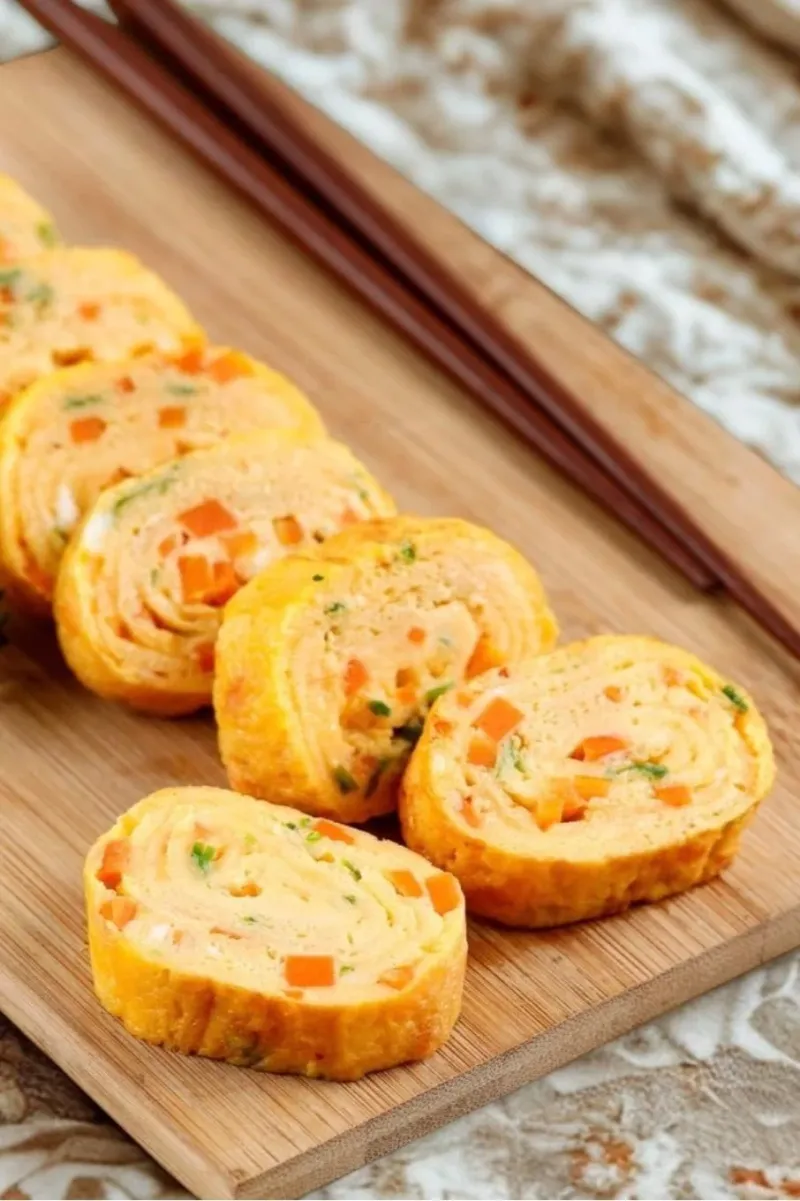
Gyeran mari is the lunchbox hero of Korean school children everywhere. Thin sheets of egg are rolled tightly around fillings like diced carrots, scallions, and ham, then sliced into neat little rounds that look almost too pretty to eat.
It shares DNA with Japanese tamagoyaki but skips the sweetness for a purely savory flavor. Korean home cooks make it fresh every morning with impressive speed and efficiency.
Pack it cold, and it still tastes wonderful hours later, making it a truly reliable everyday staple.
13. Moroccan Beid Mquemer (Morocco)
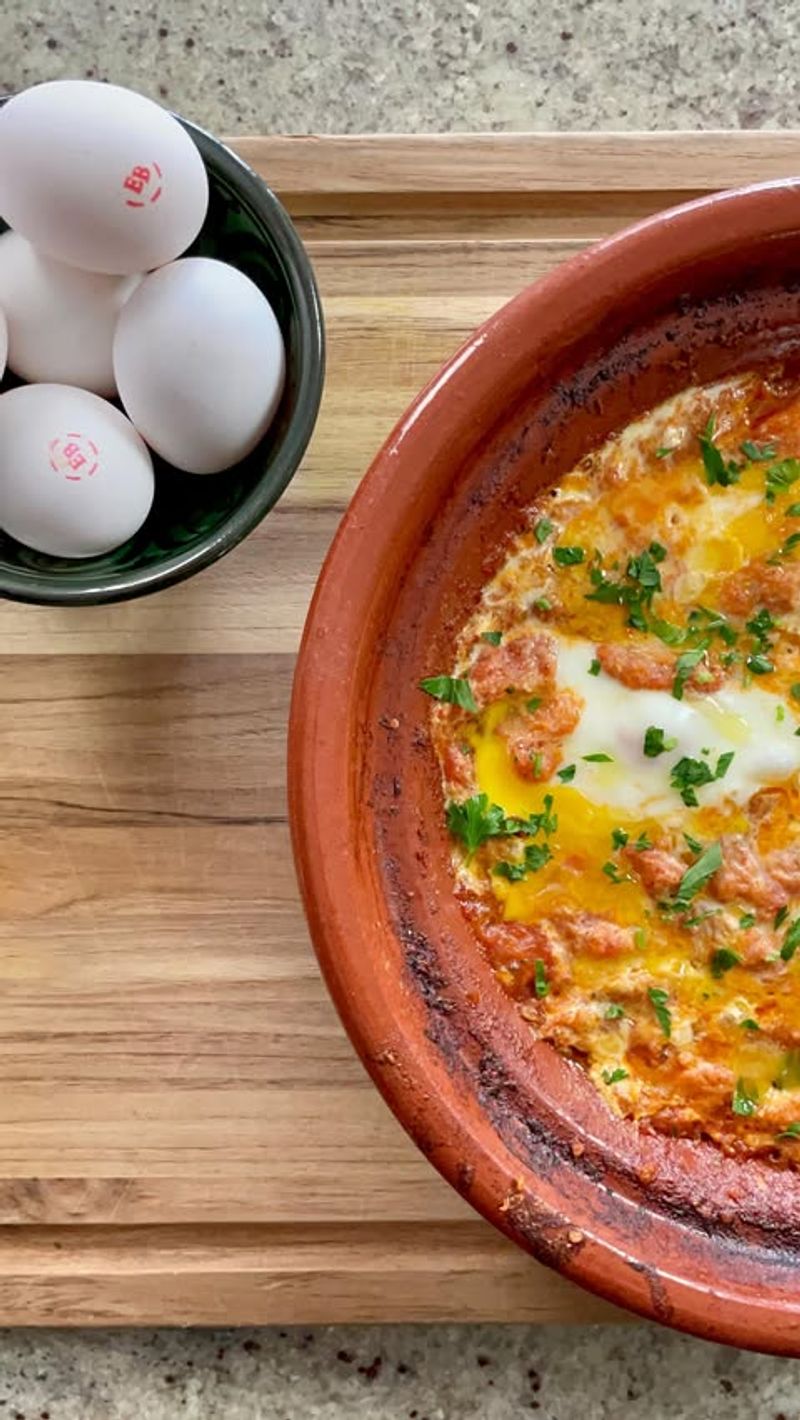
Morocco's take on the omelette carries the warmth of a spice market in every bite. Eggs cook with cumin, paprika, preserved lemon, and fresh herbs in a shallow pan until just set and fragrant.
The preserved lemon adds a tangy, almost floral brightness that feels completely unexpected and wonderful.
Traditionally eaten with khobz bread for breakfast or a light dinner, it reflects Morocco's genius for layering bold spices without overwhelming the main ingredient. Simple ingredients, extraordinary results.
That balance is the real Moroccan culinary superpower.
14. Filipino Tortang Talong (Philippines)
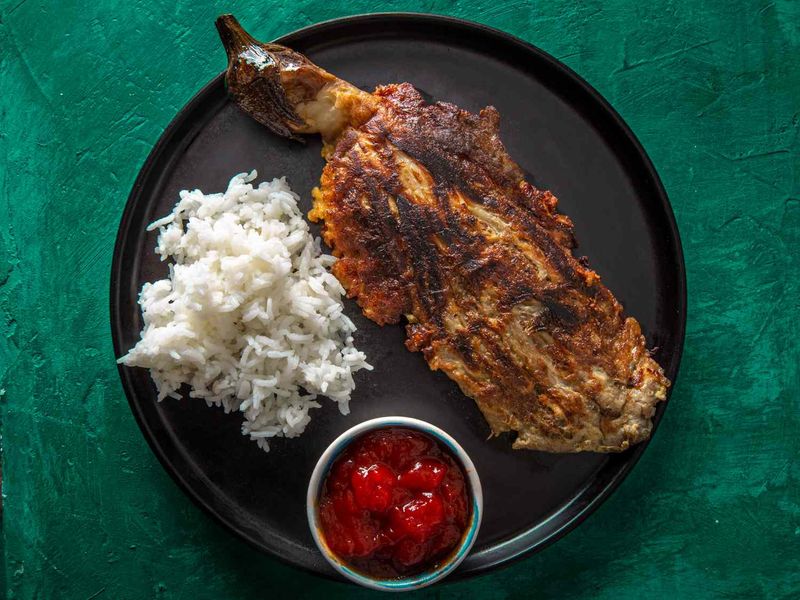
Tortang talong might be the most visually dramatic omelette on this list. A whole eggplant gets charred directly over a flame, peeled, then pressed flat and dipped in beaten seasoned egg before frying into a crispy-edged, smoky masterpiece.
The eggplant becomes the skeleton of the dish.
Ground pork or shrimp often gets mixed into the egg for extra substance. Served with spiced vinegar for dipping, it hits smoky, savory, and tangy notes all at once.
Filipino home cooking at its most resourceful and delicious.
15. Greek Sfougato (Greece)
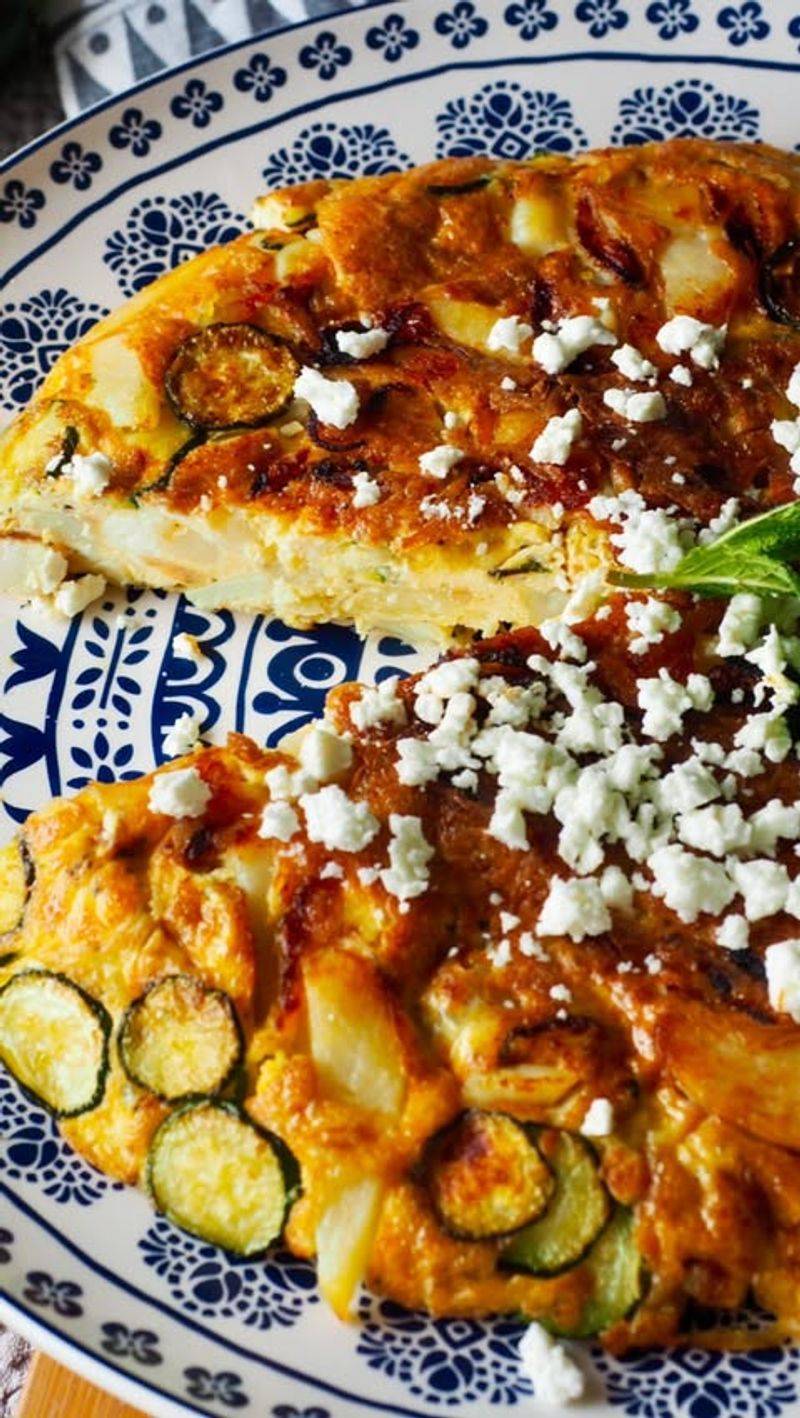
Sfougato sounds like something ancient, and honestly it kind of is. This thick, baked Greek omelette from the island of Lesvos combines eggs with zucchini, fresh mint, and crumbled feta into a dish that feels simultaneously light and deeply satisfying.
The mint is not optional. It is the soul of this recipe.
Some versions include dried bread for extra body. Served warm or at room temperature, sfougato works beautifully as a mezze dish alongside olives and pita.
Greek island cooking rarely gets simpler or more elegant than this.
16. Argentine Tortilla de Papas (Argentina)
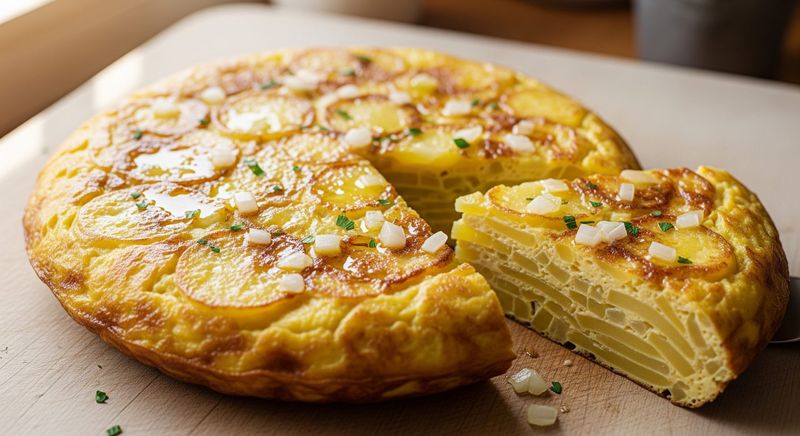
Argentina borrowed the tortilla concept from Spain and made it their own by serving it alongside everything from chimichurri to dulce de leche. Thick slices of potato and sweet caramelized onion get folded into eggs and cooked slowly until golden and firm throughout.
Buenos Aires cafes serve it all day as a quick, filling option that costs almost nothing but delivers enormous satisfaction. The chimichurri drizzle on top is a purely Argentine addition that adds a herby, garlicky punch.
Simple food elevated by smart accompaniments.
17. Nigerian Egg Stew (Nigeria)
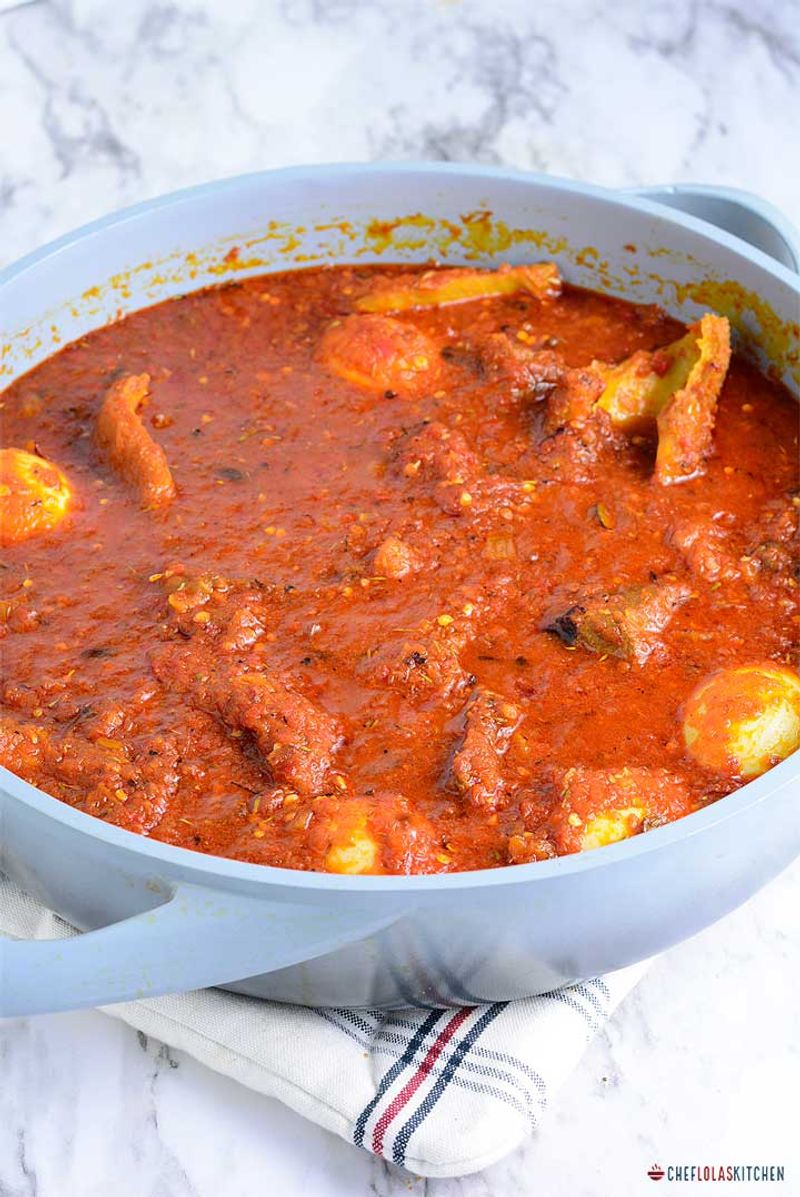
Nigerian egg stew is what happens when eggs get treated like a main event rather than a side dish. Hard-boiled eggs simmer in a rich, deeply red sauce made from blended tomatoes, scotch bonnet peppers, and palm oil, absorbing all that smoky, spicy flavor right through the whites.
Served over rice or eaten with fried plantains, this dish is a staple across Nigerian households. The palm oil gives it a warmth and depth that vegetable oil simply cannot replicate.
West African comfort food at its most satisfying.
18. Persian Nargesi (Iran)
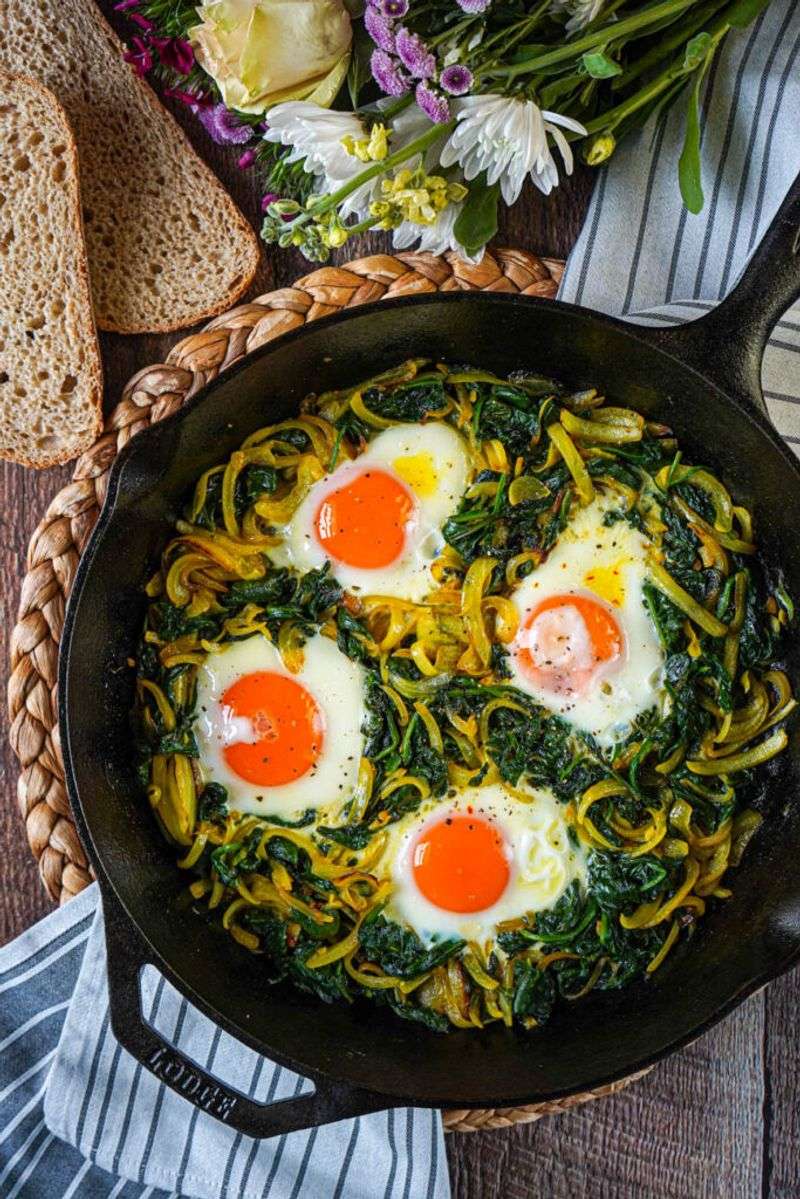
Named after the narcissus flower because the egg yolk resembles its golden center, nargesi is both poetic and delicious. Spinach cooks down with caramelized onions in butter until sweet and tender, then eggs are cracked right on top and cooked just until the whites set but yolks stay runny.
The contrast between silky spinach and rich egg yolk is genuinely beautiful. Iranians serve it for breakfast or a light dinner with warm flatbread.
Food this simple rarely looks or tastes this elegant and refined.
19. American Denver Omelette (USA)
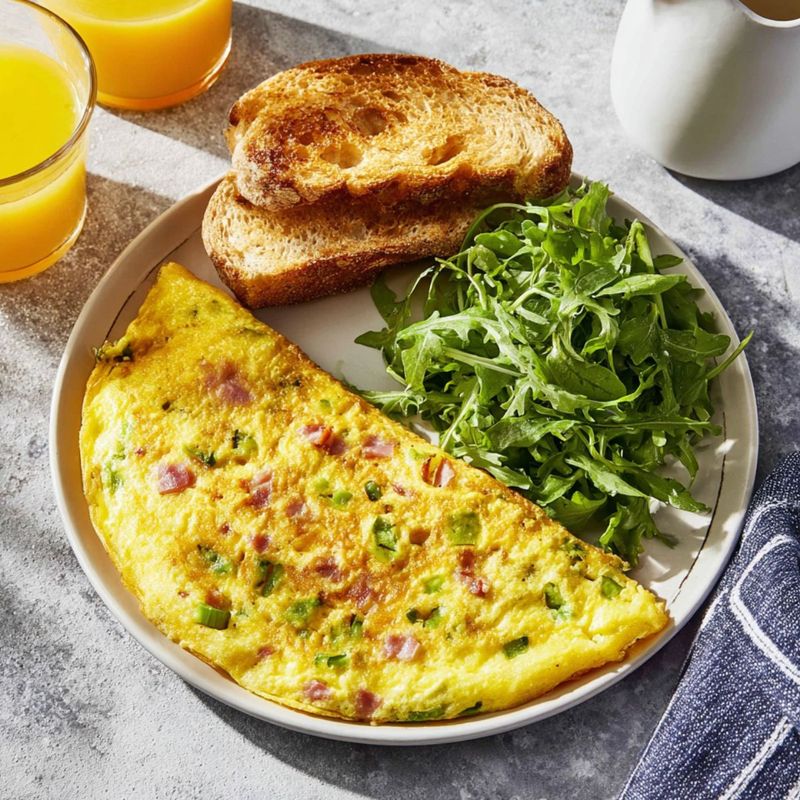
The Denver omelette is basically American diner culture folded into egg form. Ham, green bell pepper, onion, and melted cheddar cheese pack the inside of a fluffy three-egg omelette that has been fueling road-trippers and truck drivers since at least the 1950s.
Some say it originated among railroad workers heading west.
Hash browns and white toast on the side are essentially mandatory. It is hearty, unpretentious, and built for serious appetite.
Sometimes the most classic combinations stick around because they are genuinely, reliably great.
20. Portuguese Omeleta de Bacalhau (Portugal)
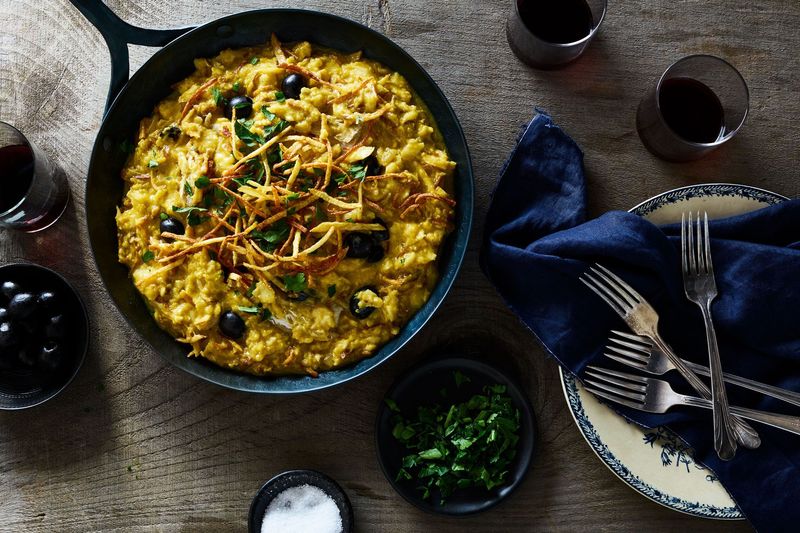
Portugal has over 365 traditional bacalhau recipes, and this omelette might be the most comforting of all of them. Shredded salt cod gets soaked, flaked, and folded into eggs along with sweet onions, fresh parsley, and sometimes briny black olives for a salty, savory punch that is uniquely Portuguese.
The cod needs overnight soaking to remove excess salt, but the result is absolutely worth planning ahead. Served in tascas, Portugal's cozy neighborhood taverns, this dish pairs perfectly with a glass of vinho verde.
Tradition on a plate.

Comments
No Comments