













British breakfasts usually mean toast, eggs, or a full fry-up, so sitting down to a Japanese morning meal can feel like stepping into another world entirely. Japan has a rich tradition of eating balanced, savory, and nourishing foods first thing in the morning, and many of these dishes look nothing like what most British people expect.
From fermented soybeans to grilled fish and cold tofu, the Japanese breakfast table is full of surprises. If you have ever been curious about what makes a Japanese morning meal so different, read on to find out.
1. Natto (Fermented Soybeans)

Sticky, stringy, and powerfully pungent, natto is probably the most talked-about Japanese breakfast food among foreign visitors. Made from fermented soybeans, it has a strong smell and a gooey texture that catches most British diners completely off guard.
Many Japanese people grew up eating natto mixed with soy sauce and mustard over steamed rice. It is surprisingly nutritious, packed with protein and gut-friendly bacteria.
It is definitely an acquired taste, but one that millions of Japanese people genuinely love every single morning.
2. Grilled Salted Fish (Yakizakana)
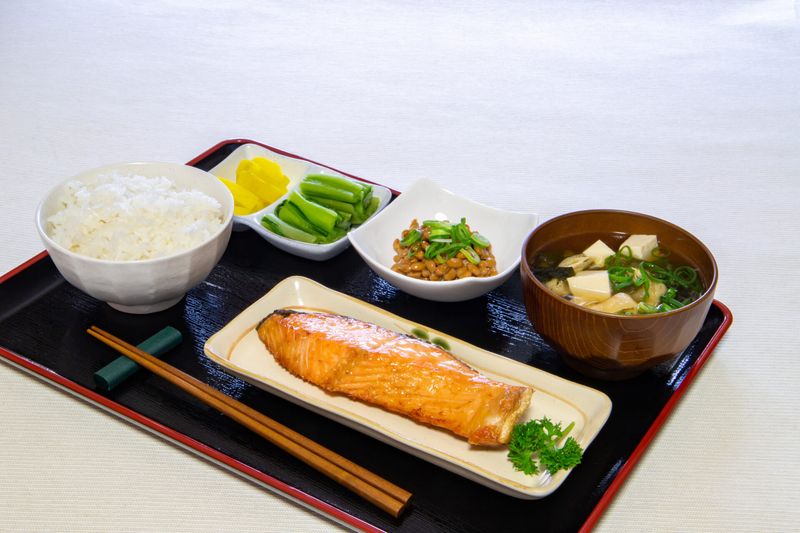
Grilled fish for breakfast might sound unusual to British ears, but in Japan it is completely ordinary. Yakizakana, or grilled salted fish, is a staple of the traditional Japanese morning meal and is usually served alongside steamed rice and miso soup.
Common choices include mackerel, salmon, or horse mackerel, all lightly seasoned with salt and cooked until the skin is perfectly crispy. The smoky, savory flavor wakes up the taste buds in a way that toast simply cannot match.
It is wholesome and genuinely delicious.
3. Miso Soup
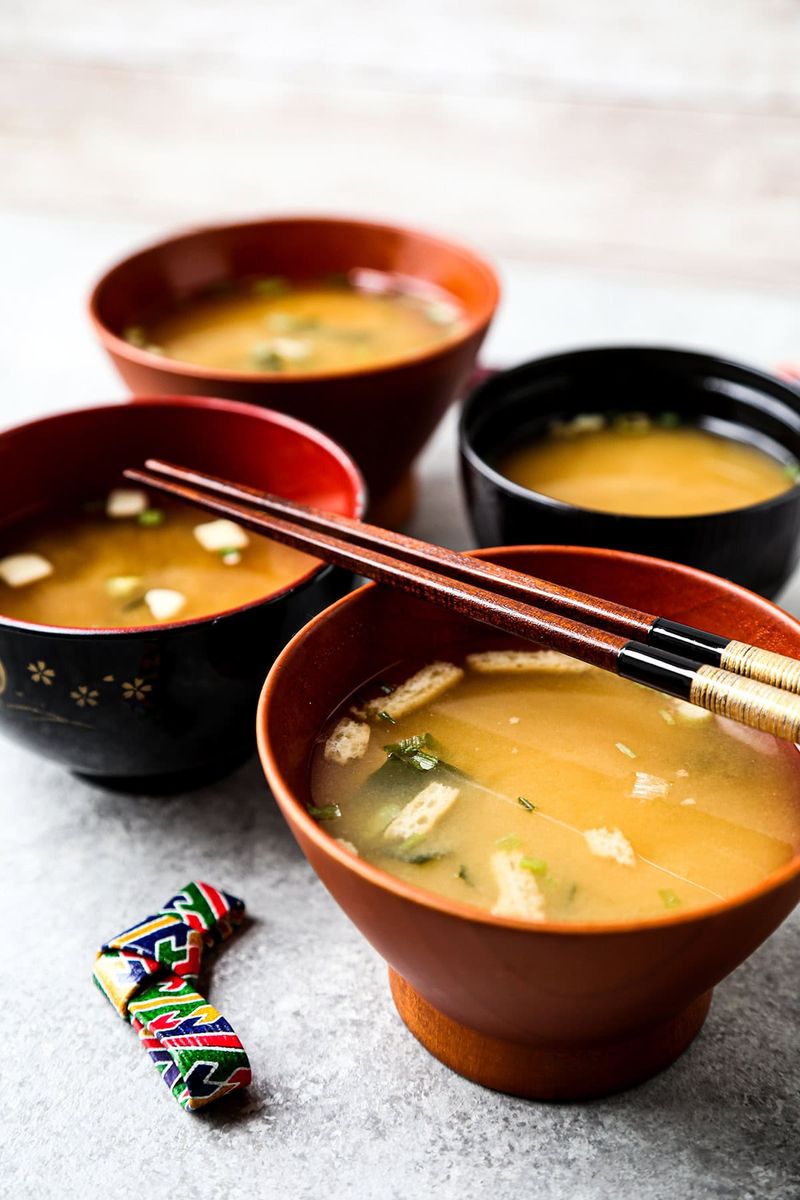
Miso soup at breakfast might surprise British visitors who are used to tea or orange juice as a morning drink, but in Japan a warm bowl of miso is as comforting as a cup of builder's tea. Made from fermented soybean paste dissolved in dashi broth, it is deeply savory and warming.
Tofu, seaweed, and green onions are classic additions. Each family often has its own preferred version passed down through generations.
It is a simple dish that carries enormous cultural meaning and genuine everyday comfort.
4. Steamed White Rice
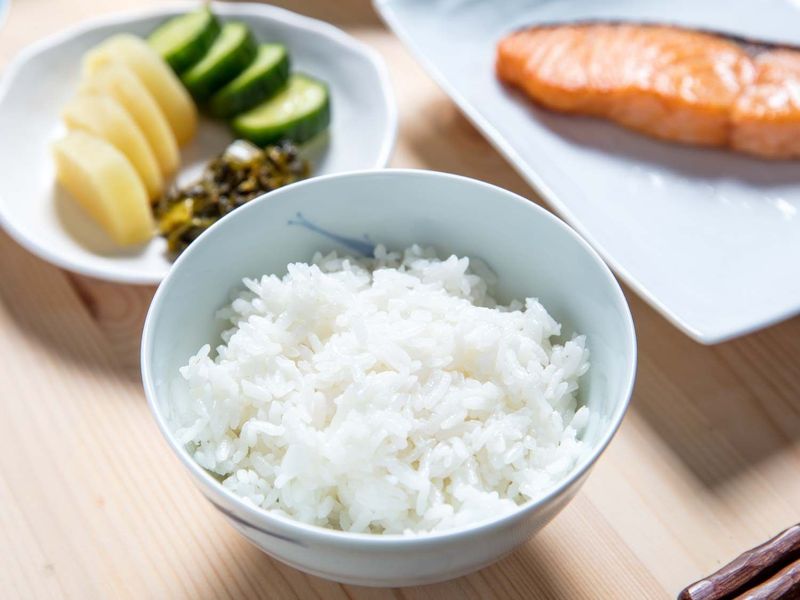
Rice at breakfast is one of the first things that surprises British visitors to Japan. While Brits might reach for cereal or toast, Japanese families often start their day with a bowl of plain steamed rice as the centerpiece of the meal.
Japanese short-grain rice has a slightly sticky texture and a subtle sweetness that pairs beautifully with salty or umami-rich side dishes. Far from being boring, it acts as a calm, satisfying base that holds the entire meal together.
Once you try it, the logic becomes obvious.
5. Tamagoyaki (Japanese Rolled Omelette)
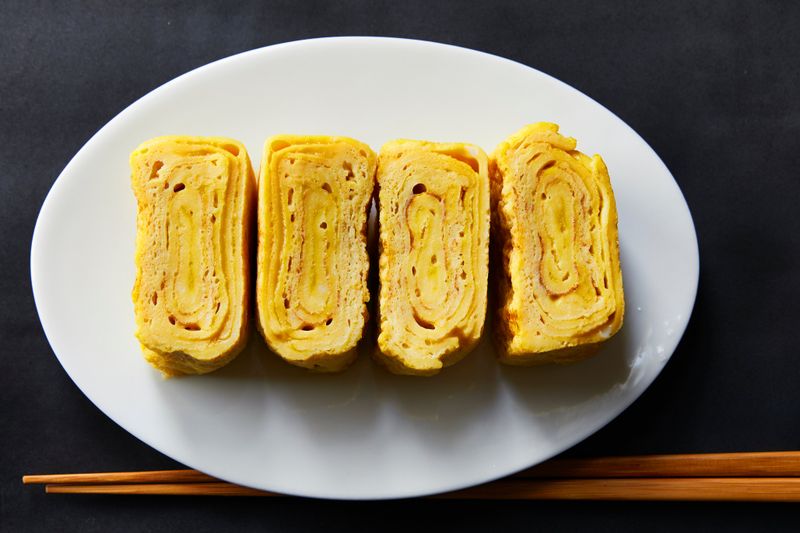
Tamagoyaki looks like a simple rolled egg, but one bite reveals something far more interesting. This Japanese omelette is made by rolling thin layers of lightly sweetened, seasoned egg together in a rectangular pan, creating a soft, layered texture unlike any Western omelette.
The balance of sweet and savory in tamagoyaki surprises many British diners who expect eggs to taste purely savory at breakfast. It is a skill that takes practice to master, and watching a Japanese cook prepare it is genuinely mesmerizing.
Delicate, tender, and quietly addictive.
6. Pickled Vegetables (Tsukemono)
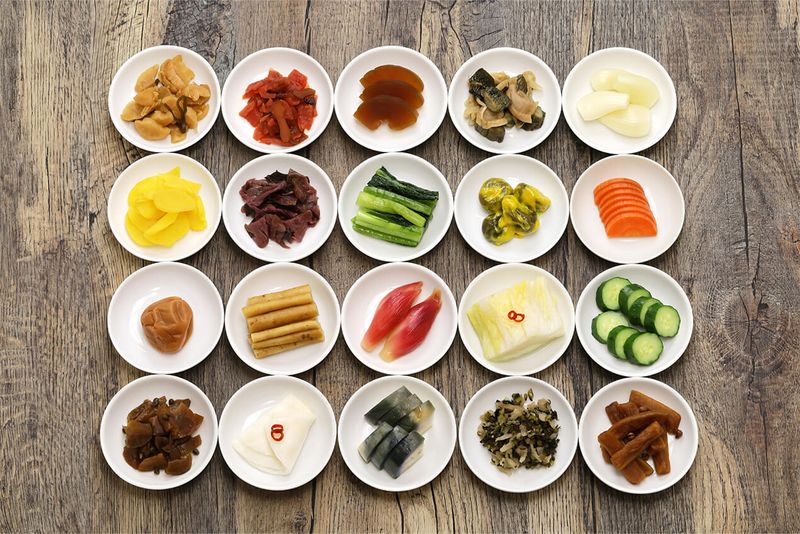
Bright, crunchy, and tangy, tsukemono are Japanese pickled vegetables that appear at almost every traditional breakfast. They might include daikon radish, cucumber, eggplant, or cabbage, each prepared using salt, vinegar, or rice bran fermentation.
British diners accustomed to sweet jams or marmalade on the side of their plates are often taken aback by these sharp, fermented flavors first thing in the morning. However, tsukemono serve a clever purpose: they cleanse the palate and aid digestion.
Once that clicks, they start to feel completely natural alongside rice and miso.
7. Cold Tofu (Hiyayakko)
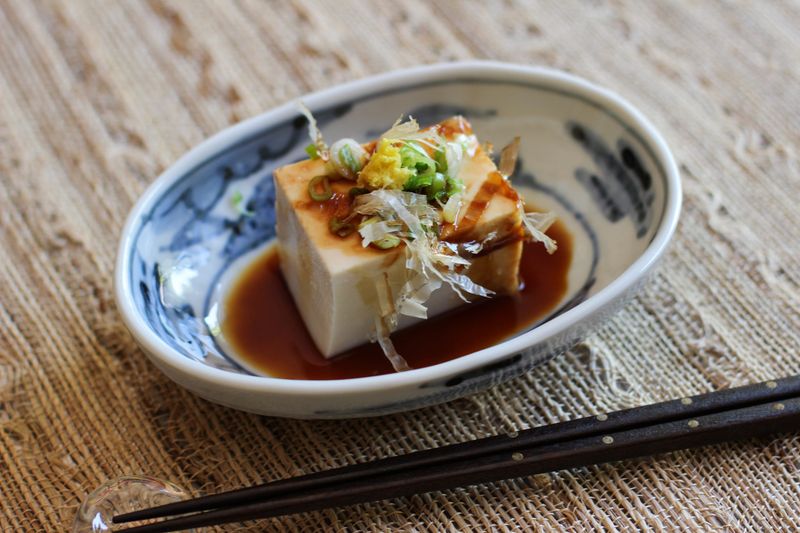
Serving cold, silken tofu at the breakfast table is something that genuinely puzzles many British visitors. Hiyayakko is chilled tofu topped simply with grated ginger, bonito flakes, green onions, and a splash of soy sauce, and it requires almost no cooking at all.
The texture is smooth and almost creamy, while the toppings add bursts of umami and freshness. In Japan, this dish is valued for being light yet high in protein, making it a smart and refreshing way to start a warm summer morning without feeling heavy.
8. Ochazuke (Rice in Green Tea)
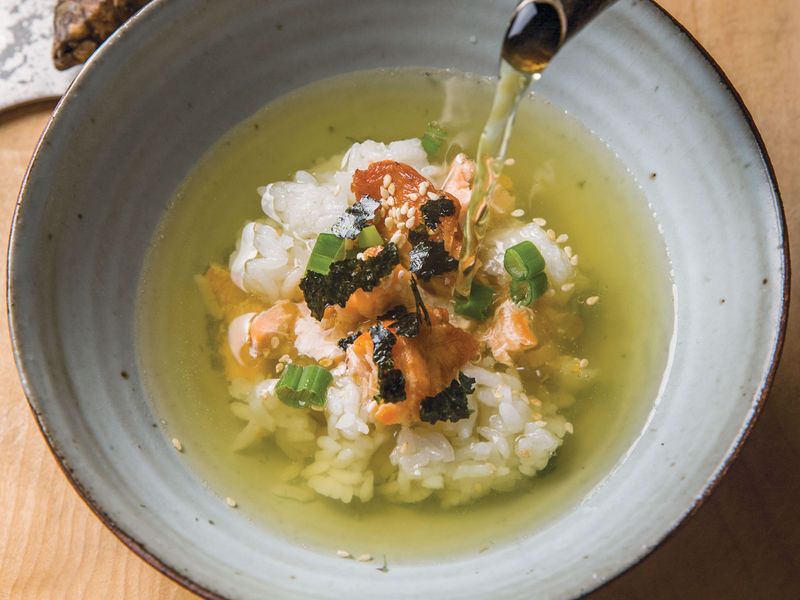
Pouring tea over rice might sound like an accident, but ochazuke is a beloved Japanese breakfast dish with centuries of history behind it. Green tea or dashi broth is poured over leftover steamed rice and topped with pickled plum, nori, or salmon flakes.
The result is a warm, gentle, soupy bowl that feels incredibly comforting on a quiet morning. British diners expecting something bold or filling are often surprised by how subtle and soothing ochazuke tastes.
It is the culinary equivalent of a deep, slow breath to start the day.
9. Umeboshi (Pickled Plum)
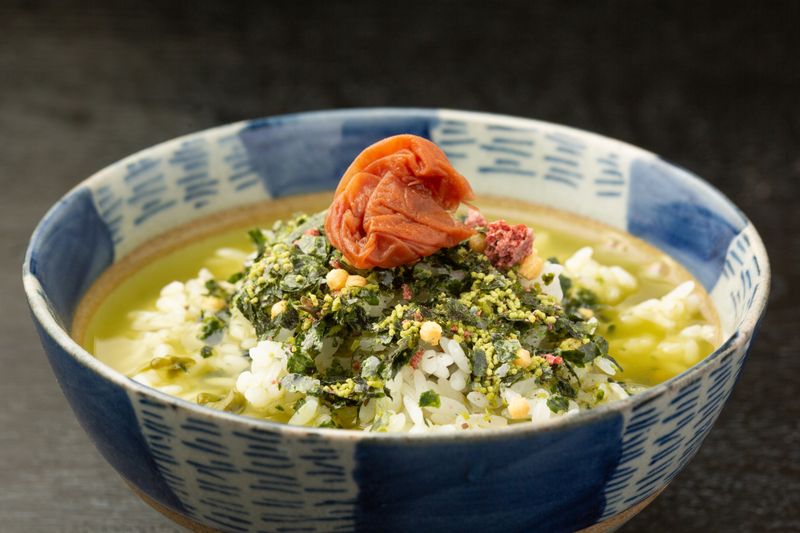
Tiny, wrinkled, and shockingly sour, umeboshi is the pickled plum that tends to make British diners pull a face on first encounter. Made by pickling unripe plums in salt and often red shiso leaves, umeboshi has an intensely tart, salty flavor with almost no sweetness at all.
Just one small plum is usually placed on top of a bowl of rice, where it acts as a powerful flavor contrast. In Japan, umeboshi is also considered a natural remedy for fatigue and stomach problems, giving it a reputation that goes well beyond breakfast.
10. Tamago Gohan (Raw Egg on Rice)
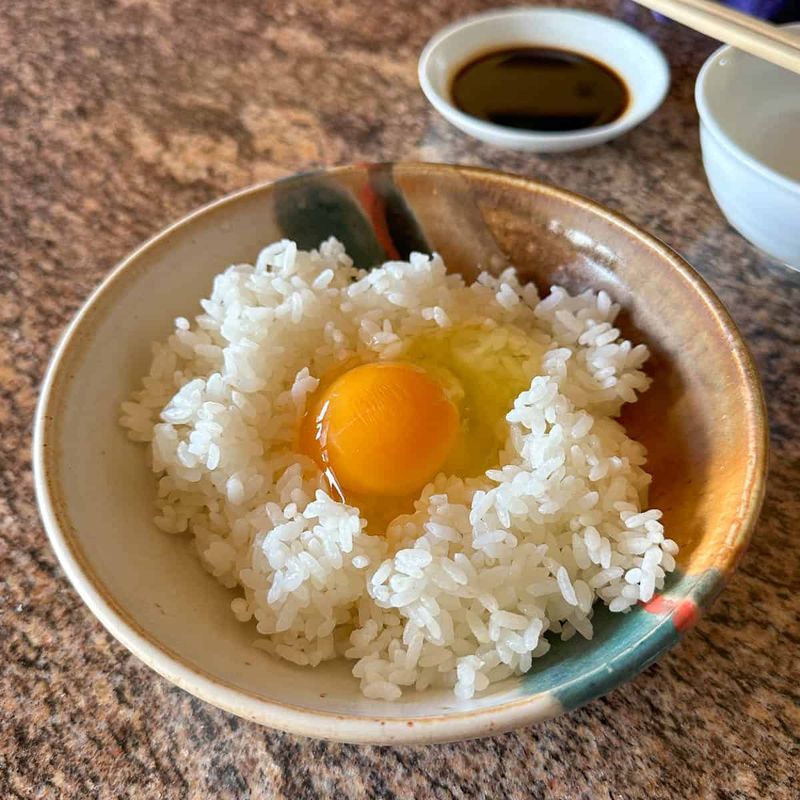
Cracking a raw egg directly onto hot rice and mixing it in might sound alarming to British diners, but tamago gohan is one of Japan's most beloved comfort foods. The heat of the rice partially cooks the egg, creating a rich, creamy coating over every grain.
A splash of soy sauce ties everything together. Japanese eggs are held to very high safety standards, making this dish safe and enjoyable.
The result is deeply satisfying in the simplest way possible. Many Japanese people describe it as the taste of childhood mornings at home.
11. Nori (Dried Seaweed Sheets)
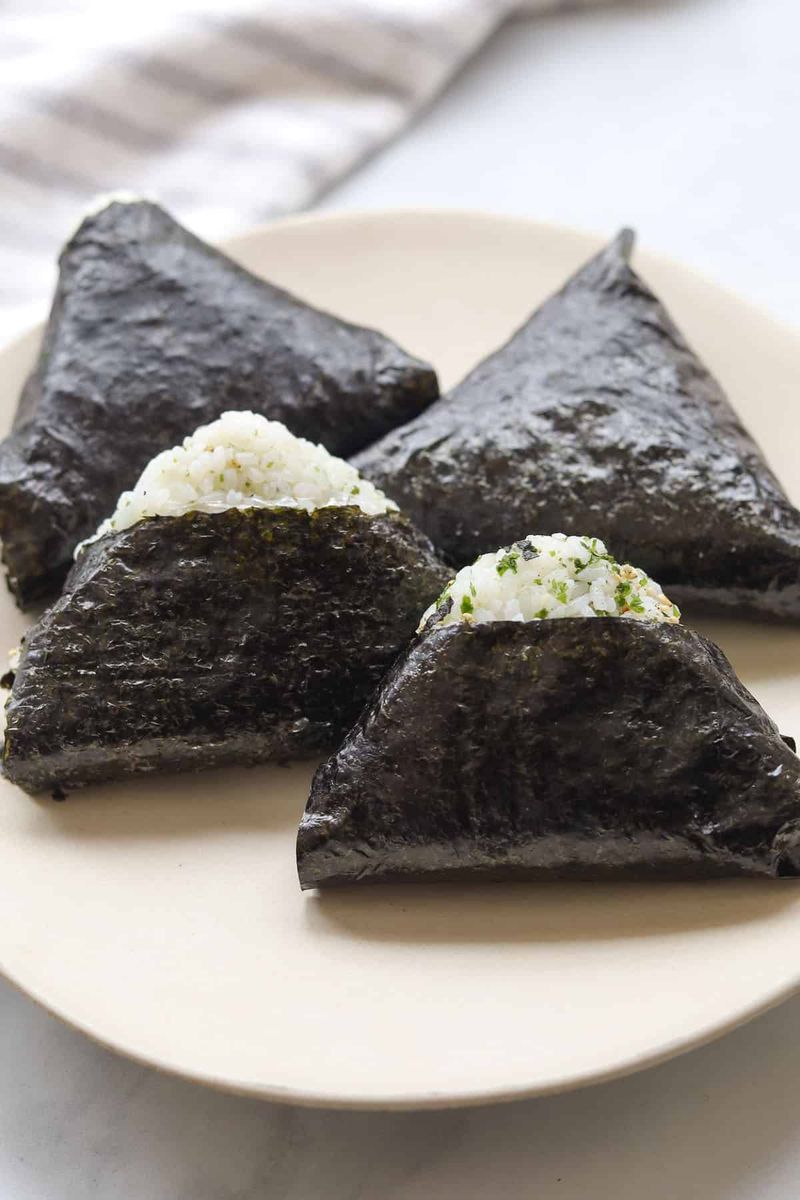
Sheets of dark, paper-thin dried seaweed might not look like breakfast food to most British people, but nori is a completely normal part of a Japanese morning meal. Eaten by wrapping small portions of rice inside it, nori adds a salty, oceanic flavor that is hard to describe but instantly enjoyable.
It also provides iodine, vitamins, and minerals, making it a surprisingly nutritious addition to the table. The crispy texture softens the moment it touches rice, creating a satisfying combination that Japanese children and adults both reach for without a second thought.
12. Tofu Miso Soup with Wakame Seaweed
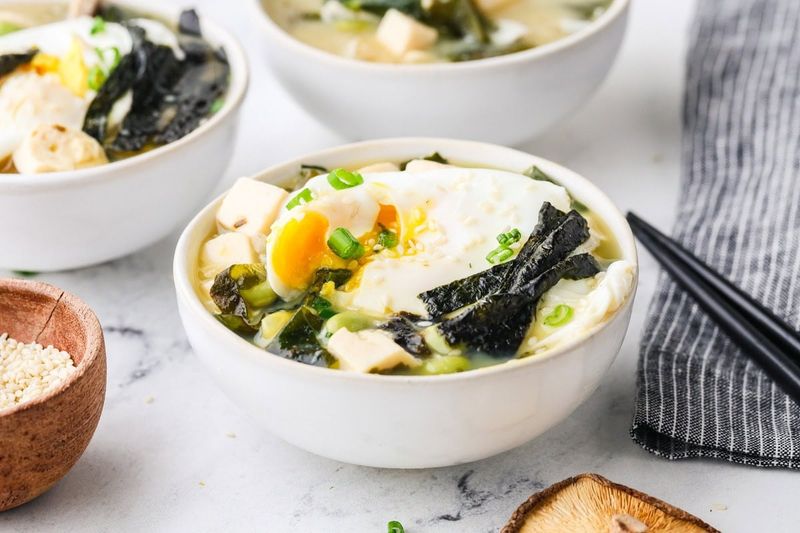
While plain miso soup is common, the version loaded with silken tofu and wakame seaweed is a particular favorite at the Japanese breakfast table. Wakame is a type of tender, dark green seaweed that rehydrates in the broth and adds a gentle, briny flavor to the soup.
British visitors often find the combination of tofu and seaweed in the morning unexpected, but it works beautifully together. The soup is light enough not to weigh you down yet filling enough to keep hunger at bay until lunchtime.
Warming, clean, and genuinely nourishing.
13. Dashimaki Tamago (Dashi-Infused Egg Roll)
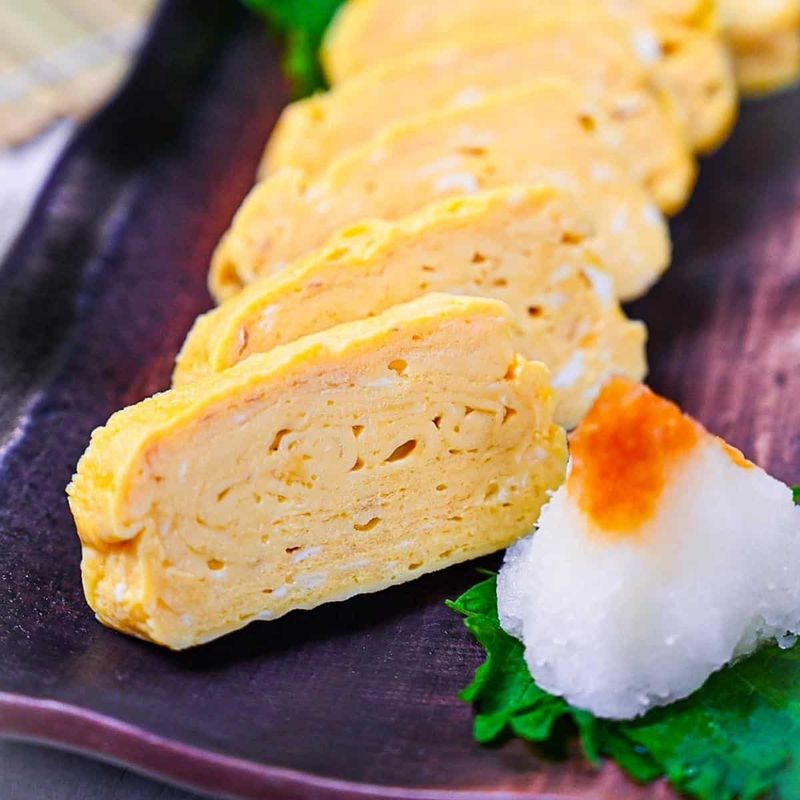
Dashimaki tamago takes the already-surprising tamagoyaki one step further by incorporating savory dashi broth into the egg mixture before rolling. The result is an incredibly moist, airy, and flavorful egg roll that practically melts in the mouth.
Many British visitors assume it will taste sweet like tamagoyaki, but dashimaki leans more savory and delicate. It is often served with a mound of grated daikon radish on the side, which adds a cool, peppery contrast.
It is one of those dishes that makes you rethink everything you thought you knew about eggs.
14. Kayu (Japanese Rice Porridge)
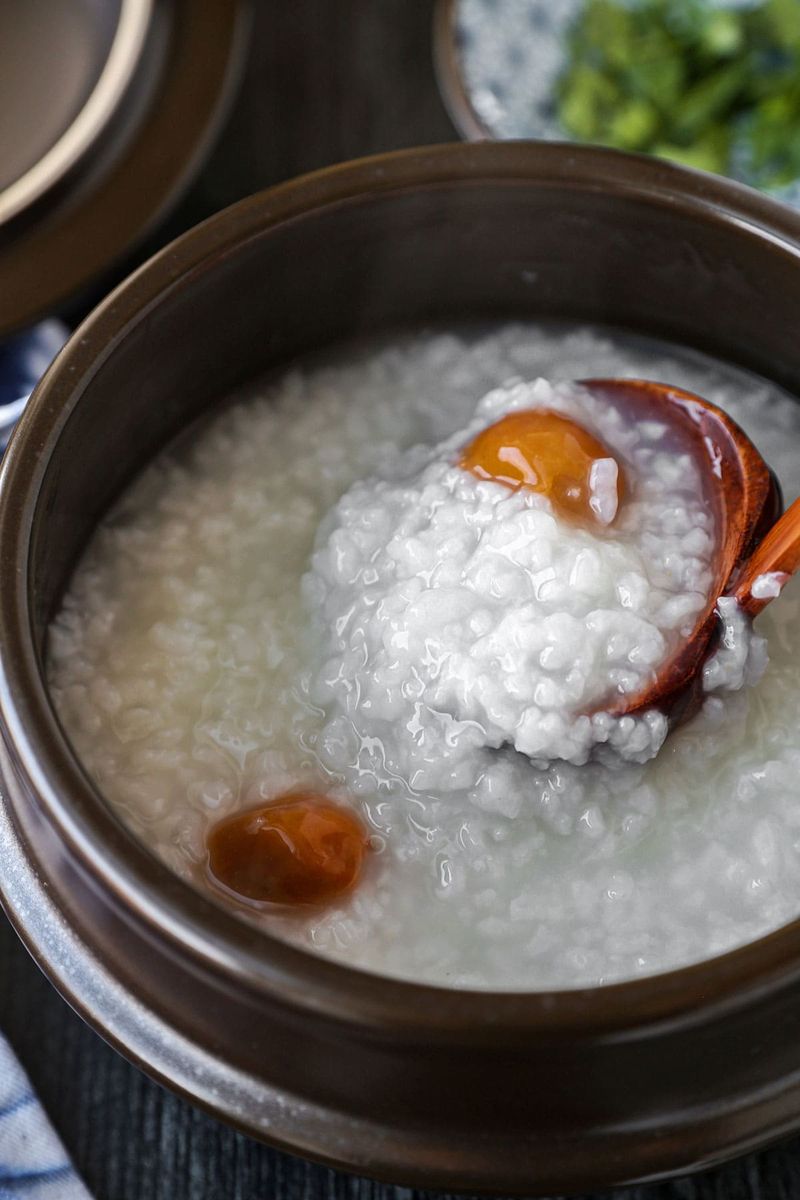
Japan's answer to porridge is kayu, a slow-cooked rice porridge made with far more water than regular rice, resulting in a silky, almost soup-like consistency. It is mild and gentle on the stomach, which is why Japanese parents often serve it to children who are unwell.
Toppings like umeboshi, sesame, or pickled vegetables transform it from plain to quietly exciting. British visitors expecting something like Scottish oatmeal porridge are usually surprised by how different the texture and flavor profile are.
Soft, soothing, and deeply understated.
15. Soy Milk (Tonyu)
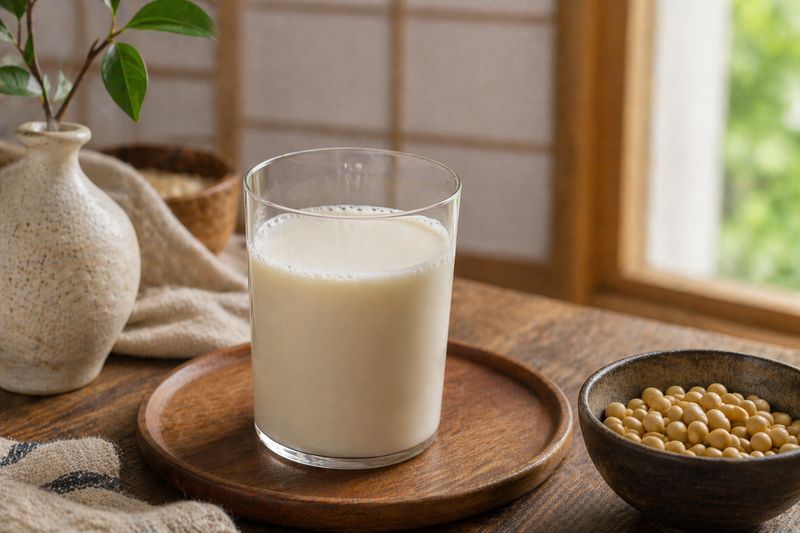
Forget cow's milk in your tea or cereal. In Japan, many people start the morning with a glass of warm tonyu, or soy milk, often enjoyed plain or lightly sweetened.
Japanese-style soy milk tends to be thicker, creamier, and more bean-forward in flavor than the versions commonly sold in British supermarkets.
It is rich in plant-based protein and has been a natural part of Japanese food culture for centuries. Some people enjoy it alongside breakfast, while others treat it as a standalone morning drink.
Either way, it is quietly satisfying and completely unpretentious.
16. Salmon Flakes (Sake Flakes) on Rice
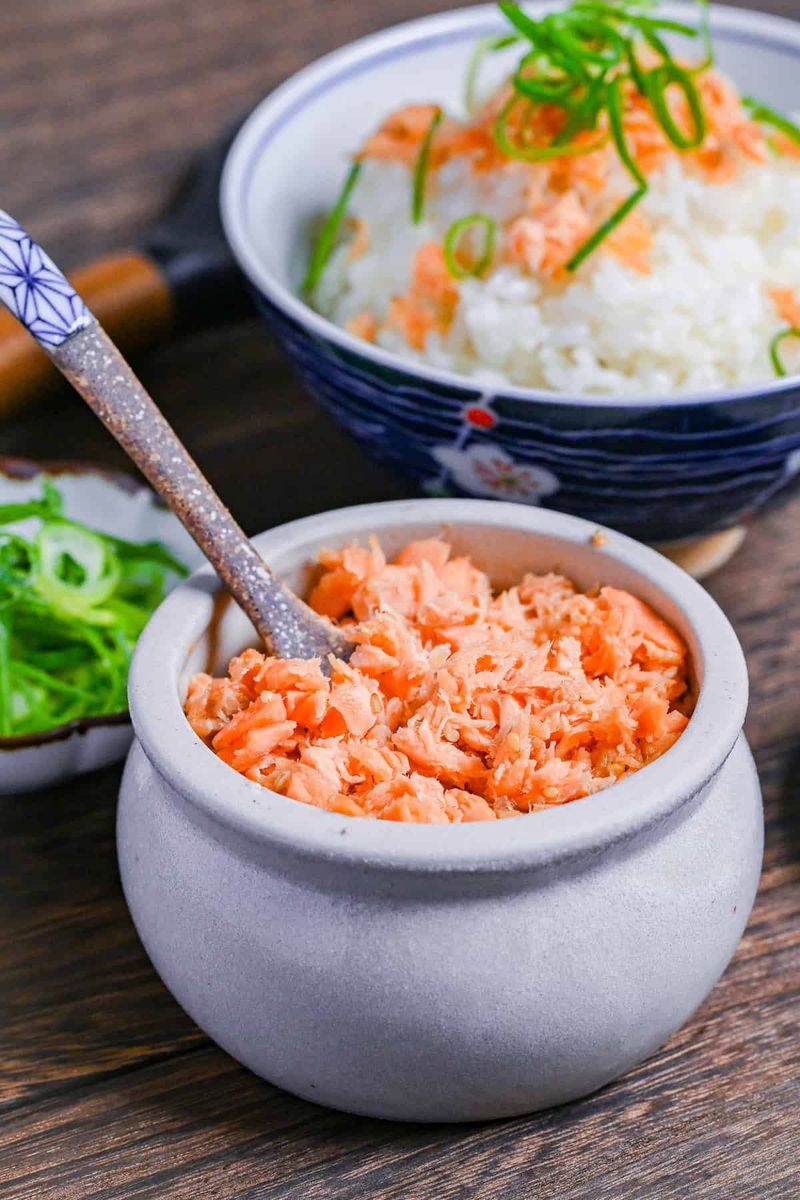
Flaked salmon stirred into or piled on top of steamed rice is a wonderfully satisfying Japanese breakfast that many British visitors find surprisingly appealing once they try it. The salmon is usually salted and either grilled or bought as ready-made flakes, known as sake flakes.
Each bite delivers a salty, savory punch balanced by the neutral softness of the rice. It is quick to prepare and filling enough to carry you through a busy morning.
For British diners who enjoy smoked salmon, this dish feels like a natural and exciting next step.
17. Chawanmushi (Savory Steamed Egg Custard)
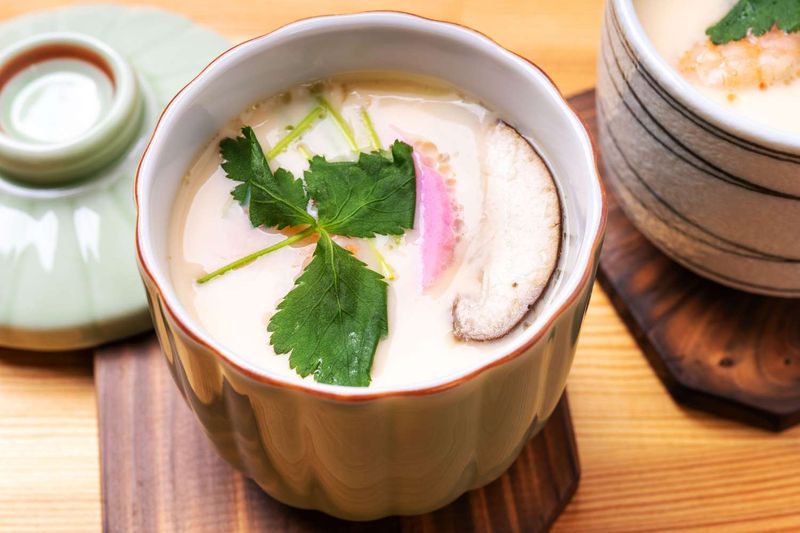
Savory egg custard for breakfast sounds like something from a fine-dining tasting menu, but chawanmushi is actually a traditional Japanese comfort dish enjoyed at home. Made by steaming a delicate mixture of egg and dashi broth in a small lidded cup, it wobbles like jelly and tastes richly savory.
Hidden inside are small treasures: a shrimp, a mushroom, a slice of fish cake. British diners expecting something sweet from a custard are always caught off guard by this dish.
It is elegant, gentle, and completely unlike anything in a typical British breakfast spread.
18. Kenchin Jiru (Root Vegetable Miso Soup)
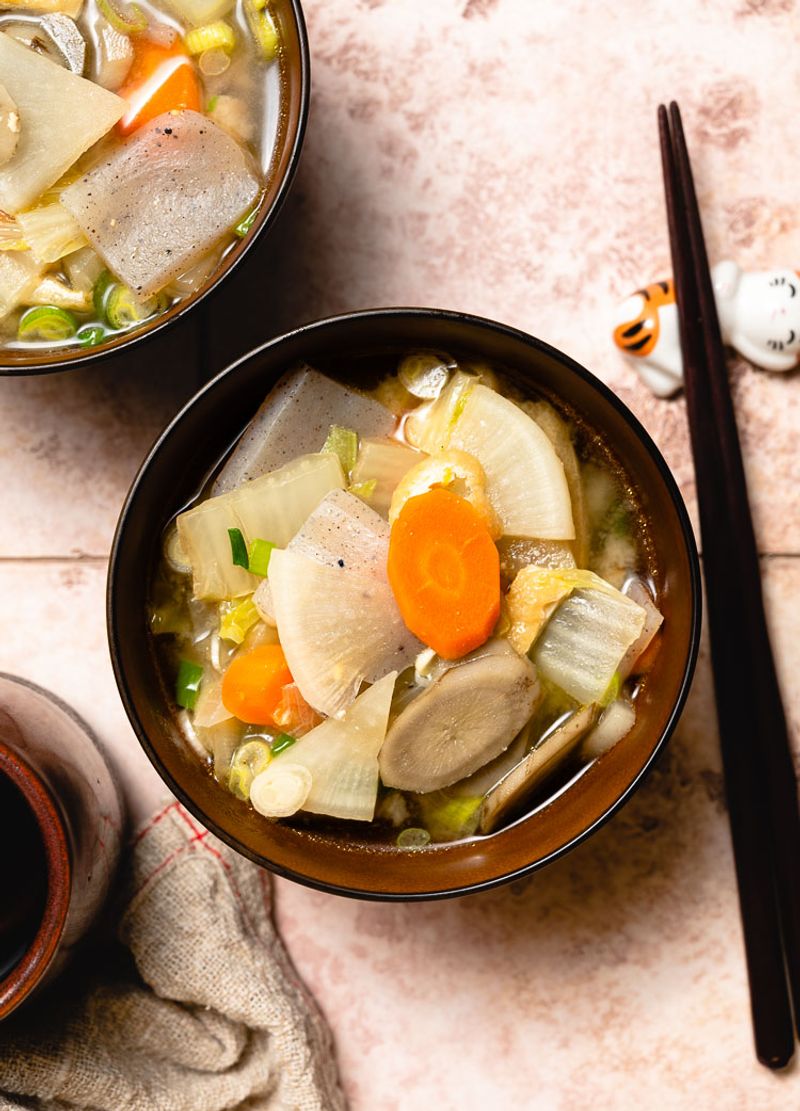
Heartier than regular miso soup, kenchin jiru is a chunky root vegetable soup that turns the Japanese breakfast into a truly filling affair. Daikon radish, carrot, burdock root, tofu, and konnyaku are simmered together in a sesame-seasoned broth that is earthy, warming, and deeply satisfying.
British visitors used to thin morning broths are often surprised by how substantial this soup feels. Originally a Buddhist temple dish, kenchin jiru has been warming Japanese households for hundreds of years.
It is the kind of breakfast that genuinely prepares you for a long, productive day ahead.



Comments
No Comments