













Long before food trends took over social media, family tables were filled with humble, homemade side dishes that have slowly disappeared from everyday meals. These recipes were passed down through generations, made with simple ingredients and a whole lot of love.
Somewhere along the way, convenience foods and trendy dishes pushed these classics aside. Get ready to rediscover some old-fashioned favorites that deserve a serious comeback.
1. Creamed Chipped Beef on Toast
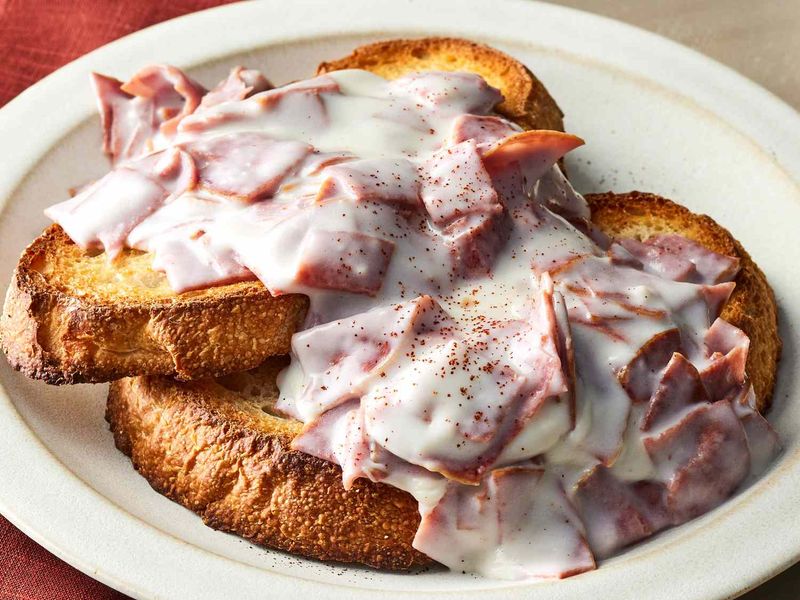
Once a staple of American military mess halls and Depression-era kitchens, creamed chipped beef on toast has a story worth telling. Thin slices of dried, salted beef are folded into a rich, peppery white sauce and spooned over crispy toast.
It sounds simple, and it is, but the flavor is surprisingly satisfying. Soldiers nicknamed it something unprintable, but generations of home cooks served it proudly at breakfast.
Give it a try before writing it off.
2. Pickled Beets
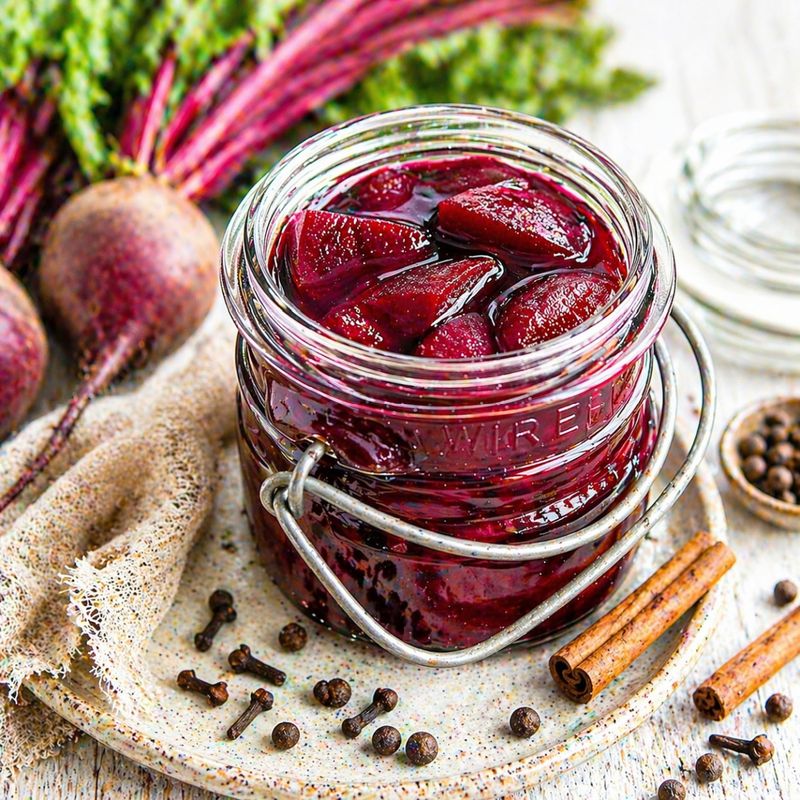
Pickled beets were once a pantry essential, especially in farmhouse kitchens where nothing went to waste. Their sweet, tangy flavor pairs wonderfully with roasted meats and hearty stews, making them a surprisingly versatile side dish.
Most people today have only seen beets roasted or raw in salads, but the pickled version offers a completely different experience. The vibrant purple color alone makes them eye-catching on any plate.
Grandma knew what she was doing.
3. Succotash
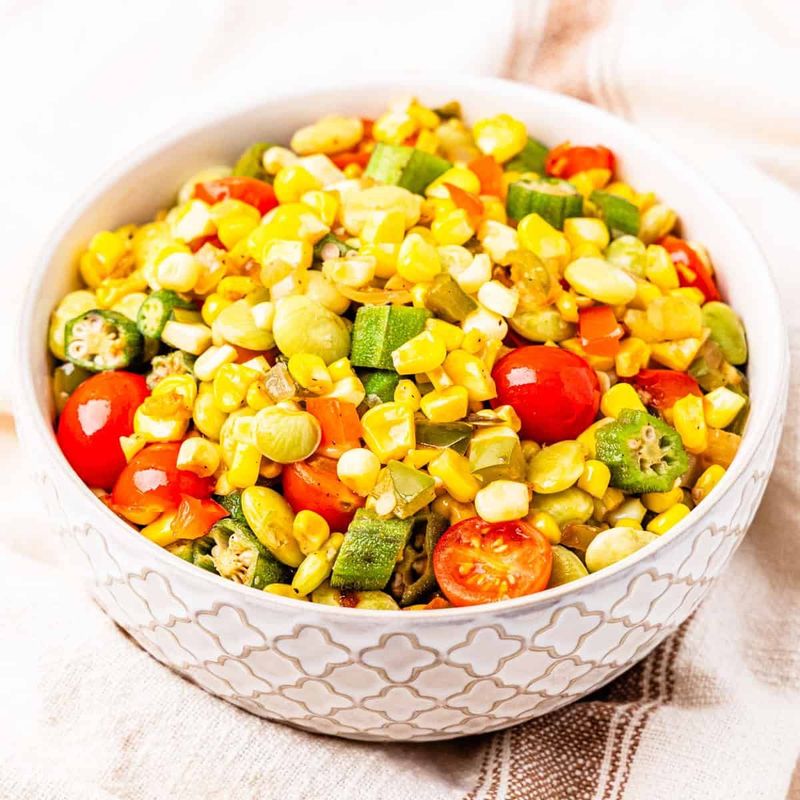
Succotash has Native American roots and was once considered everyday comfort food across much of the United States. At its core, it combines corn and lima beans, though regional versions often toss in tomatoes, peppers, or even bacon for extra flavor.
Somehow, this colorful and nutritious dish faded from weekly dinner rotations. Maybe lima beans got a bad reputation, or maybe people just forgot how good simple ingredients can taste together.
Either way, succotash deserves another chance.
4. Bread and Butter Pickles
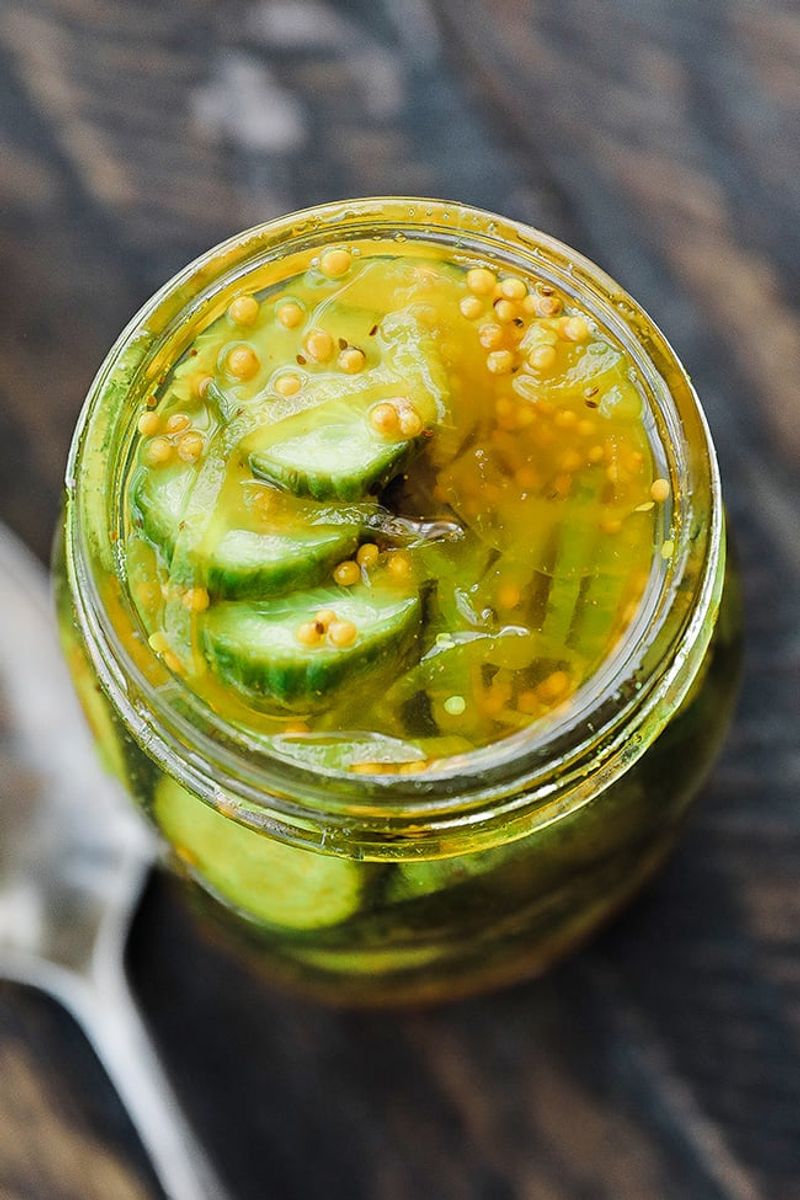
Sweet, tangy, and slightly crunchy, bread and butter pickles were once a homemade staple found in nearly every American kitchen during summer canning season. The name reportedly comes from a Depression-era couple who traded jars of these pickles for bread and butter at their local store.
Store-bought versions exist today, but they rarely match the charm of a homemade batch. Served alongside sandwiches or grilled meats, these pickles add a flavor punch that modern condiments just cannot replicate.
5. Stewed Tomatoes
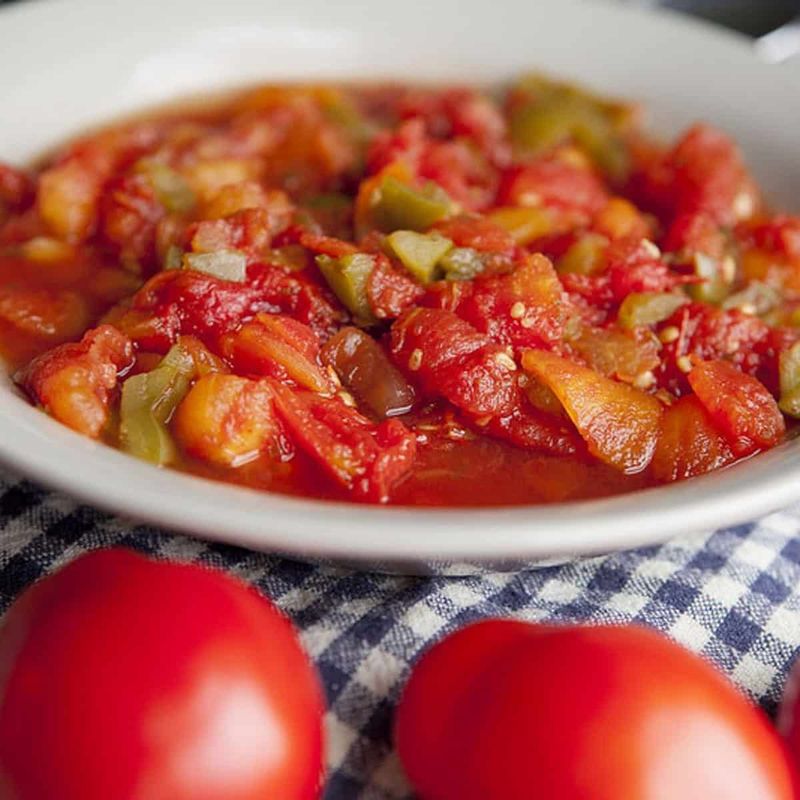
Before fresh tomatoes were available year-round, stewed tomatoes were a way to preserve summer's best harvest and enjoy it all winter long. Slow-cooked with butter, onions, sugar, and herbs, the result is a deeply savory and slightly sweet side dish.
They pair beautifully with cornbread, fried chicken, or pork chops. Many older cookbooks feature stewed tomatoes prominently, yet most younger cooks have never even tried making them.
One spoonful and you will understand why they lasted so long.
6. Harvard Beets
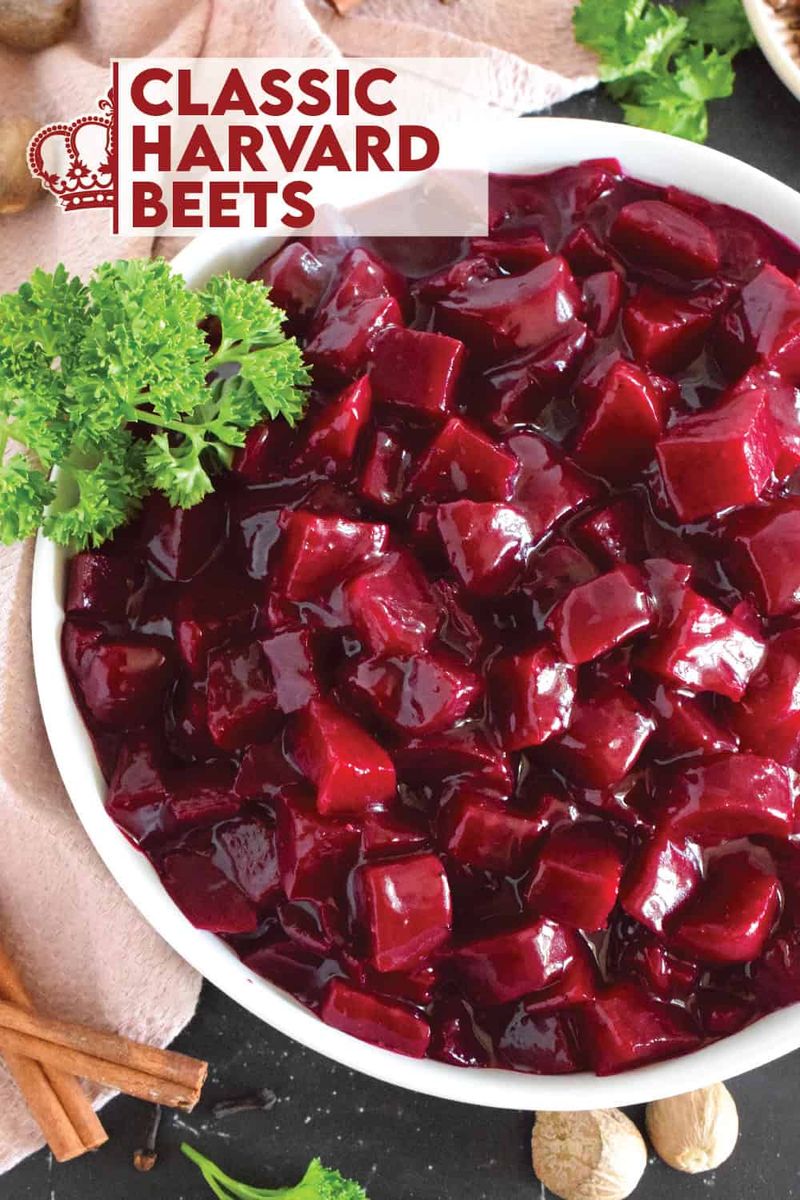
Harvard beets are not named after the university, though the origin story is delightfully murky. Sliced beets are cooked in a glossy, sweet-and-sour sauce made from vinegar, sugar, and cornstarch, giving them a jewel-like appearance that looks almost too pretty to eat.
They were a fixture on holiday tables and church potlucks for decades. Nowadays, most people have never heard of them.
If you enjoy the balance of sweet and tangy flavors, Harvard beets might become your new obsession.
7. Wilted Lettuce Salad
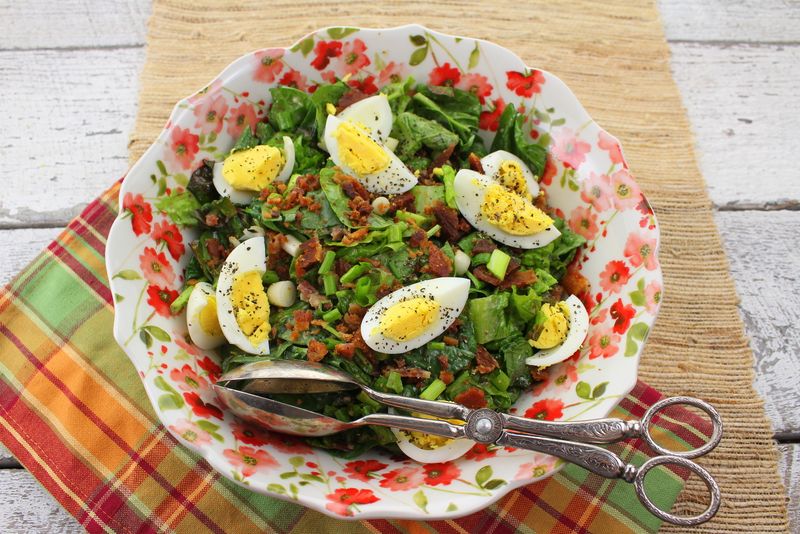
Hot bacon dressing poured over fresh garden lettuce sounds unusual at first, but wilted lettuce salad was once a beloved springtime tradition in many American homes. The warm, tangy dressing softens the lettuce just enough to create a texture that feels completely unique.
It was often made right after pulling fresh lettuce from the garden, making it a true farm-to-table dish long before that phrase was trendy. Simple, quick, and deeply flavorful, this old recipe is begging for a revival.
8. Colcannon
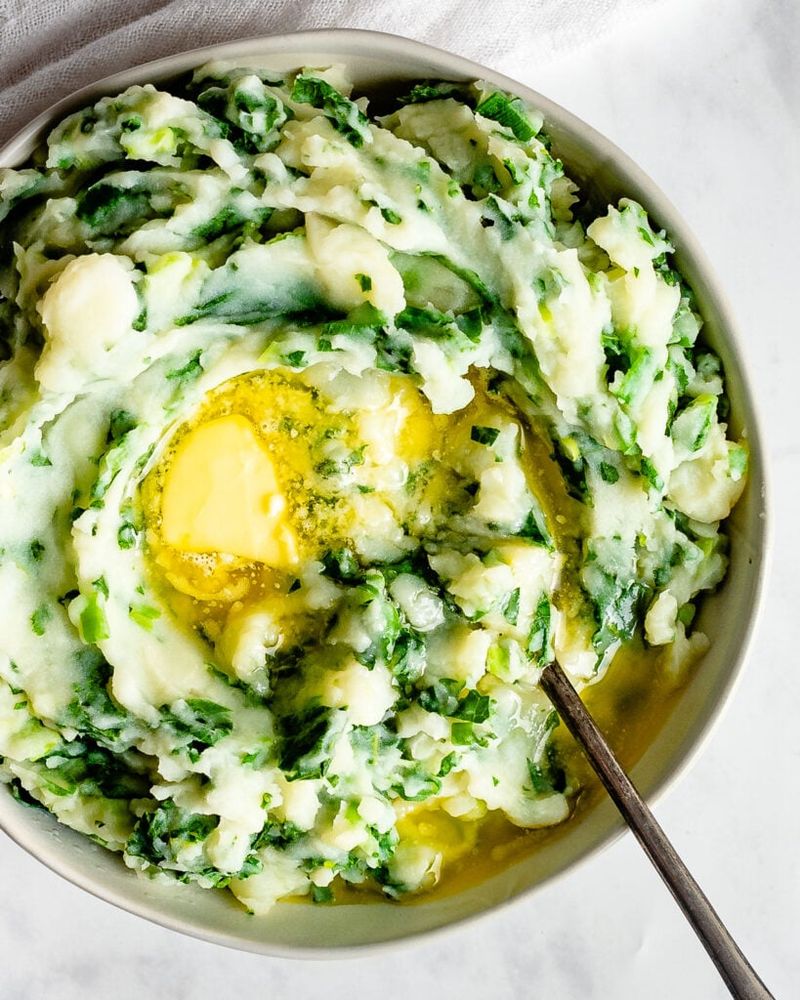
Colcannon is an Irish classic that blends creamy mashed potatoes with cooked kale or cabbage and plenty of butter. It has been warming cold evenings in Ireland for centuries and was traditionally served on Halloween with coins hidden inside for good luck.
Despite its rich history and incredibly comforting flavor, colcannon rarely appears on American dinner tables. It requires minimal ingredients and comes together quickly, making it a practical and delicious choice for any night of the week.
9. Creamed Spinach
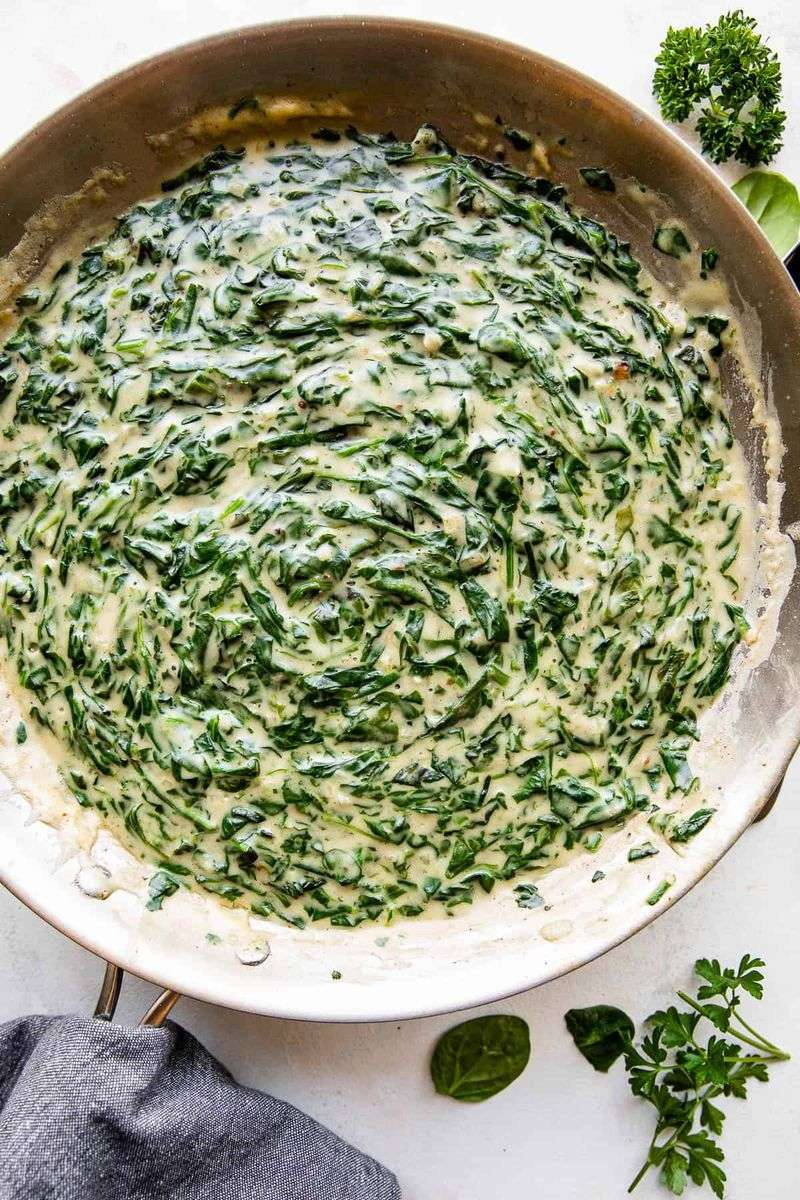
Creamed spinach has an old-school steakhouse reputation, but it actually originated in home kitchens long before fancy restaurants claimed it. Fresh spinach cooked down in a buttery, garlicky cream sauce creates something far more luxurious than a simple vegetable side.
It fell out of fashion as lighter eating habits took hold, but the flavor never stopped being wonderful. Paired with a roast or holiday ham, creamed spinach elevates any meal effortlessly.
A pinch of nutmeg is the secret touch that makes it sing.
10. Scalloped Corn
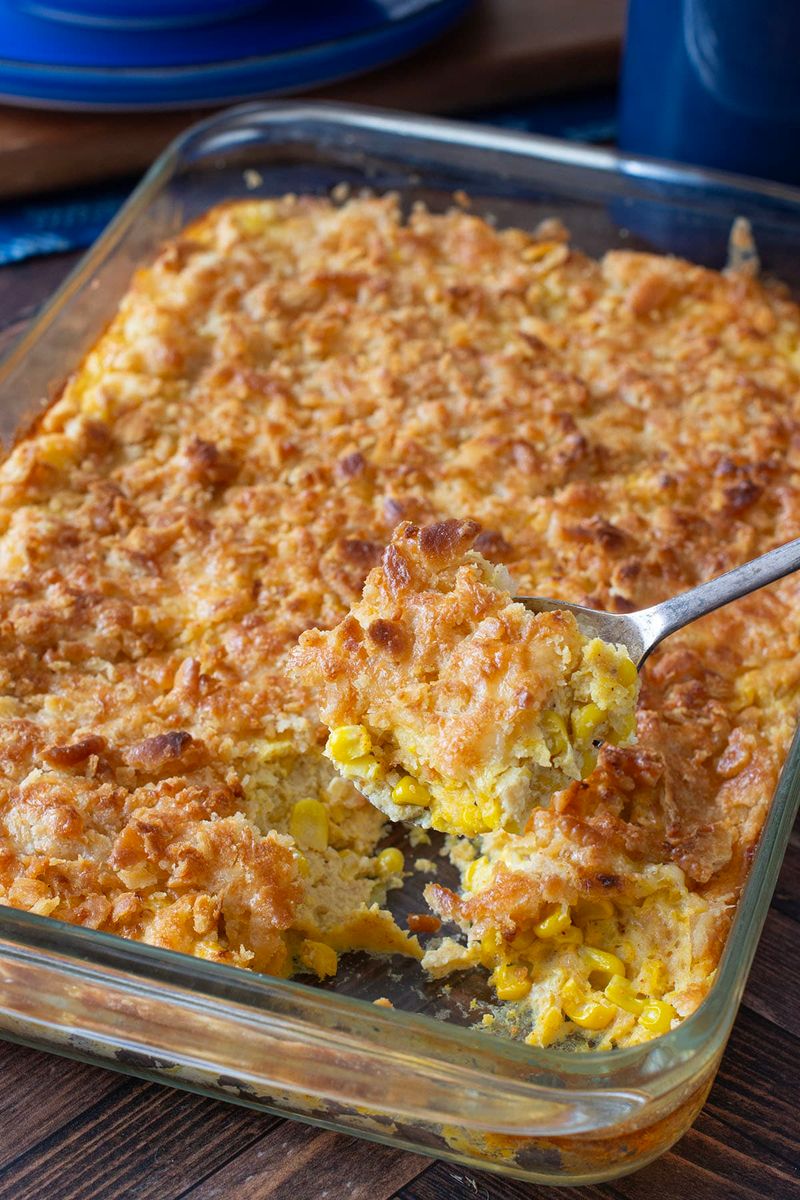
Scalloped corn is the kind of dish that shows up in old community cookbooks and church fundraiser pamphlets, but almost nowhere else these days. It combines creamed corn, eggs, milk, and crushed crackers into a custardy, lightly sweet casserole that is hard to describe but easy to love.
Think of it as somewhere between a corn pudding and a savory souffl. It bakes up beautifully golden on top and creamy underneath.
Once you try it, you will wonder why it ever disappeared from the table.
11. Dandelion Greens with Hot Dressing
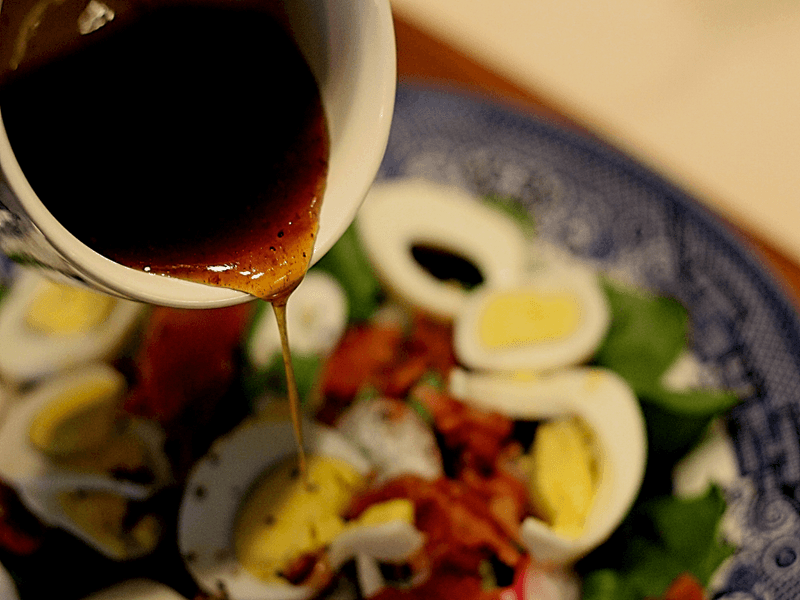
Picking dandelion greens from the yard might sound odd today, but for generations of rural families, it was a free and nutritious spring tradition. Young dandelion leaves have a pleasantly bitter flavor that pairs perfectly with a warm, tangy bacon dressing.
Rich in vitamins and minerals, dandelion greens were valued long before anyone called them a superfood. Farmers and foragers knew their worth.
If you have never tried this dish, early spring is the best time to gather tender leaves and experience a truly old-fashioned flavor.
12. Hoppin John
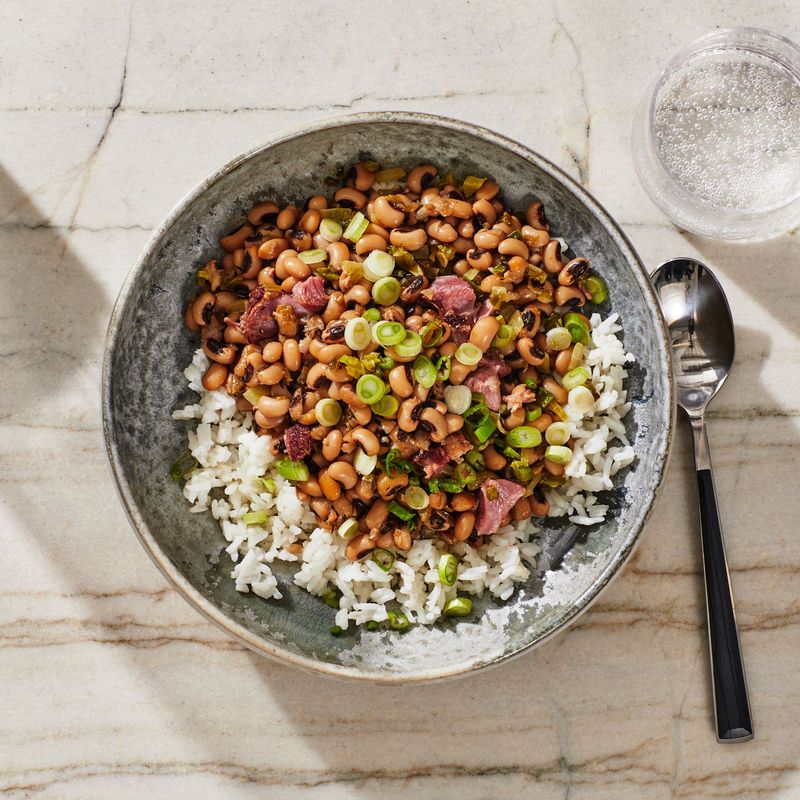
Hoppin John is a Southern classic with roots stretching back to West African culinary traditions brought to America during the era of slavery. Black-eyed peas cooked with smoked pork and served over rice create a hearty, soulful dish full of depth and history.
Eating Hoppin John on New Year's Day is said to bring good luck and prosperity, a tradition still honored in many Southern households. Outside of the South, though, this dish rarely appears.
Its smoky, earthy flavor makes it worth discovering any time of year.
13. Turnip Gratin

Turnips have a reputation problem. Most people dismiss them without ever giving them a real chance, which means turnip gratin remains one of the most overlooked comfort dishes in old-fashioned cooking.
Thinly sliced turnips baked in cream with melted cheese create a dish that rivals even the best potato gratin.
The natural peppery bite of turnip softens beautifully in the oven, becoming tender and almost sweet. If potatoes au gratin is a favorite, swapping in turnips offers a surprisingly elegant and budget-friendly twist.
14. Fried Apples
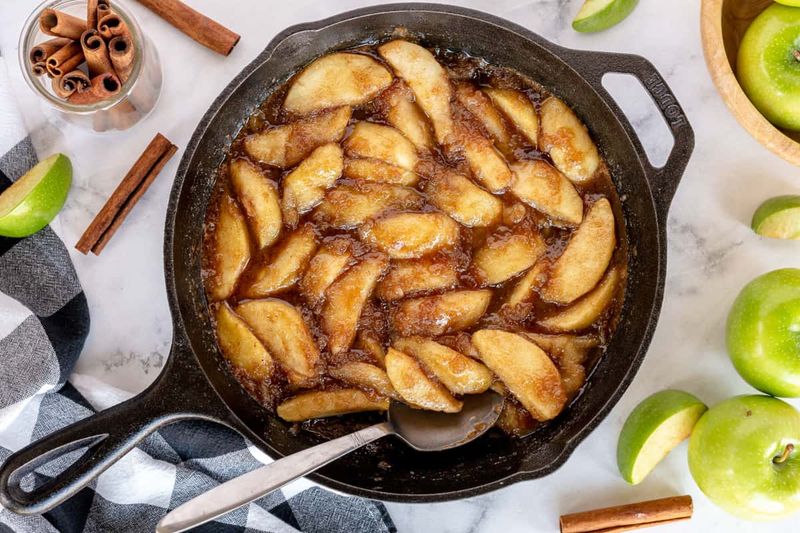
Fried apples from a cast iron skillet smell like everything good about autumn. Sliced apples cooked slowly in butter with brown sugar, cinnamon, and a pinch of nutmeg become tender, caramelized, and deeply fragrant in just minutes.
They were traditionally served alongside pork chops or as a breakfast side with biscuits, but honestly, they work at any meal. Cracker Barrel made them famous again for a while, but homemade versions are far superior.
A bag of apples and ten minutes is all you need.
15. Red Flannel Hash
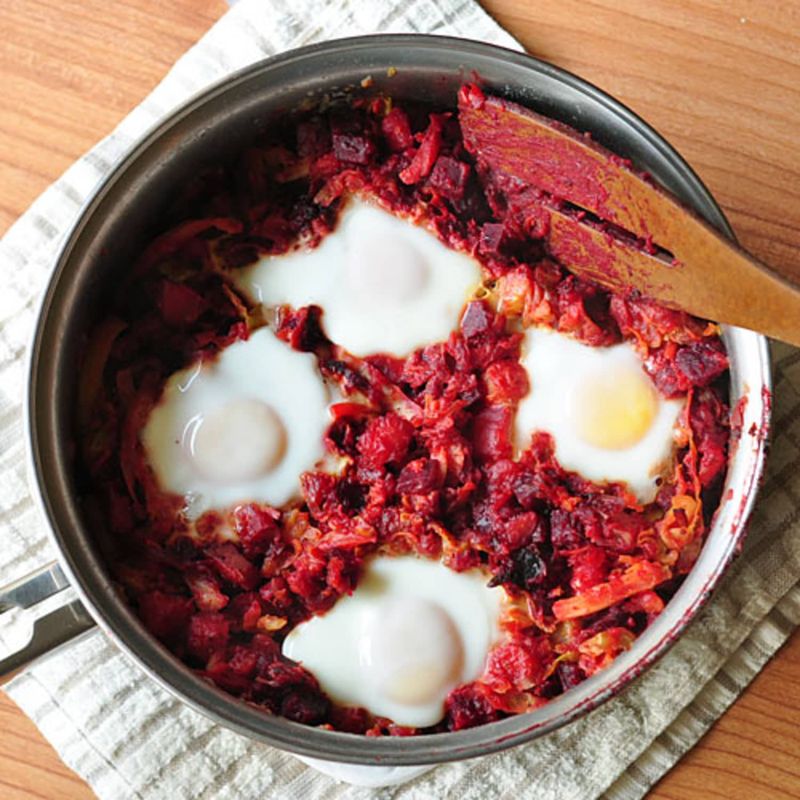
Red flannel hash gets its vivid color and quirky name from the beets mixed into a classic corned beef and potato hash. It originated in New England as a creative way to use up leftovers from a boiled dinner, turning yesterday's meal into something entirely new and exciting.
The beets add a subtle sweetness that balances the salty corned beef beautifully. Topped with a fried egg, it becomes a complete and satisfying meal.
Few dishes capture the spirit of old-fashioned resourcefulness quite as colorfully as this one.
16. Braised Red Cabbage
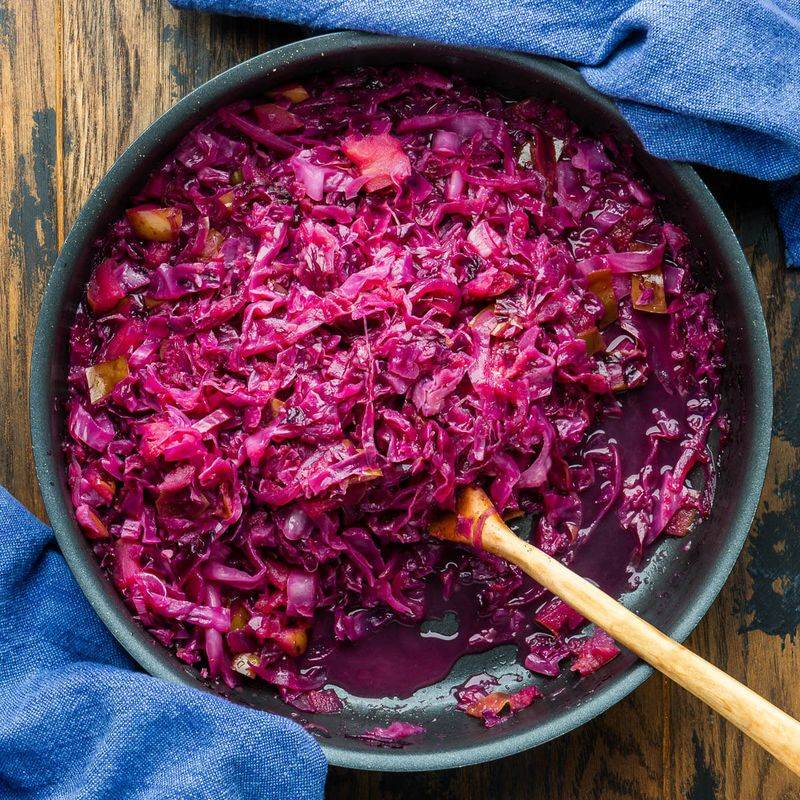
Braised red cabbage is a staple of German and Eastern European cooking that somehow never fully crossed over into mainstream American cooking. Slow-cooked with apples, vinegar, sugar, and spices, the cabbage transforms into something sweet, tangy, and deeply satisfying.
It pairs brilliantly with roasted pork, duck, or sausages and actually tastes better the next day after the flavors meld together overnight. The beautiful deep purple color makes it one of the most visually striking side dishes you can place on a holiday table.
17. Pease Pudding
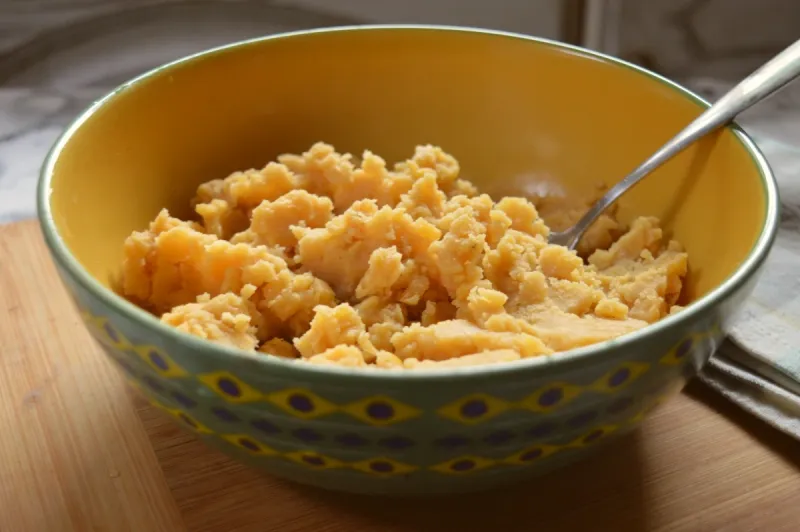
Pease pudding is one of Britain's oldest recorded dishes, mentioned in nursery rhymes and medieval cookbooks alike. Made from boiled split peas that are mashed and seasoned into a thick, smooth paste, it was once a staple food for working-class families across England.
Served alongside boiled ham or spread thickly on bread, pease pudding is filling, affordable, and packed with protein. It has nearly vanished from modern menus, but its humble, earthy flavor carries centuries of history in every bite.
Old recipes rarely get more honest than this.
18. Corn Oysters

Despite the name, corn oysters contain absolutely no seafood. These little fritters earned their name because their oval shape and golden crust resemble fried oysters when plated.
Made from grated fresh corn, eggs, and flour, they were a popular harvest-season treat in 19th-century American kitchens.
Crispy on the outside and sweet and custardy inside, corn oysters were often served as a side dish with roasted meats or enjoyed on their own with a dollop of sour cream. They are simple, charming, and completely forgotten by most modern cooks.


Comments
No Comments