













Feeling tired or sluggish during the day might have more to do with your diet than you think. Iron is a key mineral your body needs to make red blood cells, which carry oxygen to your muscles and organs.
Without enough iron, energy levels can drop fast. Adding the right foods to your meals is one of the simplest ways to keep your body fueled and feeling great.
1. Spinach
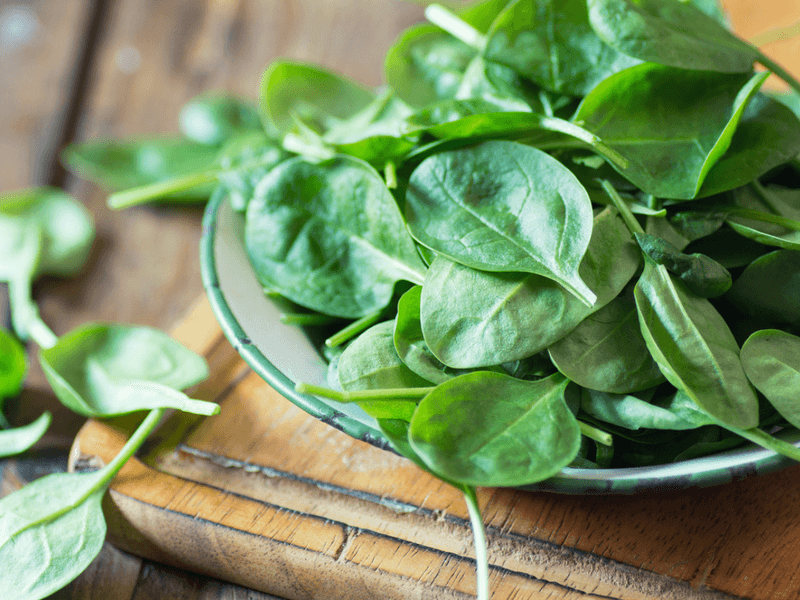
Popeye was onto something when he kept reaching for that can of spinach. This leafy green is packed with non-heme iron, which means it comes from a plant source.
Pairing it with a squeeze of lemon juice helps your body absorb that iron even better.
Toss spinach into smoothies, salads, or scrambled eggs for an easy nutrient boost. Just one cup of cooked spinach delivers around 6 mg of iron, making it a powerhouse addition to any meal.
2. Lentils
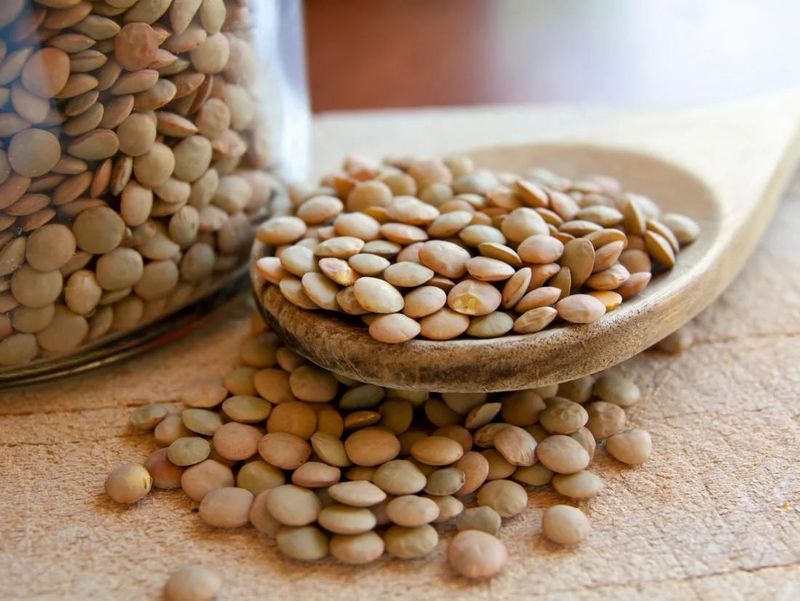
Lentils have been feeding people for thousands of years, and there is a very good reason why. A single cooked cup contains roughly 6.6 mg of iron, which is a serious amount for a plant-based food.
They are also loaded with fiber and protein, making them a well-rounded choice for lunch or dinner.
Red, green, or brown lentils all work wonderfully in soups, stews, and curries. Budget-friendly and easy to cook, lentils are one of the smartest swaps you can make for better energy.
3. Red Meat
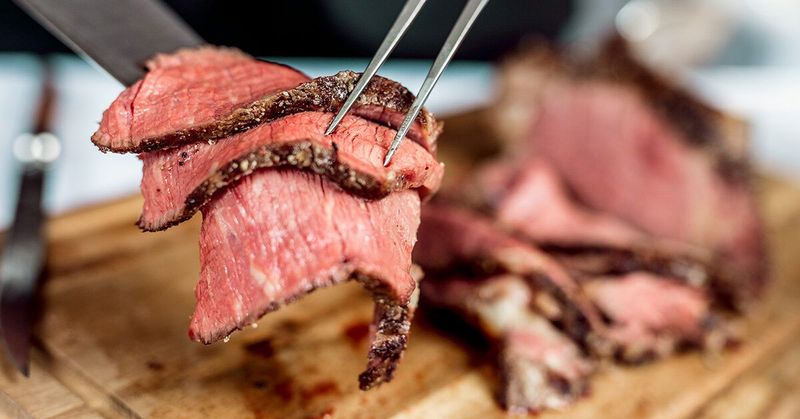
When it comes to iron, red meat is one of the most efficient sources available. It contains heme iron, the form your body absorbs most easily compared to plant-based alternatives.
A 3-ounce serving of lean beef can provide up to 3 mg of iron along with plenty of protein and zinc.
Choosing lean cuts like sirloin or ground beef keeps the meal nutritious without excess saturated fat. Enjoyed in moderation, red meat can be a reliable tool for fighting fatigue and keeping energy steady.
4. Pumpkin Seeds
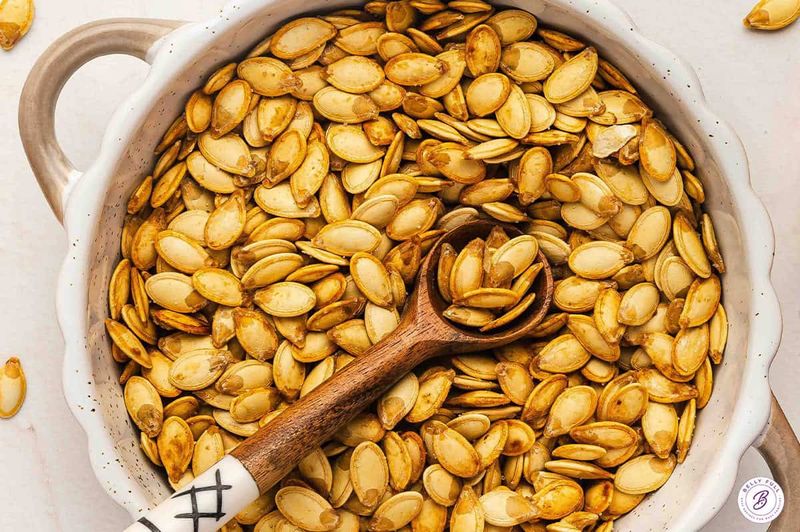
Tiny but mighty, pumpkin seeds are one of the most underrated snacks for boosting iron intake. A one-ounce serving delivers about 2.5 mg of iron, plus magnesium and healthy fats that support overall wellness.
They make a satisfying crunch that works perfectly as a snack or salad topper.
Roasting them with a pinch of sea salt brings out a rich, nutty flavor that is hard to resist. Keep a small bag handy for those mid-afternoon energy slumps when you need a quick pick-me-up.
5. Tofu
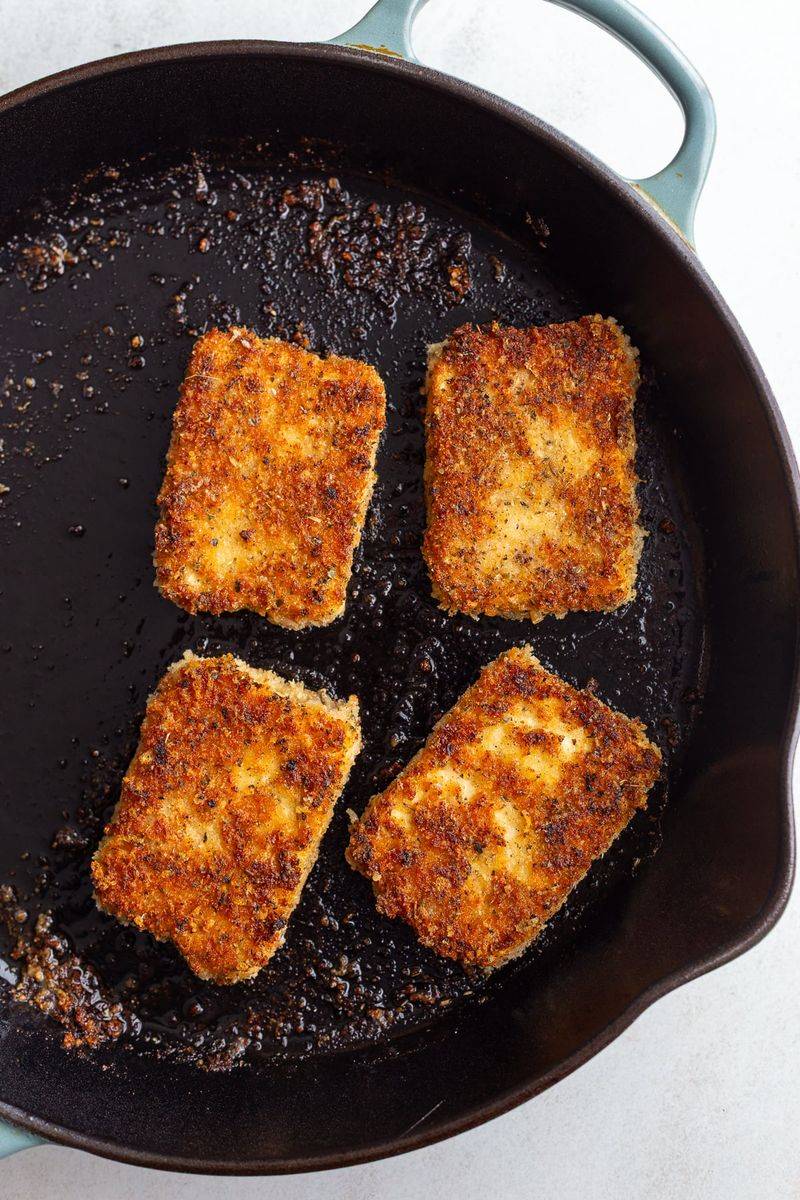
Tofu might not be the flashiest food on the shelf, but its iron content is genuinely impressive. Half a cup of firm tofu contains around 3 mg of iron, making it a fantastic option for vegetarians and vegans.
It also absorbs flavors beautifully, so it fits into almost any cuisine style.
Try marinating it in soy sauce, garlic, and ginger before pan-frying for a satisfying, protein-rich meal. Pairing tofu with vitamin C-rich veggies like bell peppers helps your body soak up even more of that iron.
6. Dark Chocolate
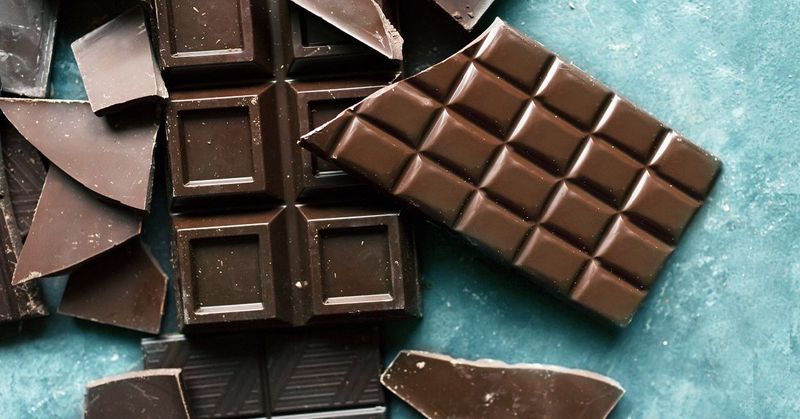
Good news for chocolate lovers everywhere: dark chocolate is actually a respectable source of iron. A 1-ounce serving of 70% dark chocolate packs about 3.4 mg of iron along with antioxidants that benefit heart health.
The higher the cocoa percentage, the more nutritional value you get per bite.
Enjoy it as an after-dinner treat or melt it into oatmeal for a morning boost. Moderation is key since dark chocolate also contains sugar and calories, but as treats go, this one pulls serious nutritional weight.
7. Chickpeas
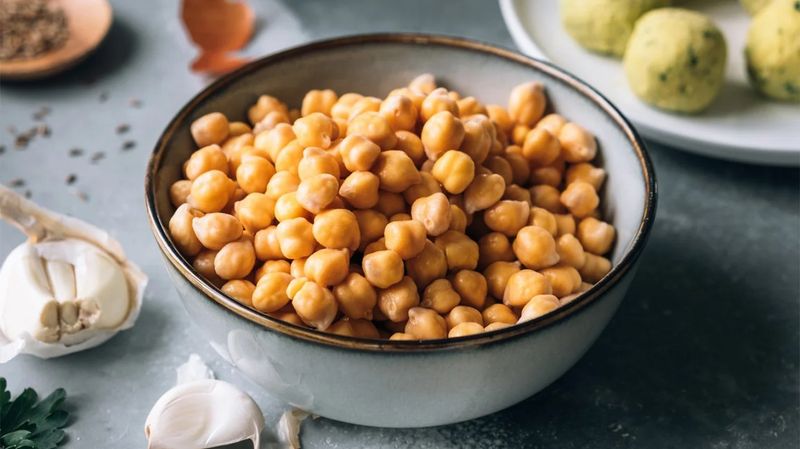
Chickpeas are the kind of food that quietly does a lot of heavy lifting in your diet. One cup of cooked chickpeas provides around 4.7 mg of iron, plus a solid dose of fiber and plant-based protein.
They have been a staple in Mediterranean and Middle Eastern cooking for centuries for good reason.
Roast them with paprika and olive oil for a crunchy snack, or blend them into hummus for a creamy dip. Either way, chickpeas are a delicious and practical way to work more iron into your daily routine.
8. Oysters
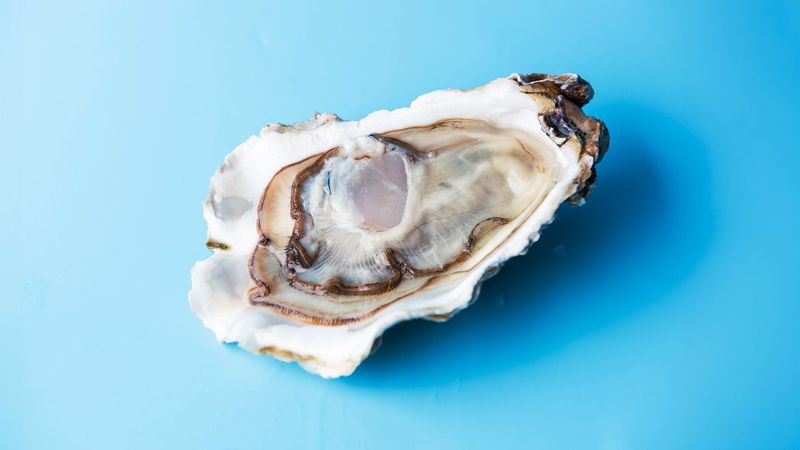
Few foods on earth match oysters when it comes to iron density. A single 3-ounce serving of cooked oysters can deliver a jaw-dropping 8 mg of iron, well above what most other foods offer per serving.
They also provide zinc and vitamin B12, both of which support energy metabolism and immune function.
Grilled, steamed, or served raw with a splash of hot sauce, oysters are a gourmet way to fight fatigue. If shellfish is not a regular part of your diet, even occasional servings can make a meaningful difference.
9. Fortified Breakfast Cereals
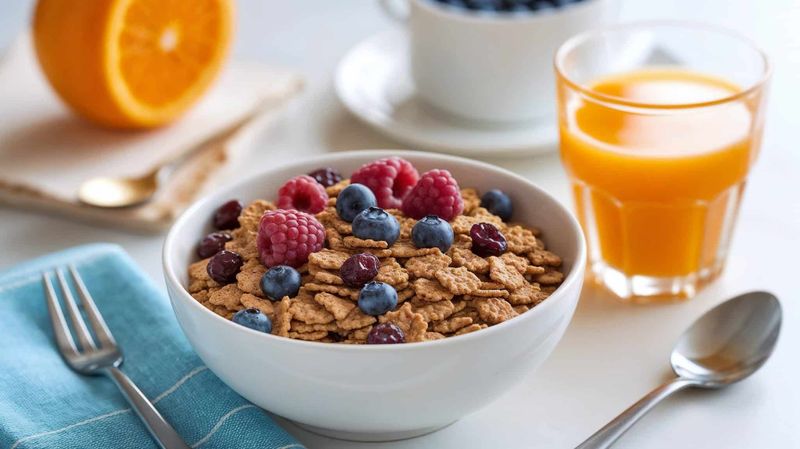
Starting your morning with the right cereal can actually set your iron intake off to a strong start. Many fortified breakfast cereals contain 100% of the daily recommended iron in just one serving, making them one of the most concentrated sources available.
Always check the nutrition label since iron content varies widely between brands.
Pairing your cereal with orange juice is a smart move because the vitamin C dramatically increases iron absorption. It is a simple, no-cook way to make sure your body gets what it needs before the day even begins.
10. Quinoa
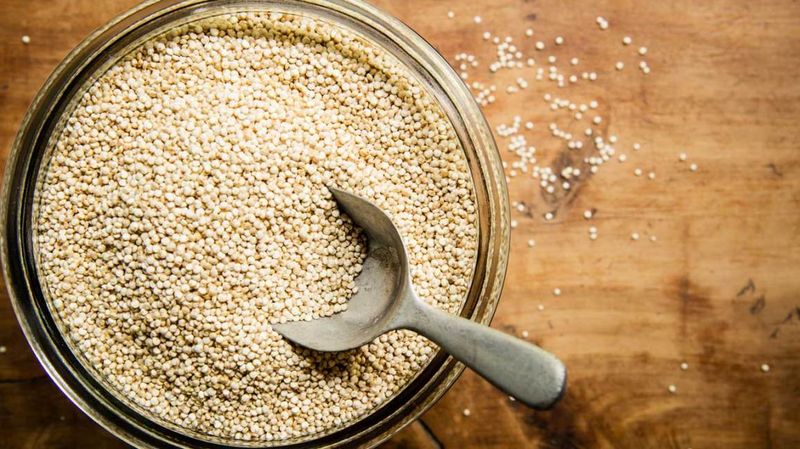
Quinoa is technically a seed, but it cooks and tastes just like a grain, and its nutritional resume is seriously impressive. One cooked cup contains about 2.8 mg of iron along with all nine essential amino acids, making it one of the few plant foods considered a complete protein.
That combination helps the body maintain steady energy throughout the day.
Swap out rice or pasta for quinoa in your favorite recipes to quietly upgrade your iron intake. It has a mild, slightly nutty flavor that works in both savory bowls and sweet breakfast porridges.
11. White Beans
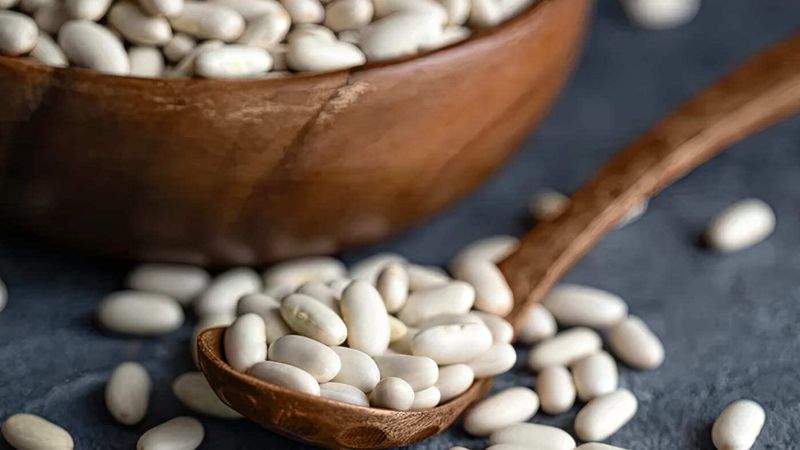
White beans are one of the most iron-dense plant foods you can find at any grocery store. One cup of cooked white beans packs an incredible 8 mg of iron, which rivals many meat-based sources.
They are also rich in potassium and magnesium, nutrients that support muscle function and reduce tiredness.
Stir them into soups, mash them onto toast, or toss them into a pasta dish for a hearty, satisfying meal. Their creamy texture and mild flavor make them one of the most versatile legumes in the kitchen.
12. Chicken Liver
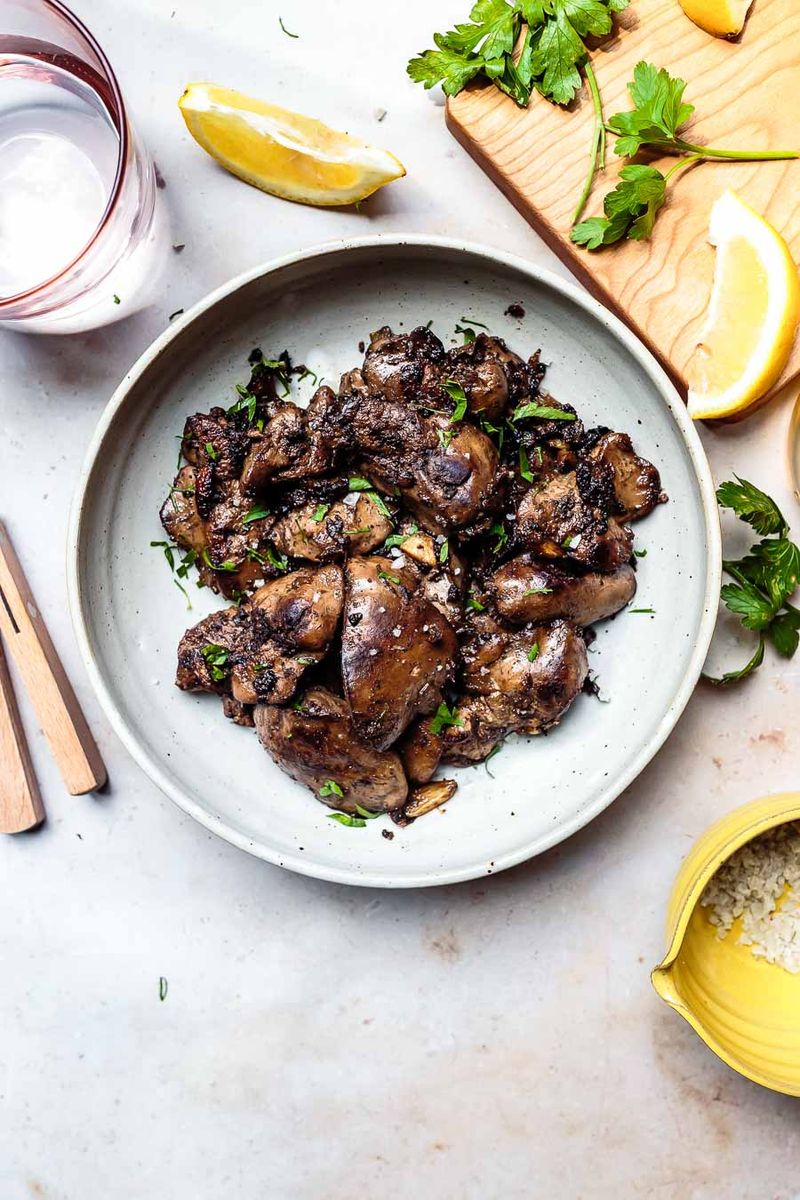
Chicken liver might not be the trendiest food at the dinner table, but nutritionally it is almost impossible to beat. A 3-ounce serving contains about 11 mg of iron along with massive amounts of vitamin A, B12, and folate.
Organ meats like liver were a dietary staple for generations, and modern nutrition science confirms their incredible value.
Pan-searing chicken liver with onions and a splash of balsamic vinegar turns it into a genuinely tasty meal. Even eating it once or twice a month can make a noticeable difference in your energy and iron levels.
13. Edamame
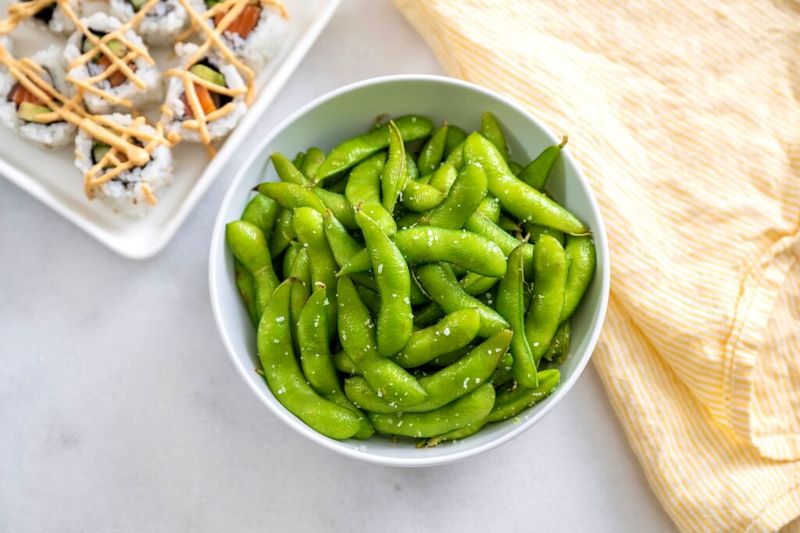
Edamame, those bright green soybeans often served at Japanese restaurants, are a surprisingly strong source of iron. One cup of cooked edamame delivers around 3.5 mg of iron plus a generous helping of plant-based protein and fiber.
They are also rich in folate, which works alongside iron to support healthy red blood cell production.
Steam them from frozen and season with sea salt for a quick, satisfying snack in under five minutes. They are one of those rare foods that feel indulgent but are genuinely doing your body a big favor.
14. Dried Apricots
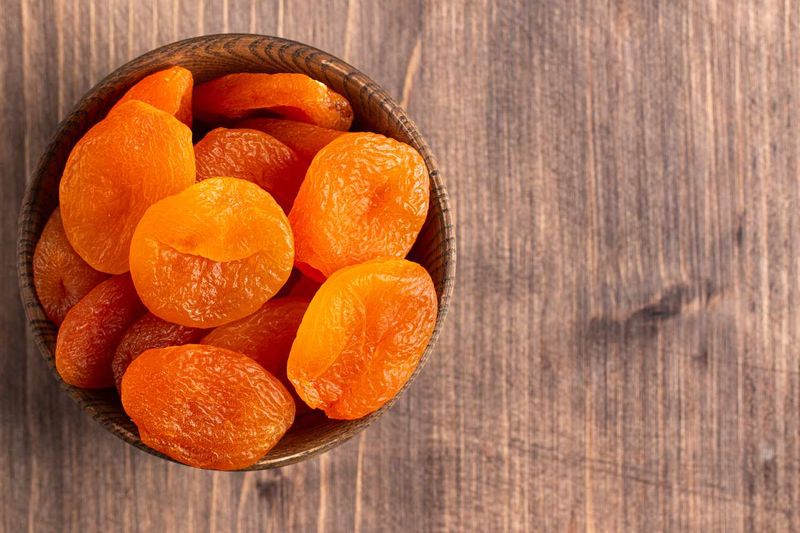
Dried apricots are a naturally sweet snack that quietly packs a solid iron punch. Half a cup of dried apricots contains around 2 mg of iron along with beta-carotene, potassium, and dietary fiber.
Because they are dried, you get a concentrated source of nutrients in a small, portable package that travels well.
Toss a handful into trail mix, oatmeal, or yogurt for a fruity boost that also satisfies a sweet tooth. Pair them with a vitamin C-rich food like a small orange to help your body make the most of that iron.
15. Sardines
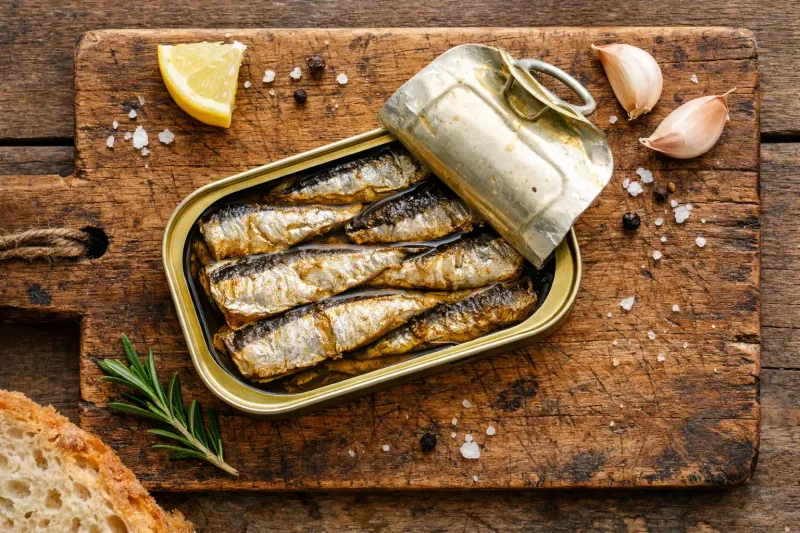
Sardines are one of those old-school pantry staples that deserve a serious comeback. A 3-ounce serving of canned sardines provides about 2.5 mg of heme iron alongside omega-3 fatty acids, calcium, and vitamin D.
Because they are small fish, sardines also tend to be lower in mercury than larger seafood options.
Pile them onto whole grain crackers or toast with a squeeze of lemon for a quick, nutrient-packed lunch. They are affordable, shelf-stable, and ready to eat straight from the can with zero cooking required.
16. Blackstrap Molasses
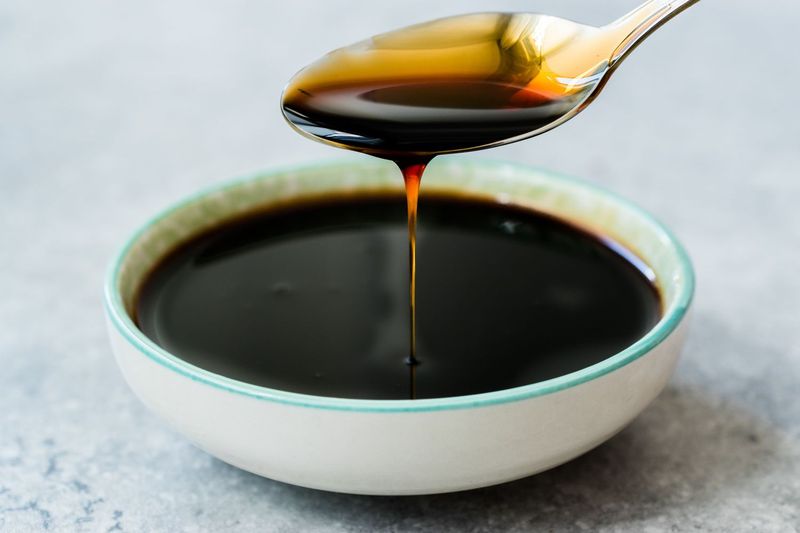
Blackstrap molasses is what remains after sugar cane has been processed, and it holds onto all the minerals the refined sugar leaves behind. Just one tablespoon contains roughly 3.5 mg of iron along with calcium, magnesium, and potassium.
It is essentially a nutritional treasure hiding in a jar that most people walk right past at the grocery store.
Stir it into warm oatmeal, smoothies, or homemade baked goods for a deep, rich sweetness with real nutritional value. A little goes a long way, both in flavor and in the iron it delivers.


Comments
No Comments